Protecting a raised bed means choosing the right barrier for the problem at hand. Fine mesh helps block insects and birds, while frost cloth, shade fabric, and waterproof covers handle different weather challenges.
We compared 10 raised bed covers and supporting systems based on coverage, material, ease of use, ventilation, and seasonal versatility so you can choose dependable protection for your garden.
Best 10 Raised Bed Covers Picks for 2026
Fine-Mesh Protection

- Two 10 x 6.5-foot polyethylene sheets
- Blocks birds and small animals
- Lets light and water pass through
Best For: Flexible pest protection for raised beds and garden hoops
All-Weather Defense
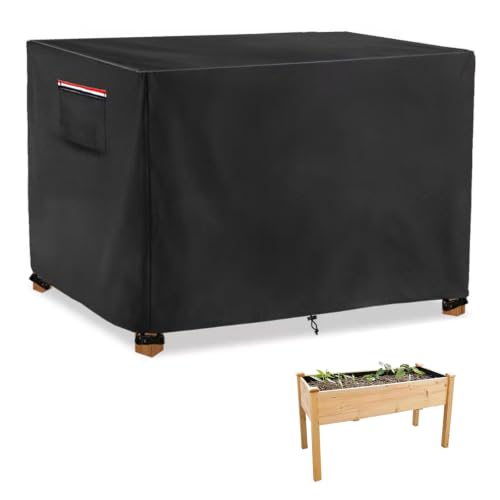
- Waterproof 600D Oxford fabric
- Buckles and drawstring help resist wind
- Sized for 48 x 24 x 30-inch beds
Best For: Winter and weather protection for elevated wood planters
Season Extension
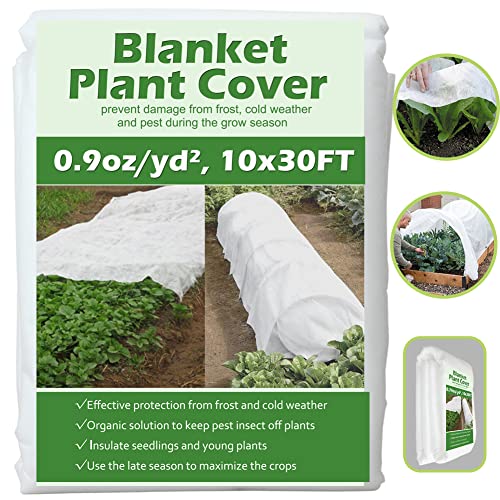
- Large 10 x 30-foot coverage
- Breathable fabric helps protect from frost
- Can be cut or used over hoops
Best For: Frost protection and earlier or longer growing seasons
Ultra-Fine Barrier

- Two 10 x 33-foot netting sheets
- 0.04-inch mesh helps block insects
- Light, air, and rain pass through
Best For: Large beds and rows needing broad insect and pest protection
Pop-Up Mesh Protection

- Breathable mesh helps deter insects, birds, and small animals.
- Pop-up setup includes stakes and a zippered inspection window.
- Folds down for storage and includes a carry bag.
Best For: Smaller raised beds and seedlings needing reusable pest protection
Cold-Weather Coverage
2-Pack Frost Cloth for 8 x 4-Foot Beds

- 50 GSM nonwoven fabric helps protect against light frost.
- Breathable material passes air, light, and moisture.
- Drawstring secures the hood around the raised bed.
Best For: 8-by-4-foot beds and cool-weather plant protection
Custom Tunnel Support
Fiberglass Hoops for Raised Bed Covers

- 36 fiberglass pieces create a customizable tunnel frame.
- Includes connectors and clips for securing separate covers.
- Works with netting, frost cloth, row covers, and shade cloth.
Best For: DIY gardeners building adaptable raised-bed protection tunnels
Best Winter Frost Blanket
Insulated Raised Bed Plant Cover

- Reflective aluminum lining helps retain warmth
- Drawstring closure secures the cover around the bed
- Protects against frost, snow, wind, hail, and animals
Best For: Cold-weather protection for standard 4 x 2 x 1-foot raised beds
Best DIY Hoop Frame
Flexible Fiberglass Raised Bed Hoops

- Includes 36 hoops, connectors, and 24 clips
- Rust-free fiberglass supports outdoor use
- No netting or cover is included
Best For: Custom tunnels using separately purchased row-cover fabric or netting
Best Mesh Pop-Up Cover
30% Shade Raised Bed Plant Protector

- Mesh admits air and water while blocking pests
- Provides 30% shade for gentler growing conditions
- Includes stakes and a zippered roll-up window
Best For: Small rectangular beds needing insect protection and moderate shade
Fine-Mesh Protection – Adjustable Garden Netting
This two-pack of polyethylene garden netting is a flexible option for raised bed covers when your main concern is birds and small animals. Each 10 x 6.5-foot sheet lets water and light through, and the material can be cut to fit different beds or garden hoops. Support poles are not included.
Best For: Gardeners needing reusable, see-through netting for vegetables, fruits, flowers, and raised beds.
Pros:
- Includes two 10 x 6.5-foot netting sheets.
- Fine mesh helps keep birds and small animals away.
- Allows light and water through for continued plant growth.
- Can be cut to size and reused when properly stored.
Cons:
- Support poles or hoops are not included.
- It may require separate stakes, clips, or other fasteners.
This is a practical raised bed cover for pest exclusion rather than a heavy-duty weather shelter. Its adjustable size and transparent mesh make it convenient for monitoring plants without removing the cover.
All-Weather Defense – Heavy-Duty Raised Bed Cover
This heavy-duty cover is designed for raised beds that need protection from rain, snow, sunlight, and wind. Made from waterproof 600D Oxford fabric, it fits beds measuring 48 x 24 x 30 inches and includes buckles, a drawstring, handles, and side vents. It is a cover only, so the raised bed is not included.
Best For: Protecting a properly sized elevated wood planter or raised bed during winter and other harsh weather.
Pros:
- Waterproof 600D Oxford fabric helps shield beds from rain and snow.
- Anti-UV material can help extend the service life of a wood planter.
- Drawstring and four buckles help secure the cover in windy conditions.
- Two side vents support air circulation and reduce condensation concerns.
Cons:
- Only fits beds measuring 48 x 24 x 30 inches.
- Protects the planter structure but is not described as a breathable plant cover.
For shoppers comparing raised bed covers for seasonal storage or winter protection, this is the most weather-focused option in the group. Measure carefully before ordering to ensure the cover fits your planter.
Season Extension – Floating Frost Row Cover
This 10 x 30-foot floating row cover provides a lightweight way to protect plants from frost, cold weather, and sun while extending the growing season. The breathable polypropylene fabric can be cut into smaller pieces or used over hoops, with soil, stones, or staples securing the edges.
Best For: Covering large planting areas, protecting tender plants from frost, and supporting earlier spring growth.
Pros:
- Large 10 x 30-foot sheet covers broad areas.
- Lightweight, breathable fabric allows sunlight to reach plants.
- Can be cut for different plants and bed sizes.
- Works directly over plants or with supporting hoops.
Cons:
- Edges require separate soil, stones, or staples for anchoring.
- Hoops are not included for creating extra growing space.
Among these raised bed covers, this fabric is best suited to frost protection and season extension rather than animal exclusion or planter storage. Its generous size gives you flexibility for beds, shrubs, and individual crops.
Ultra-Fine Barrier – Large Insect Netting
This two-piece set of ultra-fine polyethylene netting offers expansive coverage for raised beds and rows. Each sheet measures 10 x 33 feet, with a 0.04-inch mesh designed to help block insects, birds, and small animals while allowing air, rain, and light through. Stakes and fasteners are not included.
Best For: Large raised beds and garden rows needing fine insect and pest protection without removing the cover for watering.
Pros:
- Includes two large 10 x 33-foot netting sheets.
- Ultra-fine mesh helps protect crops from insects and animals.
- Air, rain, and light can pass through the netting.
- Can be cut, reused, and secured with separate garden accessories.
Cons:
- Stakes, clips, staples, or other supports must be purchased separately.
- Large sheets may require careful installation and anchoring.
This is a strong choice when broad coverage and insect exclusion matter most. The see-through mesh also lets you inspect plant health and apply water or liquid feed without removing the raised bed cover.
Pop-Up Mesh Protection – 2-Piece Raised Bed Cover Set
This two-pack of raised bed covers is designed for gardeners who want quick, reusable protection from insects, birds, and small animals. Each pop-up mesh cage measures 45 by 22 by 16 inches and includes stakes, a roll-up zippered window, and a storage bag.
Best For: Raised beds, vegetable plots, seedlings, flowers, and potted plants needing breathable pest protection.
Pros:
- Breathable dark green mesh helps protect plants while allowing aeration.
- Pop-up design requires no extra tools and includes eight ground stakes.
- Foldable construction and included storage bag simplify off-season storage.
- Zippered roll-up window makes plant checking more convenient.
Cons:
- The fixed 45-by-22-by-16-inch size may not fit every raised bed.
- Mesh protection is aimed at insects, birds, and small animals rather than heavy weather.
Choose this set when convenience and everyday pest protection matter most. Its included frame and foldable design make it a practical option for smaller beds, though measuring your bed first is important.
Cold-Weather Coverage – 2-Pack Frost Cloth for 8 x 4-Foot Beds
These raised bed covers use thickened 50 GSM nonwoven fabric to help shield plants from chilly nights, light frost, and breezy conditions. The hood-style covers are sized for 8-by-4-foot raised beds and use a built-in drawstring to help limit shifting.
Best For: Vegetables, herbs, seedlings, strawberries, lettuce, and flowers during cool spring, fall, and light-frost conditions.
Pros:
- Breathable fabric allows air, light, and moisture to pass through.
- Roomy hood design leaves space above leaves and stems.
- Built-in drawstring helps secure the cover without extra clips or weights.
- Two-pack provides a spare or coverage for multiple beds.
Cons:
- The listed dimensions are intended for a specific 8-by-4-foot bed size.
- Designed for light frost and cool weather, not severe winter conditions.
This is the more focused choice for seasonal cold protection. Confirm your bed’s measurements before ordering, then use the drawstring to create a cleaner, more stable fit around the bed.
Custom Tunnel Support – Fiberglass Hoops for Raised Bed Covers
Rather than including a finished cover, this six-set hoop kit provides a reusable framework for raised bed covers, netting, shade cloth, frost cloth, or bird netting. The rust-free fiberglass hoops, connectors, and clips let you build a grow tunnel in a configuration suited to your bed.
Best For: Gardeners who want a customizable tunnel frame for seasonal covers, plant support, shade cloth, or protective netting.
Pros:
- Includes 36 fiberglass hoop pieces, 36 connectors, and 24 garden clips.
- Rust-free, bendable fiberglass is designed for outdoor use.
- Customizable design can form grow tunnels, mini greenhouse structures, or other supports.
- Usable with row covers, insect netting, frost cloth, and shade cloth.
Cons:
- Garden mesh or fabric cover is not included.
- Assembly requires bending the hoops and inserting them into the soil.
- The listed configuration is suited to beds about 2.8 feet wide or wider.
This kit makes sense if you already have, or plan to choose, a separate covering material. Its flexible frame supports multiple seasonal setups, but it requires more assembly and purchasing decisions than a ready-made cover.
Best Winter Frost Blanket – Insulated Raised Bed Plant Cover
This insulated option is one of the more cold-focused raised bed covers for a standard 4 x 2 x 1-foot garden bed. Its reflective aluminum lining, non-woven exterior, and drawstring closure are designed to help retain warmth while shielding plants from frost, snow, wind, hail, and some animals.
Best For: Gardeners extending the growing season for leafy greens, herbs, and other tender plants through cold weather.
Pros:
- Reflective aluminum lining helps reflect plant warmth back inside.
- Non-woven exterior is described as tear-resistant and UV-resistant, and can be reused.
- Drawstring and spring-loaded toggle help secure the cover around the bed rim.
- Designed to block several winter hazards as well as insects and small animals.
Cons:
- Designed specifically around a 4 x 2 x 1-foot bed size, so other beds may not fit as well.
- Its primary focus is winter protection rather than shade or ventilation.
Choose this cover when heat retention and cold-weather protection matter most. The fitted dimensions and cinching closure should make it straightforward to install, remove, and reopen for watering or harvesting.
Best DIY Hoop Frame – Flexible Fiberglass Raised Bed Hoops
This kit provides the frame components for building raised bed covers, but it does not include netting or another covering material. The flexible fiberglass hoops, connectors, and clips let you create a custom tunnel for row covers, insect netting, or other garden fabric.
Best For: Gardeners who want a reusable, adjustable support system and already have, or plan to choose, their own cover material.
Pros:
- Includes 36 fiberglass hoops, connectors, and 24 garden clips for DIY configurations.
- Flexible, double-layer fiberglass is designed to resist rust, weather, and oxidation.
- Can be assembled into different tunnel sizes and used season after season.
- Clips help hold a separately purchased row cover in place.
Cons:
- No netting or cover is included.
- Requires assembly and installation in the soil.
- Protective performance depends on the separate covering material you select.
This is a good foundation for a customized raised-bed tunnel rather than a complete cover solution. It offers flexibility for changing plant heights and bed layouts, provided you budget for the fabric or netting separately.
Best Mesh Pop-Up Cover – 30% Shade Raised Bed Plant Protector
This pop-up mesh option is among the convenient raised bed covers for protecting plants from insects, birds, and small animals while allowing water and air to pass through. It also provides 30% shade and includes a zippered roll-up window for easier inspection and access.
Best For: Small rectangular raised beds, planters, seedlings, vegetables, flowers, and other plants needing light pest protection and moderate sun reduction.
Pros:
- Mesh construction allows air and water through while blocking listed pests.
- 30% sun shading can reduce direct sunlight and wind exposure.
- Zippered roll-up window makes plant inspection more convenient.
- Includes four metal ground stakes and a storage strap.
Cons:
- At 45 by 22 inches, it may not suit larger or differently shaped beds.
- Mesh protection is not presented as a frost or heavy-winter cover.
- Only one cover is included.
For warm-weather planting and everyday pest control, this pop-up design is easier to manage than a loose sheet of mesh. Check the dimensions first, especially if your raised bed is wider or longer than the listed size.
How We Picked the Best Raised Bed Covers
We focused on the features that matter most in everyday garden use: coverage area, fabric strength, breathability, pest-blocking ability, weather resistance, installation style, and storage convenience. The selection includes fine insect mesh, floating row covers, insulated frost cloth, pop-up cages, waterproof winter covers, and hoop systems that support netting or fabric.
Because raised beds vary widely in height and dimensions, we also considered fit. A cover that protects a low vegetable bed may not work for tall crops, while a large sheet may require hoops, clips, or additional anchoring to prevent wind from lifting it.
Quick Comparison
- Best for insects and birds: Ultra-fine mesh netting creates a lightweight physical barrier while allowing airflow and light.
- Best for frost: Nonwoven row covers and drawstring frost cloth provide insulation without fully enclosing plants.
- Best for winter rain: Heavy-duty waterproof planter covers shield dormant beds and elevated planters from harsh weather.
- Best for convenience: Pop-up cages install quickly and are useful for smaller beds or individual planting areas.
- Best for custom coverage: Fiberglass or greenhouse hoops let you build a tunnel and attach netting, shade cloth, or row-cover fabric.
Key Buying Factors for Raised Bed Covers
Measure the Bed and Plant Height
Check the length, width, and height of your raised bed before ordering. Add clearance for growing plants, airflow, and installation hardware. Flat covers need extra material for anchoring, while pop-up models should leave enough room for foliage.
Match the Material to the Threat
Choose mesh for insects, birds, and small animals; frost cloth for cold nights; shade fabric for intense sunlight; and waterproof covers for off-season protection. No single fabric performs every job equally well.
Prioritize Ventilation and Light
Plants need air circulation to reduce excess humidity and disease risk. For active growing, breathable mesh or row cover is generally more suitable than sealed waterproof material. Confirm how much light the fabric allows if it will remain over crops during the day.
Plan for Wind and Access
Look for drawstrings, reinforced edges, zippered openings, or secure anchoring points. Hoops, clips, garden staples, and weighted edges can make a major difference in exposed locations. A cover that is easy to open encourages regular watering, harvesting, and inspection.
Who Should Buy Which Raised Bed Covers?
Choose fine mesh netting if caterpillars, beetles, birds, or other small pests are your main concern. Select floating frost cloth or insulated covers for early spring and late-season gardening. Gardeners facing strong sun should consider a shade-style cover, while those protecting empty beds or elevated planters through winter will benefit from a durable waterproof cover.
If you want flexibility across several seasons, buy a hoop system and use interchangeable mesh, frost fabric, or shade cloth. For a small bed and fast setup, a pop-up protector is usually the simplest option. Whichever style you choose, measure carefully and secure the cover firmly so it protects plants rather than becoming a wind hazard.