Curved flower beds need edging that can follow changing angles without buckling, separating, or creating an uneven finish. The right border also helps contain mulch, gravel, soil, and grass while giving the landscape a cleaner outline.
These 10 options include flexible plastic coils, no-dig kits, corrugated and Corten steel, and decorative low-profile styles. Use the guide below to match the edging’s height, material, installation method, and included hardware to your bed design and soil conditions.
Best 10 Garden Edging for Curved Beds Picks for 2026
Best Natural-Look Flexible Edging
Amazon Basics 5-Inch Brown Coil

- Flexible 40-foot recycled plastic coil
- Faux woodgrain brown finish
- Includes 10 matching stakes
Best For: Natural-looking curved beds and structured borders
Best Long-Length No-Dig Edging
Gardzen 100-Foot Flexible Border

- Provides 100 feet of flexible edging
- Includes 120 installation spikes
- Cuttable no-dig plastic border
Best For: Large curved-bed and pathway projects
Best Heavy-Duty Plastic Edging
2-Inch Black Border with Spiral Spikes

- Flexible PE plastic for curves
- Includes 50 spiral ground spikes
- No-dig, cuttable 40-foot border
Best For: Low-profile curved beds, tree rings, and mulch areas
Best Metal Edging for Curves
Pre-Rusted Corten Steel Border

- 4.5-inch bendable Corten steel
- 33 feet across 10 sections
- Includes six connecting clips
Best For: Durable, weathered-looking curved borders
Best Complete Kit
Flexible PE Edging with Stakes

- Flexible HDPE coil follows smooth curved layouts
- Includes 24 stakes and installation instructions
- Designed to retain mulch and help block grass and weeds
Best For: DIY curved flower beds and anchored mulch borders
Best Natural Look

- Low-profile 3.9-inch brown wooden border
- Bends into curved, straight, or circular layouts
- Pointed ends install without extra stakes
Best For: Small curved beds and natural-looking garden borders
Heavy-Duty Choice

- Flexible galvanized steel for custom curves
- 6-inch corrugated border with weather-resistant coating
- U-shaped rolled hems improve edge safety
Best For: Heavy-duty, continuous curved garden borders
Decorative No-Dig Pick
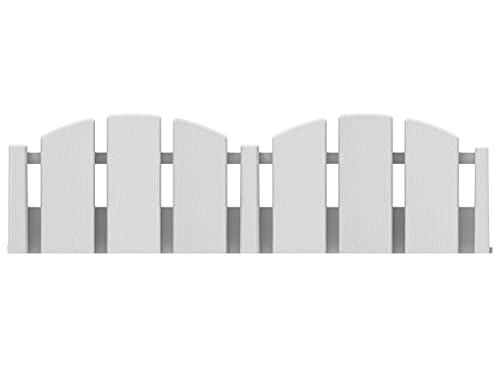
- No trenching or shovel needed
- Built-in spines bend around curves and tree rings
- Includes spikes for a 15-foot installation
Best For: Easy DIY curved beds with a decorative finish
Low-Profile Option

- Subtle 2.7-inch stone-look profile
- Built-in spines follow curves and tree rings
- Includes 24 spikes for a 15-foot kit
Best For: Low-profile curved beds with a stone-inspired look
Best Natural-Look Flexible Edging – Amazon Basics 5-Inch Brown Coil
For garden edging for curved beds with a more natural appearance, this 40-foot brown coil combines flexible recycled plastic construction with a faux woodgrain finish. The included stakes help secure borders around beds, lawns, pathways, and other landscape areas.
Best For: Gardeners who want a brown, wood-inspired border that can form both curves and structured layouts.
Pros:
- Flexible enough for custom curves and box-shaped borders
- Faux woodgrain texture blends with outdoor landscaping
- Includes 10 matching stakes for installation
- Provides 40 feet of 5-inch-high edging
Cons:
- The coil format may require shaping before installation
- Only 10 stakes are included for the 40-foot length
This is a practical choice when appearance and taller border coverage matter. Its brown finish is less visually stark than black plastic, while the flexible coil accommodates curved beds and other custom designs.
Best Long-Length No-Dig Edging – Gardzen 100-Foot Flexible Border
For large projects involving garden edging for curved beds, this Gardzen kit supplies 100 feet of flexible black plastic edging and 120 spikes. Its no-dig design is intended for quick installation around mulch beds, pathways, tree areas, and other landscape features.
Best For: Covering extensive garden layouts where a long roll and many included spikes are useful.
Pros:
- Supplies 100 feet of edging for larger projects
- Includes 120 spikes for frequent anchoring
- Flexible, weather-resistant plastic can follow curved layouts
- Can be cut to fit custom garden shapes
Cons:
- At approximately 1.8 to 3 inches high, it provides a relatively low-profile barrier
- Black coloring may be more noticeable than a natural-toned finish
The standout feature is coverage: this kit is suited to gardeners edging several beds or a substantial pathway. The generous spike count also supports a more anchored installation across long runs.
Best Heavy-Duty Plastic Edging – 2-Inch Black Border with Spiral Spikes
This 40-foot PE plastic border is designed for garden edging for curved beds, tree rings, walkways, and mulch areas. The 2-inch profile offers a low visual barrier, while the no-dig design and included spiral spikes simplify installation.
Best For: DIY projects needing a flexible, low-profile edge that can handle both straight sections and curves.
Pros:
- Flexible PE plastic bends around curved beds and trees
- Includes 50 spiral ground spikes
- Can be cut and shaped for custom layouts
- No-dig installation avoids trenching
Cons:
- Its 2-inch height offers less vertical coverage than taller edging
- The black finish may stand out against some landscape materials
This option balances flexibility, anchoring, and straightforward installation. It is particularly suitable when you want to define mulch, grass, or walkway boundaries without a tall or highly prominent border.
Best Metal Edging for Curves – Pre-Rusted Corten Steel Border
For a durable metal approach to garden edging for curved beds, this pre-rusted Corten steel system provides 33 feet of 4.5-inch-high edging across 10 pieces. The bendable sections can be shaped to custom angles, while clips connect and stabilize the border.
Best For: Gardeners seeking a durable, maintenance-free metal border with a deliberately weathered appearance.
Pros:
- Pre-rusted Corten steel is designed for all-weather use
- Bendable sections suit curved borders and custom angles
- 4.5-inch height creates a more substantial edge
- Includes six clips for linking and stabilizing sections
Cons:
- Provides 33 feet of total coverage, less than some plastic rolls
- The pre-rusted finish may not suit every landscaping style
- Metal construction is heavier than plastic alternatives
This is the most substantial-looking option in the group and a strong fit for defined paths, planting areas, and curved borders. Its sectional design offers shaping flexibility while maintaining a metal aesthetic.
Best Metal Pick – Flexible Corrugated Metal Edging
For homeowners who want durable garden edging for curved beds, this 50-foot galvanized-steel roll combines flexible shaping with a clean black corrugated finish. It can follow curves, straight runs, and tight corners while separating soil, mulch, gravel, or grass.
Best For: Large flower beds, raised beds, pathways, and gardeners seeking weather-resistant metal edging with long coverage.
Pros:
- Flexible enough for curved layouts, corners, and straight borders.
- Rust-resistant galvanized steel with a black protective coating.
- Includes 50 feet of edging at a 5.5-inch height.
- Can be pressed or lightly hammered into soil without trenching.
Cons:
- Metal may require tin snips or garden shears for cutting.
- The corrugated black style may not suit natural or traditional landscapes.
This is a strong choice when long-term weather resistance and broad coverage matter most. Its flexible construction makes it well suited to curved beds, while the low profile keeps the border visually unobtrusive.
Best Complete Kit – Flexible PE Edging with Stakes
This HDPE coil is a practical option for garden edging for curved beds, especially when you want a flexible border that is easy to shape and anchor. The kit includes 24 stakes and installation instructions for securing curved flower beds, pathways, and mulch areas.
Best For: DIY gardeners creating smooth curves around flower beds, trees, pathways, or lawn edges while retaining mulch and soil.
Pros:
- Highly flexible for flowing curves and custom shapes.
- Includes 24 anchoring stakes and clear installation instructions.
- Weather-resistant PE material is designed to resist cracking, rotting, and fading.
- Can be cut to length with standard scissors or shears.
Cons:
- Installation involves digging a shallow trench and backfilling.
- The supplied details specify a 5-inch width but not the coil’s total length.
Choose this edging when straightforward installation and secure anchoring are priorities. Its plastic construction is especially convenient for smooth curves, while the included stakes help keep the border in position.
Best Natural Look – Carbonized Pine Wood Edging
For a softer, landscape-friendly appearance, this carbonized pine border provides garden edging for curved beds without the look of metal or plastic. Its connected wooden planks can form straight, curved, or circular layouts and sit at a subtle 3.9-inch height.
Best For: Small flower beds, tree borders, and natural-looking garden designs that need a low-profile edge.
Pros:
- Carbonized, sanded pine is coated for improved weather resistance.
- Flexible connected planks can form curved or circular borders.
- Pointed ends allow tool-free push-in installation.
- Multiple pieces can be connected by twisting the wires together.
Cons:
- At 9.6 feet, one pack covers less area than the longer roll options.
- Wood requires more consideration for long-term outdoor maintenance than metal or PE.
This edging is a good fit when appearance matters as much as function. The brown wood blends naturally into planting areas, and the flexible linked design makes it suitable for compact curved or circular beds.
Heavy-Duty Choice – Corrugated Black Metal Edging
For garden edging for curved beds, this LAVEVE border offers a flexible metal design that can be shaped around custom layouts. Its 6-inch height, corrugated galvanized-steel construction, and black finish suit flower beds, pathways, lawns, and paver borders.
Best For: Gardeners who want flexible, heavy-duty edging for custom curves and year-round outdoor use.
Pros:
- Flexible galvanized steel can be shaped into custom borders.
- Corrugated construction helps improve strength and resistance to impacts.
- Weather-resistant coating is designed for outdoor use in changing conditions.
- U-shaped rolled hems provide smoother, safer edges.
Cons:
- The 40-foot roll may require cutting and careful handling during installation.
- Metal edging may be less convenient to install than no-dig plastic options.
This is the strongest fit of the three for substantial, continuous curved borders. Choose it when durability and a clean black metal look matter more than the simplest installation.
Decorative No-Dig Pick – Adirondack Wood-Look Border
If easy installation is your priority when shopping for garden edging for curved beds, this EasyFlex kit uses no trenching. Its built-in spines help the 4.5-inch-tall plastic sections bend around curves and tree rings, while the wood-look design adds a decorative touch.
Best For: DIY gardeners who want a decorative curved border with no-dig installation.
Pros:
- No trench or shovel is required for installation.
- Built-in spines allow curved layouts and tree rings.
- Plastic construction is designed to withstand string trimmers, temperature changes, and seasonal ground movement.
- Kit includes 12 edging pieces and 13 anchoring spikes for a 15-foot installation.
Cons:
- The 15-foot kit covers less length than the LAVEVE roll.
- Its decorative plastic construction may not provide the same heavy-duty feel as galvanized steel.
This option balances curved-bed flexibility with a more ornamental appearance. It is particularly practical for raised beds and garden borders where a straightforward, low-maintenance setup is desirable.
Low-Profile Option – Slate Gray Stone-Look Edging
For a subtler approach to garden edging for curved beds, this 2.7-inch-tall EasyFlex stone-look border creates a low decorative boundary. The flexible plastic sections use built-in spines to follow curves, and the no-dig design relies on anchoring spikes rather than a trench.
Best For: Gardeners seeking low-profile, stone-look edging for curved beds and tree rings.
Pros:
- Low 2.7-inch profile provides a subtle garden boundary.
- Built-in spines help sections bend into curves and tree rings.
- No-dig installation avoids trenching and shovels.
- Includes 24 spiral spikes for the 15-foot kit.
Cons:
- The shorter height provides less visual separation than taller edging.
- Color may vary because of the manufacturing process.
- Plastic may feel less substantial than metal edging.
This is a good match for landscaped areas where you want the border to blend into the surroundings rather than stand tall. The low profile and stone-look finish work well for gentle curves and compact garden designs.
How We Picked the Best Garden Edging for Curved Beds
We focused on edging that is designed to bend around sweeping curves, planting islands, pathways, and irregular flower beds. The selection includes products with different heights, lengths, materials, anchoring systems, and visual styles so you can compare practical lawn barriers with more decorative landscape borders.
We also considered installation effort, included stakes or spikes, resistance to weather and corrosion, and how easily each option can be extended or trimmed. Because curved beds vary widely, no single material is best for every yard.
Quick Comparison
| Type | Best for | Main advantage | Potential trade-off |
|---|---|---|---|
| Flexible plastic | Fast DIY installation | Easy to shape and usually affordable | May look less substantial than metal |
| Corrugated or Corten steel | Modern, defined borders | Strong profile and long-term visual appeal | Can cost more and require careful handling |
| Wood-style edging | Natural-looking landscapes | Blends with planting and mulch | Decorative finishes may need more care |
| Stone-look edging | Traditional or low-maintenance beds | Adds a built-in border appearance | Less visually minimal than flat edging |
Key Buying Factors for Garden Edging for Curved Beds
Flexibility and Curve Radius
Check whether the border is sold as a continuous coil, linked sections, or rigid pieces. Coils and thin metal strips generally handle tight curves better, while taller or thicker profiles are better for broad arcs. Lay out the curve with a hose or rope before buying to estimate the required length.
Height and Containment
Edging around 2 to 3 inches tall can create a subtle separation between lawn and bed. Taller 4.5- to 6-inch borders provide more visual definition and better contain mulch or soil, but they may be more noticeable. Consider how much material the bed needs to hold back after rain and watering.
Material and Weather Resistance
Plastic is lightweight and simple to cut, while galvanized, corrugated, and Corten steel offer a stronger architectural look. Look for rust-resistant or corrosion-resistant construction if the edging will stay in wet soil. Wood-style products can suit natural gardens, but confirm how the finish is intended to perform outdoors.
Anchoring and Installation
Included stakes, spikes, clips, or connectors can significantly affect setup time. No-dig designs are convenient for established beds, but the soil must accept anchors firmly. For loose, sandy, or frequently disturbed soil, use additional compatible stakes and install the border deep enough to resist movement.
Who Should Buy Which Garden Edging for Curved Beds?
- Choose flexible plastic for economical, quick installation and easy shaping around irregular beds.
- Choose metal edging for crisp lines, stronger separation, and a contemporary or rustic focal point.
- Choose wood-look edging when you want a softer, natural appearance that complements mulch and planting.
- Choose stone-look edging when visual texture matters more than an invisible border.
- Choose a longer coil or multi-pack for large beds, multiple curves, or future garden expansion.
Before installation, mark the full route, remove roots and debris, and test the edging along the curve. Anchor it gradually rather than forcing one sharp bend, then backfill both sides to improve stability and create a finished appearance.