Preparing raised-bed soil is easier with a tiller sized for tight spaces. The best models loosen compacted soil, blend compost, and refresh planting areas without the bulk or disruption of a full-size cultivator.
This roundup compares 10 garden tillers for raised beds, from lightweight cordless tools and drill attachments to manual cultivators and wider electric models. Consider bed size, soil condition, runtime, and working depth before choosing.
Best 10 Garden Tillers for Raised Beds Picks for 2026
Best Lightweight Pick
Mini Cordless Raised-Bed Tiller

- 2.6-pound handheld design
- 4-inch width and depth
- Two 20V batteries included
Best For: Small raised beds, containers, and tight planting areas
Best Drill-Powered Option
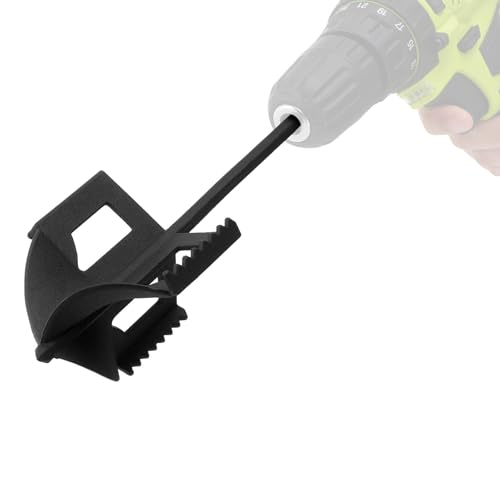
- Fits standard 3/8-inch hex drills
- Tills, digs, weeds, and plants bulbs
- Manganese steel construction
Best For: Multi-purpose raised-bed work with an existing drill
Best Wide-Coverage Corded Model
BILT HARD 14-Inch Electric Tiller

- 14-inch tilling width
- Up to 8.7-inch depth
- Foldable handle and adjustable wheels
Best For: Larger beds and small-to-medium gardens near an outlet
Best Battery-System Choice
DeWalt 20V MAX Cordless Tiller

- Uses DeWalt 20V MAX batteries
- 9-inch width and 7-inch depth
- Battery gauge and safety switch
Best For: DeWalt users preparing raised beds and garden soil
Best Manual Pick
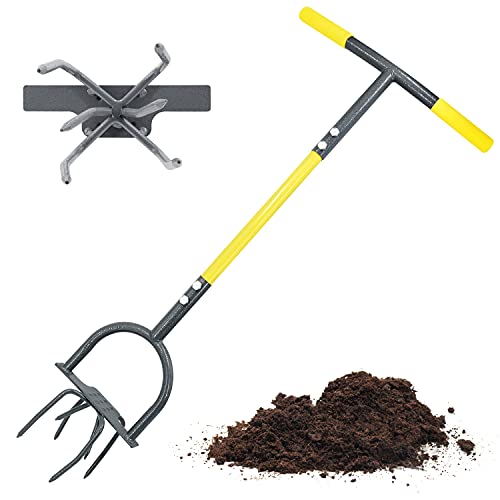
- Foot plate helps penetrate compacted soil
- Sharp steel tines till, aerate, and weed
- No battery, cord, or fuel required
Best For: Small raised beds and targeted manual soil work
Best Lightweight Cordless

- Cordless 360 RPM motor for small spaces
- Tills 9 inches wide and 6.3 inches deep
- Includes two rechargeable 22V batteries
Best For: Small raised beds and cord-free cultivation
Best for Wider Bed Coverage
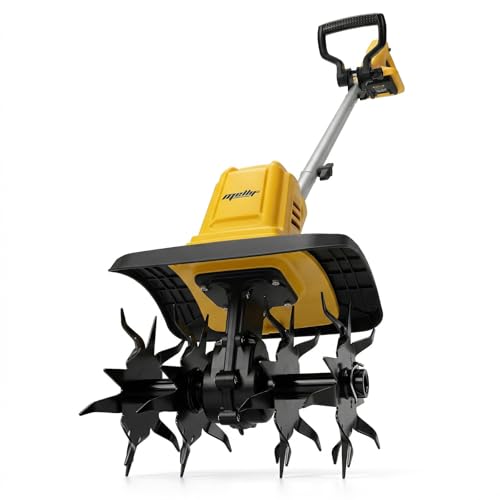
- 10-inch width and 7-inch cultivation depth
- 48 staggered steel tines help reduce clogging
- Compatible with DeWalt 20V MAX batteries
Best For: Larger raised beds and wider powered cultivation
Best Cordless Power
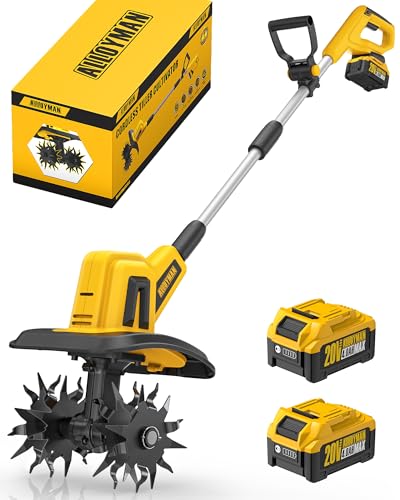
- 360RPM motor with four steel tines
- Two 4.0Ah batteries and charger included
- 9-inch width with listed 6.6-inch depth
Best For: Raised beds and gardeners needing swappable-battery runtime
Best Adjustable Design
SOARFLY Cordless Tiller Cultivator
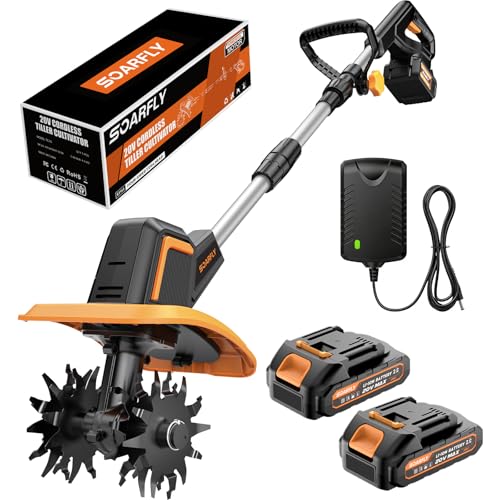
- Adjustable height and auxiliary handle
- Two batteries with up to 60 minutes stated runtime
- 360RPM motor for soil preparation
Best For: Shared households and comfort-focused raised-bed work
Best Simple Pick
20V Cordless Tiller Cultivator

- Lightweight ergonomic design
- Two steel tines reach a listed 4-inch depth
- Two protected 20V batteries included
Best For: Small raised beds and lighter soil cultivation
Best Lightweight Pick – Mini Cordless Raised-Bed Tiller
For gardeners comparing garden tillers for raised beds, this compact cordless cultivator emphasizes easy handling and access in tight planting areas. It weighs 2.6 pounds, tills a 4-inch-wide by 4-inch-deep path, and includes two 20V 2.0Ah batteries.
Best For: Raised beds, containers, flower beds, and gardeners who prefer one-handed operation.
Pros:
- Lightweight design helps reduce arm strain.
- Compact 4-inch working width fits between plants and in narrow rows.
- Two included batteries support continued work while one charges.
- Stainless steel tines rinse clean and resist rust.
Cons:
- The 4-inch width and depth are intended for small-scale cultivation.
- Battery runtime details are not specified.
This is a practical choice when maneuverability matters more than covering a large area. Its shallow, narrow working profile is particularly well suited to established raised beds and container gardening.
Best Drill-Powered Option – 4-in-1 Soil Cultivator
This drill-powered attachment offers a flexible approach to garden tillers for raised beds. It connects to most standard 3/8-inch hex-drive drills and combines soil loosening, tilling, digging, bulb planting, and compost mixing in one tool.
Best For: Gardeners who already own a compatible drill and want one attachment for several raised-bed tasks.
Pros:
- Four functions can reduce the need for separate hand tools.
- Designed for raised beds, plant boxes, and flower pots.
- Hardened manganese steel resists wear and deformation.
- Quickly attaches to compatible drills.
Cons:
- Drill is not included.
- Requires a compatible 3/8-inch hex-drive drill and user-controlled speed.
This attachment makes the most sense for occasional cultivation when a drill is already part of your toolkit. Start at low speed, as recommended, and adjust gradually for the soil and task.
Best Wide-Coverage Corded Model – BILT HARD 14-Inch Electric Tiller
Among garden tillers for raised beds, this corded model is built for covering more soil per pass. Its 10-amp motor supports a 14-inch tilling width and up to 8.7 inches of depth, while adjustable wheels and a foldable handle improve transport and storage.
Best For: Larger raised beds and small-to-medium gardens where an electrical outlet is available.
Pros:
- 14-inch working width covers more ground than handheld cultivators.
- Four steel tines reach up to 8.7 inches deep.
- Adjustable two-position wheels aid control and portability.
- Foldable handle simplifies storage and transport.
Cons:
- Corded operation requires access to AC power and cable management.
- The wider, deeper design may be less suitable for working closely around established plants.
- At about 18 pounds, it is heavier than the handheld options.
This tiller is a stronger fit for bed preparation and broader cultivation than delicate between-plant work. Choose it when coverage and digging depth are priorities and corded operation is acceptable.
Best Battery-System Choice – DeWalt 20V MAX Cordless Tiller
This cordless cultivator is a useful option for garden tillers for raised beds when you already use DeWalt 20V MAX batteries. The bare tool delivers a 9-inch-wide by 7-inch-deep working path, with four hardened steel blades and a 300W peak motor rated at 360 RPM.
Best For: DeWalt 20V MAX owners preparing raised beds, gardens, and lawn areas without buying another battery platform.
Pros:
- Compatible with standard DeWalt 20V MAX battery platforms.
- 9-inch width and 7-inch depth balance coverage with maneuverability.
- Battery status indicator helps track remaining power.
- Includes a dual-action safety switch and four-tier warranty support.
Cons:
- Battery and charger are not included.
- Runtime depends on the battery size; supplied figures range from 24 to 36 minutes.
- Hard-packed soil may require a back-and-forth technique.
For existing DeWalt users, this model can add cultivation capability without adding a separate battery system. Its 9-inch path is more substantial than a handheld mini tiller while remaining lighter than a full-size corded unit.
Best Manual Pick – Jardineer Hand Tiller
For gardeners who prefer hands-on control, this manual twist cultivator is a practical choice among garden tillers for raised beds. Its foot plate helps drive the razor-sharp tines into compacted soil, while the long, curved handle is designed to reduce twisting effort and back strain.
Best For: Small raised beds, flower boxes, compacted soil, aeration, weeding, and mixing amendments without batteries or cords.
Pros:
- Anti-slip foot plate adds downward force for easier soil penetration.
- Sharp, powder-coated steel tines support tilling, aeration, and weed removal.
- Manual operation requires no charging, fuel, or nearby outlet.
Cons:
- Requires physical effort and twisting compared with powered tillers.
- Dry clay or rocky soil should be softened before use.
With its 37-inch design and 2.12 kg weight, the Jardineer offers useful leverage for targeted work in raised beds. It is best suited to smaller areas rather than large-scale soil preparation.
Best Lightweight Cordless – Saker 22V Garden Tiller
The Saker combines cordless convenience with a 9-inch tilling path, making it a flexible option among garden tillers for raised beds and other tight spaces. Its 360 RPM motor and four steel tines are designed for soil preparation, aeration, and weeding.
Best For: Small gardens, backyards, raised beds, and gardeners who want powered tilling without an extension cord.
Pros:
- Cordless design works away from power outlets.
- Provides a 9-inch width and 6.3-inch depth for focused cultivation.
- Includes two rechargeable 22V 2.0Ah batteries, each offering up to 30 minutes of runtime.
- Adjustable auxiliary handle and safety button-plus-trigger system improve control and operating security.
Cons:
- Batteries must be fully charged before use and storage.
- The 9-inch path covers less ground per pass than a wider tiller.
At 6.85 kg, the Saker is a powered alternative with useful depth for bed preparation while remaining suited to smaller spaces. The dual-battery setup can help reduce interruptions during longer sessions.
Best for Wider Bed Coverage – Cordless Brushless Cultivator
This cordless brushless cultivator is built for gardeners who want broader coverage from garden tillers for raised beds. Its 10-inch tilling width, 7-inch depth, and 48 staggered steel tines are intended to break soil evenly, mix compost, improve aeration, and remove weeds.
Best For: Raised beds, garden beds, flower beds, and vegetable gardens where a wider powered tilling path is useful.
Pros:
- 10-inch width and 7-inch depth cover more soil per pass.
- Brushless motor delivers up to 280 RPM with reduced maintenance compared with brushed motors.
- Staggered steel tines are designed to reduce clogging and improve soil breakdown.
- Compatible with DeWalt 20V MAX batteries and includes a foldable design, adjustable handle, and tool-free blade replacement.
Cons:
- Sold as a tool only; the compatible battery is not included.
- Its wider and deeper cultivation may be more than needed for very small or delicate beds.
The adjustable auxiliary handle and safety lock support controlled operation, while the foldable body simplifies storage. A five-year warranty and 24/7 customer support add reassurance for regular garden use.
Best Cordless Power – Alloyman 20V Cordless Tiller
For gardeners comparing garden tillers for raised beds, the Alloyman offers cordless maneuverability, a 9-inch tilling width, and up to 6.6 inches of listed tilling depth. Its 360RPM motor and two included 4.0Ah batteries suit soil preparation, weeding, and aerating in smaller garden spaces.
Best For: Raised beds, flower beds, and gardeners who want longer work sessions with swappable batteries.
Pros:
- Cordless design works well in tight or remote garden areas.
- 360RPM operation and four steel tines support efficient soil cultivation.
- Includes two 4.0Ah batteries and a charger.
- Adjustable auxiliary handle, ergonomic grip, and safety switch improve usability.
Cons:
- At 14.4 pounds, it may feel heavier than smaller hand tillers.
- Its 9-inch width may require multiple passes in larger plots.
The Alloyman is a practical choice when battery flexibility and deeper cultivation matter more than ultra-light portability. The detachable gears also make clearing stuck weeds and cleaning after use easier.
Best Adjustable Design – SOARFLY Cordless Tiller Cultivator
The SOARFLY is a flexible option among garden tillers for raised beds, combining a 9-inch working width with cordless operation and adjustable handles. Its 360RPM pure copper motor is designed for loosening soil, removing weeds, and preparing compacted garden beds.
Best For: Households sharing a tiller or gardeners who prioritize adjustable ergonomics and portable handling.
Pros:
- Adjustable handle height and auxiliary handle accommodate different users.
- Two 2.0Ah batteries provide up to 60 minutes of stated continuous operation.
- 360RPM motor supports soil loosening and aeration.
- Dual safety controls help prevent accidental activation.
Cons:
- Its 2.0Ah batteries offer less stated capacity per battery than some alternatives.
- The supplied details do not specify a tilling depth.
- Plastic construction may be less reassuring for especially demanding soil work.
With its adjustable configuration and compact, cordless format, the SOARFLY is suited to routine raised-bed maintenance. It is particularly appealing when comfort across multiple users is a priority.
Best Simple Pick – 20V Cordless Tiller Cultivator
For small raised beds and light garden preparation, this 20V cordless cultivator focuses on simple handling and flexible operation. Its two steel tines rotate at up to 240RPM and loosen soil to a listed 4-inch depth, while two batteries allow swapping during work.
Best For: Lightweight soil preparation, lawn aeration, and gardeners working in tight spaces.
Pros:
- Lightweight design with an ergonomic grip helps reduce handling strain.
- Cordless operation allows movement without an extension cord.
- Two steel tines cultivate to a listed 4-inch depth.
- Two 20V batteries include overload and temperature protection.
Cons:
- Its 240RPM speed is lower than the 360RPM models in this roundup.
- Two tines and a 4-inch depth may be better suited to lighter cultivation than heavily compacted soil.
- The supplied details do not list a tilling width.
This model makes sense for gardeners who value a lighter tool and modest cultivation depth. It is a straightforward fit for maintaining smaller beds rather than tackling demanding, deeply compacted ground.
How We Picked the Best Garden Tillers for Raised Beds
We evaluated these models for the jobs raised-bed gardeners most often face: loosening existing soil, mixing amendments, preparing small planting areas, and maintaining narrow beds. We considered working width and depth, power source, portability, battery setup, handle design, tine configuration, and compatibility requirements. Since raised beds vary widely, the list includes compact handheld tools, cordless cultivators, a corded electric model, a drill-powered attachment, and a manual option.
Product specifications can vary by seller and package, so confirm included batteries, chargers, adapters, and stated dimensions before ordering.
Quick Comparison
- Best for maximum portability: Lightweight handheld cordless tillers and the manual twist cultivator.
- Best for small beds and routine maintenance: Compact 20V cordless models with narrow working widths.
- Best for deeper or more demanding cultivation: The wider 10-amp corded tiller, provided an extension cord is practical.
- Best for existing tool owners: Drill-drive or bare-tool models that match your current battery or drill system.
- Best for battery flexibility: Models sold with batteries and chargers, especially when you do not already own a compatible platform.
Key Buying Factors for Garden Tillers for Raised Beds
Working Width and Depth
Narrow beds and closely spaced plants favor a compact tiller that is easy to guide between rows. Wider models cover more ground quickly but may be harder to control near established roots. A shallow setting is generally safer for routine bed maintenance, while greater depth helps break up neglected soil.
Power and Soil Conditions
Cordless models are convenient for small to medium beds and locations without nearby outlets. They may need multiple batteries for larger jobs. Corded tillers provide consistent power but require cable management. Manual cultivators are quiet and dependable, though they require more physical effort. Very hard, dry, rocky, or root-filled soil may exceed the capability of lightweight mini tillers.
Battery Compatibility and Runtime
Check whether a cordless tool includes batteries or is sold as a bare tool. Platform-compatible models can save money if you already own the matching battery, but they are poor value if you need to buy into a new system. Compare battery capacity, charging time, and the number of batteries included.
Handling, Storage, and Safety
Lower weight improves control in raised beds, especially when working around plants. Look for a comfortable grip, stable handle, manageable tine engagement, and a design that stores easily. Wear eye protection and gloves, remove stones and debris before tilling, and keep the tool away from roots, irrigation lines, and electrical cords.
Who Should Buy Which Garden Tillers for Raised Beds?
Choose a lightweight cordless mini tiller if you maintain several small beds and value easy handling. Pick a wider corded electric tiller for larger, open beds and tougher soil where steady power matters more than cord-free convenience. A drill-powered attachment suits occasional light work when you already own a compatible high-torque drill. Select a bare-tool cordless model when your existing battery platform matches. For quiet spot maintenance, shallow cultivation, and maximum simplicity, a manual hand tiller remains a practical choice.