The best handheld wood planers make it easier to flatten boards, fit doors, refine edges, and remove material with control. This roundup compares corded, cordless, and traditional hand planes for different woodworking needs.
We selected options ranging from compact chamfering tools and adjustable bench planes to high-power electric models, so you can match the planer’s cutting width, power source, and adjustment system to your projects.
Best 10 Handheld Wood Planers Picks for 2026
Best Compact Manual Pick
JORGENSEN NO.60-1/2 Block Plane

- Reusable O1 tool-steel blade
- Adjustable depth and mouth
- Compact ductile-iron body
Best For: Detail work, trimming, and crafts
Best Cordless Power Option
DEWALT 20V MAX Brushless Planer

- 30,000 cuts per minute
- Brushless cordless motor
- Precision aluminum shoes
Best For: Portable power and fast stock removal
Best Budget Corded Planer
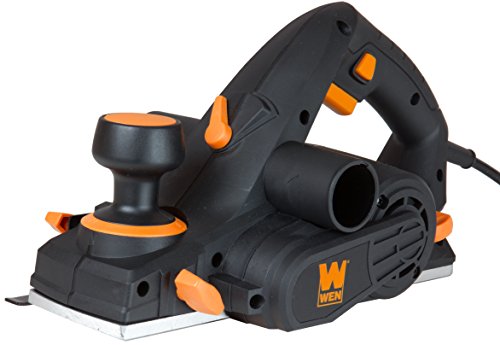
- 6-amp motor, 34,000 cuts per minute
- 3-1/4-inch cutting width
- Includes fence, dust bag, and kickstand
Best For: Home workshops and general repairs
Best Traditional Smoothing Plane

- 10-inch ductile-iron body
- Sharpenable O1 steel blade
- Comfortable beechwood handle
Best For: Smoothing boards and traditional hand work
Heavy-Duty Electric Pick
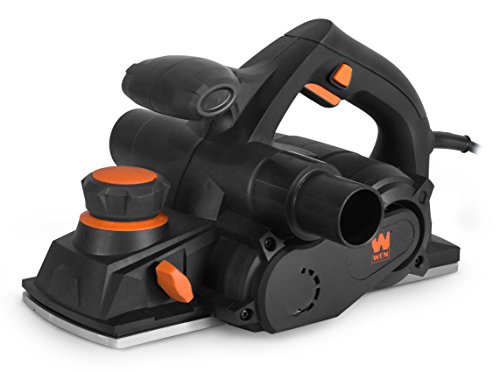
- 8-amp motor with up to 32,000 cuts per minute
- Wide 4-3/8-inch cutting capacity
- Includes dust port, guides, blades, and kickstand
Best For: Larger boards and demanding planing jobs
Manual Smoothing Pick
Amazon Basics No. 4 Bench Plane

- 2-inch adjustable steel blade
- Stable cast-iron body reduces vibration
- Front and rear handles improve control
Best For: Smoothing, trimming, and controlled hand-planing
Lightweight Electric Pick

- Lightweight 4.3-pound design
- Up to 32,000 cuts per minute
- Nine depth stops from 0 to 1/16 inch
Best For: Portable electric planing and lighter-duty tasks
Best Mini Handheld Wood Planer
JORGENSEN No.101 Mini Wood Planer

- Sharpenable O1 tool-steel blade
- Rugged ductile-iron body
- Adjustable depth for detail work
Best For: Small woodworking, trimming, and craft projects
Best Electric Handheld Wood Planer

- 7.5A motor reaches 16,000 RPM
- 3-1/4-inch planing width
- Guide, V-groove, and dust collection
Best For: Fast stock removal and edge work
Best Chamfer Handheld Wood Planer

- Multiple interchangeable cutter heads
- Adjustable trimming depth
- Compact aluminum-alloy design
Best For: Chamfering and shaping wood edges
Best Compact Manual Pick – JORGENSEN NO.60-1/2 Block Plane
Among handheld wood planers, the JORGENSEN NO.60-1/2 is a compact manual option for controlled trimming, deburring, polishing, and detail work. Its ductile-iron body, O1 tool-steel blade, adjustable cutting depth, and adjustable mouth make it suitable for projects where portability and hands-on control matter.
Best For: Detail woodworking, edge trimming, crafts, and users who want a small manual plane.
Pros:
- O1 tool-steel blade can be sharpened, adjusted, and reused.
- Ductile-iron body is designed for heavy-duty use and rugged durability.
- Adjustable cutting depth and mouth support different woodworking tasks.
- Compact 1.5-pound design is portable and easy to handle.
Cons:
- Its 1.38-inch cutting width is better suited to smaller work than broad surfaces.
- Manual operation requires more user effort than an electric planer.
This is a practical choice when precision, portability, and reusable blade maintenance are more important than rapid stock removal. Beginners should follow the included instructions and handle the sharp blade carefully.
Best Cordless Power Option – DEWALT 20V MAX Brushless Planer
The DEWALT DCP580B is one of the more powerful handheld wood planers for fast material removal without a power cord. Its brushless motor delivers up to 30,000 cuts per minute, while the aluminum shoes and calibrated depth knob are designed to support consistent, controlled planing. This listing is for the bare tool only.
Best For: Cordless woodworking, fast stock removal, and users already invested in the DEWALT 20V MAX battery system.
Pros:
- Brushless motor provides power and runtime.
- 30,000 cuts per minute support a fast removal rate.
- Depth adjustment reaches up to 5/64 inch, with fine calibration.
- Precision-machined aluminum shoes help maintain parallel cuts.
Cons:
- Bare-tool configuration does not include a battery or charger.
- At 7.4 pounds, it is heavier than compact manual options.
- Maximum cut depth is limited to 2 mm.
Choose this planer for mobile power and efficient removal, particularly if compatible DEWALT batteries are already available. The kickstand, chamfering groove, and ergonomic handle add useful job-site convenience.
Best Budget Corded Planer – WEN 6530 Electric Hand Planer
The WEN 6530 is a straightforward corded choice among handheld wood planers, combining a 6-amp motor with a 3-1/4-inch cutting width. Its 16 depth stops, included parallel fence, dust bag, kickstand, and rabbeting guide make it a versatile option for general home woodworking and repair tasks.
Best For: Home workshops, corded planing, rabbets, and users who want included accessories.
Pros:
- 6-amp motor produces up to 34,000 cuts per minute.
- Sixteen positive stops adjust cutting depth from 0 to 1/8 inch.
- Can make rabbets up to 1 inch with the included guide.
- Includes a dust bag, kickstand, and parallel fence bracket.
Cons:
- Corded operation requires access to an electrical outlet.
- Plastic and aluminum construction may feel less substantial than a cast-iron manual plane.
- Its 6.5-pound weight may be tiring during extended use.
For users who prefer plug-in convenience and a broad 3-1/4-inch cut, the WEN offers a useful mix of speed and accessories. The two-year warranty is an added benefit for routine workshop use.
Best Traditional Smoothing Plane – JORGENSEN No.4 Hand Plane
The JORGENSEN No.4 is a full-size manual option among handheld wood planers, built for smoothing, trimming, deburring, and removing larger amounts of wood. Its 10-inch ductile-iron body, O1 tool-steel blade, adjustable cutting depth, and beechwood handle favor controlled work over powered speed.
Best For: Smoothing boards, traditional hand-planing, and woodworking projects needing a longer plane body.
Pros:
- 10-inch ductile-iron plane body supports smoothing and stock removal.
- O1 tool-steel blade is reusable, sharpenable, and adjustable.
- Adjustable cutting depth accommodates different planing needs.
- Polished flat bottom and beechwood handle support comfortable operation.
Cons:
- Manual use is slower and more physically demanding than powered planing.
- Its approximately 2.24 kg weight is less portable than a compact block plane.
- The listing includes the blade but no powered accessories.
This No.4 is a sensible fit for woodworkers who value tactile control and a traditional smoothing-plane format. Its longer body and adjustable blade make it better suited to broader surfaces than the smaller JORGENSEN block plane.
Heavy-Duty Electric Pick – WEN 6534 8-Amp Hand Planer
For demanding handheld wood planers projects, the WEN 6534 combines an 8-amp motor with a wide 4-3/8-inch cutting capacity. Its depth adjustment, reversible dust port, and included guides make it a practical option for sizing and shaping larger boards.
Best For: Planing 2x4s, 4x4s, and other larger workpieces where higher power and wider coverage are useful.
Pros:
- 8-amp motor delivers up to 32,000 cuts per minute.
- Wide 4-3/8-inch cutting capacity suits larger boards.
- Sixteen positive stops provide cutting-depth adjustment from 0 to 1/8 inch.
- Includes a two-way dust port, reversible blades, chamfer grooves, fence bracket, rabbeting guide, and kickstand.
Cons:
- At 9.5 pounds, it is heavier than the other electric planer listed here.
- Its AC power source requires access to an electrical outlet.
The WEN 6534 is the strongest choice of these three for wider, more substantial stock. Its heavier cast-iron base and broad cut make it capable, though less convenient when portability is the priority.
Manual Smoothing Pick – Amazon Basics No. 4 Bench Plane
This Amazon Basics No. 4 is a traditional manual option among handheld wood planers, using a 2-inch steel blade and adjustable mouth and depth controls. Its cast-iron body is designed for stable, controlled smoothing, trimming, and finishing.
Best For: DIYers and woodworkers who want a manual plane for smoothing surfaces, trimming doors, furniture work, or cabinetry.
Pros:
- Adjustable mouth and depth gauge support accurate cuts.
- Cast-iron construction helps reduce vibration.
- Front and rear handles provide control during use.
- Blade position and depth can be fine-tuned with adjustment screws and a lever cap.
Cons:
- Manual operation requires user effort rather than powered cutting.
- Its 2-inch blade is narrower than either WEN electric planer.
Choose this bench plane when control and traditional hand-tool operation matter more than speed. It is the only manual model here, making it a useful fit for detail work and gradual material removal.
Lightweight Electric Pick – WEN 6528 3.8-Amp Hand Planer
The WEN 6528 is a compact choice for handheld wood planers projects where lower weight and easy handling are important. Its 3.8-amp motor reaches up to 32,000 cuts per minute, while nine depth stops support adjustments from 0 to 1/16 inch.
Best For: DIY users who want a lighter electric planer for smaller trimming and sizing tasks.
Pros:
- Lightweight 4.3-pound design is easier to handle.
- Motor provides up to 32,000 cuts per minute.
- Nine positive stops allow cutting-depth adjustments from 0 to 1/16 inch.
- Onboard wrench storage and a kickstand add convenience and workpiece protection.
Cons:
- Its 2-3/8-inch cutting width is narrower than the WEN 6534.
- The 3.8-amp motor is less powerful than the 6534’s 8-amp motor.
- Maximum cutting depth is limited to 1/16 inch.
The WEN 6528 makes the most sense when portability and straightforward electric operation outweigh maximum capacity. It is easier to maneuver than the larger WEN, but better suited to lighter-duty workpieces.
Best Mini Handheld Wood Planer – JORGENSEN No.101 Mini Wood Planer
The JORGENSEN No.101 is a compact manual option among handheld wood planers, designed for trimming, polishing, deburring, and detail woodworking. Its ductile-iron body and adjustable O1 tool-steel blade make it a practical choice for small wood projects and craft work.
Best For: Detail woodworking, trimming, crafts, and DIY projects where portability and manual control matter.
Pros:
- Sharpenable O1 tool-steel blade supports repeated use.
- Ductile-iron body is built for rugged, heavy-duty use.
- Adjustable cutting depth helps handle different planing needs.
- Small, polished flat-bottom design is approachable for beginners.
Cons:
- Its mini size is better suited to detail work than broad surface removal.
- Manual operation requires more effort than an electric planer.
Choose this plane when you want a compact tool for controlled, precise adjustments rather than fast stock removal. The included instructions and adjustable blade make it a flexible entry point for small woodworking tasks.
Best Electric Handheld Wood Planer – 7.5A Corded Hand Planer
This corded electric model is one of the more powerful handheld wood planers for quickly flattening and sizing standard lumber. Its 7.5A motor, 16,000 RPM speed, 3-1/4-inch planing width, and adjustable depth support both rough stock removal and finishing work.
Best For: DIYers and professionals who need fast planing, edge jointing, chamfering, and repeatable depth adjustments.
Pros:
- 7.5A motor and 16,000 RPM deliver fast cutting performance.
- Wide 3-1/4-inch cutting path covers standard lumber in one pass.
- 30-stage depth adjustment ranges from 0 to 3 mm.
- Edge guide, V-groove, dual dust ports, and collection bag add versatility.
Cons:
- Corded power limits mobility compared with a manual or cordless tool.
- The high-speed cutter requires careful handling and setup.
This is the strongest fit for users prioritizing speed and productivity. The edge guide and V-groove broaden its usefulness beyond basic planing, while the dust-collection options can help reduce cleanup.
Best Chamfer Handheld Wood Planer – Saker Chamfer Plane
The Saker Chamfer Plane is a specialized choice among handheld wood planers, intended for quickly trimming and shaping wood edges. Its adjustable design, aluminum-alloy base, auxiliary locator, and included cutter heads support multiple edge profiles.
Best For: Quick edge trimming, chamfering, and shaping corners with interchangeable cutter heads.
Pros:
- Includes multiple cutter heads for varied edge profiles.
- Adjustable cutting depth accommodates different wood-trimming tasks.
- Horizontal and vertical bubbles assist with positioning and leveling.
- Compact aluminum-alloy construction is portable and easy to handle.
Cons:
- It is specialized for edge work rather than broad surface planing.
- Changing cutter heads adds setup steps between profiles.
Consider this model when edge treatment is the main priority. The range of included heads makes it more versatile for decorative profiles, while its compact format favors quick, controlled trimming over large-area work.
How We Picked the Best Handheld Wood Planers
We focused on the features that most affect real woodworking results: cutting width, motor or blade design, depth adjustment, handling, power source, dust control, and suitability for common tasks. The selection includes traditional bench planes for quiet, controlled shaving; electric models for faster stock removal; cordless tools for portability; and specialty planes for chamfering and edge work.
Because no single planer suits every project, we also considered the type of user each tool best serves. A compact hand plane may be preferable for detail work, while a wider electric planer can save time when flattening doors, shelves, and dimensional lumber.
Quick Comparison
| Type | Best For | Main Advantage | Potential Trade-Off |
|---|---|---|---|
| Traditional bench plane | Smoothing and controlled trimming | Quiet operation and fine feedback | Requires more technique and effort |
| Corded electric planer | Frequent stock removal | Consistent power and broad capacity | Needs an outlet and careful handling |
| Cordless electric planer | Mobile repairs and jobsite work | Portable, cable-free operation | Battery and charger may be separate |
| Specialty chamfer plane | Edge rounding and corner work | Fast, repeatable edge shaping | Limited compared with general-purpose planes |
Key Buying Factors for Handheld Wood Planers
Cutting Width and Depth
Wider cutting widths cover more surface per pass, but they can feel heavier and may require more power. A narrower plane is easier to control for trim, small boards, and detail work. Check the maximum cut depth and choose a model with fine adjustment if you need precise fitting.
Power Source and Motor Performance
Corded planers provide uninterrupted power for workshop use. Cordless models are more convenient for installation and repairs, but performance depends on battery capacity and the tool’s bare-tool configuration. Look for a motor and cutting rate suited to the hardness and volume of material you plan to remove.
Control, Safety, and Cleanup
An edge guide helps maintain straight passes, while a comfortable handle and balanced body reduce fatigue. Dust bags or compatible extraction ports can improve visibility and cleanup. Always secure the workpiece, keep both hands on the tool as designed, and wait for the cutter to stop before setting the planer down.
Blade Adjustment and Replacement
Traditional planes need properly sharpened and aligned irons. Electric planers use replaceable blades that should be easy to access and correctly installed. Confirm replacement-blade availability before buying, especially if the planer will see frequent use.
Who Should Buy Which Handheld Wood Planers?
Choose a traditional bench plane if you value quiet operation, tactile control, and fine finishing. These are strong choices for furniture makers and woodworkers willing to develop sharpening and setup skills.
Choose a corded electric planer for fast material removal, door fitting, renovation, and repeated work in a workshop. A wider model is useful for larger boards, while a compact model is easier to maneuver.
Choose a cordless planer if you regularly work away from outlets or need a portable tool for jobsite adjustments. Check whether the listing includes a battery and charger.
Choose a mini or chamfer plane for edge details, small components, and quick corner shaping. These specialized tools complement rather than replace a full-size planer.