The best rotary tools for car repair can handle far more than basic polishing. With the right speed range and attachment, one compact tool can help remove surface rust, clean hardware, smooth edges, polish tight areas, and complete delicate detailing work.
This roundup compares 10 options across cordless mini polishers, corded rotary kits, buffer-style machines, and accessory-rich systems. Use the buying guide below to match power, control, runtime, and accessories to the work you actually plan to do.
Best 10 Rotary Tools for Car Repair Picks for 2026
Compact Cordless Pick
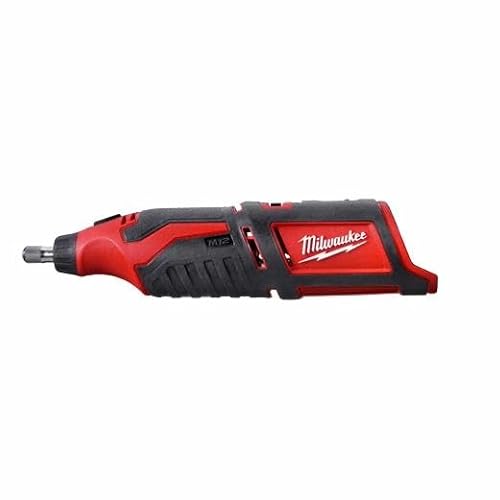
- Cordless 12V design
- 5,000–32,000 rpm variable speed
- Lightweight 14.4-ounce body
Best For: Portable automotive detail work and tight spaces
Detailing Specialist
SPTA Mini Cordless Car Polisher
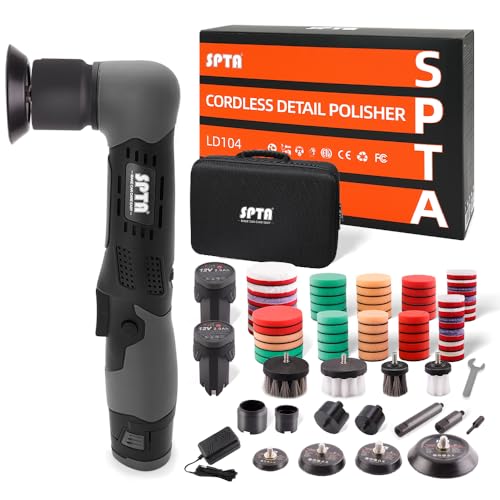
- Double-action cordless polisher
- Two 2,000 mAh batteries
- Backing plates and pads included
Best For: Paint correction around emblems, body lines, and tight areas
Complete DIY Kit
HARDELL 180W Corded Rotary Tool

- 180W corded motor
- 8,000–35,000 rpm across six speeds
- 61 accessories included
Best For: General DIY and automotive workshop tasks
Full-Size Buffer
LDHTHOPI 1600W Rotary Polisher

- 1600W motor for large surfaces
- Seven speeds from 1,000–3,500 rpm
- 6- and 7-inch pads included
Best For: Large vehicle, boat, and surface polishing jobs
Best Cordless Pick

- Cordless 12V design with 2.0Ah battery
- Seven speeds from 5,000 to 35,000 RPM
- 118 accessories with adjustable collet
Best For: Mobile detailing and flexible automotive touch-up work
Best Flex-Shaft Value
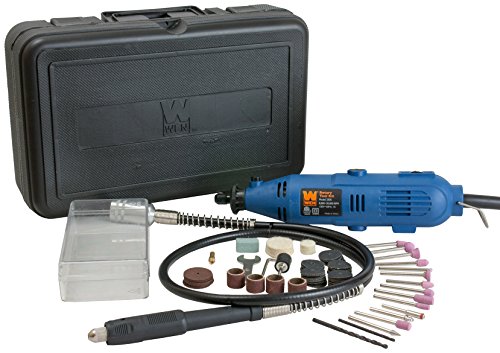
- Corded 120V power for consistent operation
- 8,000–30,000 RPM variable speed
- 80-piece kit includes a flex shaft
Best For: Bench-based detailing and precision work
Best Detail Polishing Accessory

- 30 mini pads for tight detailing areas
- 1/8-inch shank fits most rotary tools
- Color-coded foam for heavy to light cutting
Best For: Small-area vehicle polishing and finishing
Premium Pick
Dremel 4300-5/40 Rotary Tool Kit
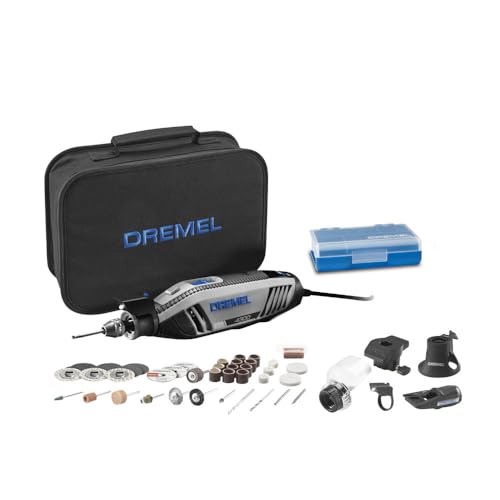
- 1.8-amp motor with 5,000–35,000 RPM control
- Universal chuck and 40 included accessories
- Pivot light and five attachments for tight spaces
Best For: Sustained, precise automotive repair and detailing work
Best Cordless Detailer
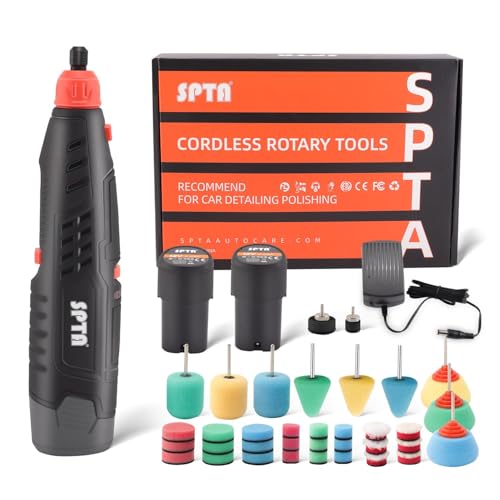
- Cordless 12V tool with two rechargeable batteries
- Six speeds from 4,000 to 25,000 RPM
- Multiple foam pads for polishing and surface correction
Best For: Portable, light-duty automotive polishing and detailing
Best Accessory Bundle
WEN 23190 Steady-Grip Rotary Tool
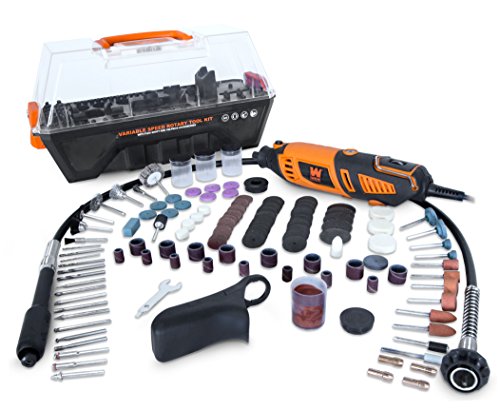
- 1.3-amp motor with 8,000–35,000 RPM range
- 190-piece accessory kit with carrying case
- Flex shaft and removable steady-grip handle
Best For: Versatile DIY automotive work and intricate detail tasks
Compact Cordless Pick – Milwaukee M12 Rotary Tool
If you want rotary tools for car repair that are easy to maneuver in confined spaces, the Milwaukee 2460-20 is a compact cordless option. Its variable-speed range covers 5,000 to 32,000 rpm, supporting cutting, grinding, polishing, and sanding tasks. Note that this listing is for the bare tool only.
Best For: Portable detail work, light cutting, sanding, grinding, and polishing where a slim tool is useful.
Pros:
- Cordless 12-volt design for convenient mobility around a vehicle.
- Compact, lightweight 14.4-ounce pencil-style body.
- Variable speed from 5,000 to 32,000 rpm.
- Backed by a listed five-year manufacturer warranty.
Cons:
- Sold as a bare tool with no battery or accessories listed.
- May require separate compatible supplies for polishing, sanding, or cutting.
The Milwaukee is a practical choice when portability and control matter more than receiving a complete accessory kit. Plan for additional battery and attachment costs if you do not already use the compatible cordless platform.
Detailing Specialist – SPTA Mini Cordless Car Polisher
For rotary tools for car repair focused on paint care, the SPTA Mini Cordless Polisher is designed for tight automotive areas such as emblems and body lines. It offers 2,000 to 4,500 oscillations per minute, a double-action motion, and multiple backing plates and pads for polishing, sanding, and cleaning.
Best For: Vehicle paint correction, small panels, emblems, body lines, and other areas where a full-size polisher is difficult to use.
Pros:
- Cordless 12-volt design supports work without an outlet or extension cord.
- Compact format is intended for tight automotive detailing areas.
- Includes two 2,000 mAh batteries and a broad selection of pads and accessories.
- Double-action operation is designed for hologram-free polishing.
Cons:
- Its 4,500 rpm maximum is oriented toward detailing rather than heavy material removal.
- The large 91-piece package may be more than needed for occasional users.
This is the most specialized option in the group for small-scale automotive polishing. Its included batteries, backing plates, and pads make it a convenient detailing package, especially for beginners working around intricate exterior trim.
Complete DIY Kit – HARDELL 180W Corded Rotary Tool
The HARDELL 180W is a versatile corded choice among rotary tools for car repair, particularly when you need one tool for cutting, grinding, polishing, sanding, rust removal, engraving, or drilling. Six speed settings run from 8,000 to 35,000 rpm, and the 61-piece accessory kit covers a broad range of workshop tasks.
Best For: DIY users who want a general-purpose rotary tool with accessories for varied automotive and household projects.
Pros:
- 180W motor provides consistent power for varied DIY applications.
- Six variable speeds from 8,000 to 35,000 rpm.
- Includes 61 accessories, including cutting discs, grinding pieces, polishing wheels, and drill bits.
- Ventilation and a soft rubber grip support longer, more controlled use.
Cons:
- Corded 120V operation limits mobility compared with cordless models.
- The kit may be less convenient when working far from an outlet.
- Its accessories are general-purpose rather than specifically automotive-focused.
Choose the HARDELL when accessory range and sustained corded power are priorities. It is a strong all-around workshop tool, though vehicle work in remote or awkward locations may favor a cordless alternative.
Full-Size Buffer – LDHTHOPI 1600W Rotary Polisher
For larger automotive surfaces, the LDHTHOPI 1600W Rotary Buffer Polisher offers substantially more power and coverage than a pencil-style rotary tool. Its seven speed settings span 1,000 to 3,500 rpm, while the included foam and wool pads support sanding, polishing, waxing, and oxidation or scratch removal.
Best For: Full-size car, boat, and other large-surface polishing or waxing jobs where a 6- or 7-inch pad is appropriate.
Pros:
- Powerful 1600W motor for demanding polishing and oxidation-removal work.
- Seven adjustable speeds from 1,000 to 3,500 rpm.
- Can be used with the body, D-handle, or side handle for different grips.
- Includes multiple pad types, handles, sandpaper, and a storage bag.
Cons:
- Corded 110V operation reduces portability around a vehicle.
- At 4.6 pounds, it is heavier than compact cordless detail tools.
- The instructions caution against continuous operation exceeding 15 minutes without cooling.
This LDHTHOPI is better suited to broad panels than precision rotary work. Its high power and large pads can speed up polishing and waxing, but users should follow the stated cooling guidance and avoid excessive pressure.
Best Cordless Pick – DURATECH 12V Rotary Tool Kit
For car repair tasks that require freedom of movement, the DURATECH 12V is a versatile choice among rotary tools for car repair. Its cordless design, seven speed settings, LED display, and broad accessory selection support drilling, cutting, sanding, carving, and polishing without tying you to an outlet.
Best For: Mobile detailing, light fabrication, sanding, cutting, and polishing where cordless flexibility matters.
Pros:
- 2.0Ah rechargeable battery supports cordless work and includes a separate charger.
- Seven speeds range from 5,000 to 35,000 RPM for controlled or fast processing.
- 118-piece kit includes cutting, sanding, grinding, polishing, drilling, and carving accessories.
- Adjustable collet accepts accessories from 1/32 to 1/8 inch, including many compatible accessories and flex shafts.
Cons:
- Battery-powered operation requires recharging between extended jobs.
- The kit’s large accessory assortment may be more than needed for occasional users.
The DURATECH stands out when portability and accessory variety are priorities. Its speed display and broad RPM range make it adaptable for different automotive touch-up jobs, while the included storage bag helps keep the kit organized.
Best Flex-Shaft Value – WEN 2305 Rotary Tool Kit
The WEN 2305 is a practical corded option for rotary tools for car repair, especially when consistent power and detailed control are more important than portability. It combines variable speed, an 80-piece accessory set, and an included flex shaft for intricate automotive work.
Best For: Bench-based repairs, precision detailing, deburring, shaping, polishing, and other jobs near a power outlet.
Pros:
- Variable speed adjusts from 8,000 to 30,000 RPM.
- Included flex shaft helps with intricate detail and precision work.
- 80-piece accessory set covers cutting, sanding, polishing, drilling, shaping, and burr removal.
- Onboard spindle lock allows quick bit changes, with 2.3mm and 3.2mm collets.
Cons:
- Corded operation is less convenient for work away from an outlet.
- Its maximum speed is lower than the DURATECH’s 35,000 RPM.
Choose the WEN when you want a straightforward, plug-in rotary tool with a useful flex shaft. It is well suited to controlled bench work and detail-oriented tasks, though the cord limits mobility around a vehicle.
Best Detail Polishing Accessory – SPTA Mini Polishing Pads
These SPTA mini polishing pads are an accessory set rather than a complete rotary tool, making them a targeted add-on for rotary tools for car repair. Their small shapes and 1/8-inch shanks are designed for tight recesses, vehicle details, and other areas that larger polishing pads cannot easily reach.
Best For: Small-area automotive polishing, waxing, sealing glaze, and cleaning around recesses, chrome, and other detailed surfaces.
Pros:
- Compact polishing shapes reach tight and hard-to-access areas.
- Standard 1/8-inch (3mm) shank fits most rotary tools and flex shafts.
- Color-coded foam options support heavy, moderate, and light cutting or finishing.
- Washable, reusable pads are designed to retain polishing compound and dissipate heat.
Cons:
- These are polishing accessories and do not include a rotary tool.
- Small pads are intended for detail areas rather than broad vehicle panels.
For focused automotive detailing, this 30-piece assortment adds capabilities a standard rotary-tool kit may not provide. The different foam densities let you match the pad to heavier correction, moderate cutting, or finishing work in confined spaces.
Premium Pick – Dremel 4300-5/40 Rotary Tool Kit
For demanding rotary tools for car repair tasks, the Dremel 4300 offers a powerful corded motor, broad accessory compatibility, and precise speed control. Its pivot light and included guides are useful when cutting, sanding, grinding, or polishing in tight areas.
Best For: Car repair and detailing work requiring sustained power, precise control, and versatile attachments.
Pros:
- Powerful 1.8-amp motor with electronic feedback and a 5,000–35,000 RPM range.
- Universal three-jaw chuck accepts all Dremel accessory shank sizes.
- Includes five attachments, 40 accessories, a pivot light, and a storage case.
- Ventilation system, ergonomic body, and replaceable brushes support extended use.
Cons:
- Corded design requires access to a 120-volt outlet.
- The included storage bag or case may vary.
The 4300 is a strong choice when dependable power and accessory flexibility matter more than cordless portability. Its lighting and attachment selection add useful control for detailed automotive work.
Best Cordless Detailer – SPTA Mini Car Polisher Kit
Among rotary tools for car repair, this SPTA kit stands out for portable detailing and polishing. Its compact cordless design, six speed settings, foam pads, and two rechargeable batteries make it convenient for small surface corrections and finishing tasks.
Best For: Portable car polishing, scratch reduction, surface cleaning, and light-detailing work.
Pros:
- Cordless 12V design with two rechargeable batteries for continued use.
- Six selectable speeds from 4,000 to 25,000 RPM.
- Compact, lightweight, pen-like grip supports detailed control.
- Includes polishing pads in multiple colors and materials for different finishing needs.
Cons:
- Not suitable for heavy-duty projects.
- Its maximum speed is lower than the corded tools in this roundup.
This is a practical option for users who prioritize mobility and gentle, controlled detailing over high-power grinding. The included pad selection makes it especially focused on automotive polishing.
Best Accessory Bundle – WEN 23190 Steady-Grip Rotary Tool
The WEN 23190 is a flexible choice for rotary tools for car repair when a large accessory selection and comfortable handling are priorities. Its variable-speed corded motor, removable steady-grip handle, flex shaft, and 190-piece kit cover carving, cutting, polishing, and detail work.
Best For: DIY automotive projects that benefit from many accessories, steady handling, and flexible detail work.
Pros:
- 1.3-amp variable-speed motor runs from 8,000 to 35,000 RPM.
- Removable steady-grip handle improves comfort and precision.
- Includes a flex shaft for intricate or complex detail work.
- 190-piece accessory kit and carrying case provide broad project coverage.
Cons:
- Corded 120-volt operation limits portability.
- Its minimum speed is higher than the Dremel 4300’s.
With its extensive accessory kit and flex shaft, the WEN is well suited to varied home-garage tasks. Choose it when convenience and accessory breadth are more important than cordless operation.
How We Picked the Best Rotary Tools for Car Repair
We focused on the features that matter in automotive maintenance: variable-speed control, usable power, grip and maneuverability, accessory compatibility, runtime or cord reach, and the ability to work safely in confined areas. The selection includes compact cordless tools for spot detailing, traditional rotary kits for general workshop tasks, and larger polishers for panels and other broad surfaces.
We also considered kit value. A large accessory count is useful only when the included bits, wheels, brushes, shafts, and polishing attachments suit automotive jobs. Buyers should verify the actual contents and specifications before purchase, since accessory bundles and listing details can vary.
Quick Comparison
| Tool type | Best suited to | Main advantage | Trade-off |
|---|---|---|---|
| Cordless mini rotary tool | Spot polishing, trim, tight spaces | Portable and easy to position | Less runtime and working area |
| Corded rotary kit | Grinding, cutting, cleaning, small repairs | Consistent power and no battery limit | Requires an outlet and cord management |
| Full-size rotary buffer | Large panels and paint correction | Faster coverage on broad surfaces | Heavier and less precise in confined areas |
| Accessory-heavy kit | Mixed garage and DIY work | Broad capability from one purchase | Accessory quality may vary |
Key Buying Factors for Rotary Tools for Car Repair
Speed Control
Variable speed is essential. Lower settings help reduce heat during polishing and protect plastic, paint, and delicate trim; higher settings are better for grinding, brushing, and cutting when the attachment permits it. A broad, easy-to-control range is more useful than a high maximum RPM alone.
Power and Size
Choose a compact rotary tool for emblems, fasteners, vents, and other small areas. For oxidation or polishing across larger panels, a dedicated buffer with a larger pad is usually more efficient. Avoid using an undersized tool for sustained heavy grinding, which can overheat the motor or battery.
Battery, Cord, and Ergonomics
Cordless models are convenient around a vehicle and in areas without nearby outlets, but check battery capacity, charging time, and whether a battery is included. Corded tools provide uninterrupted operation. A slim body, secure grip, low vibration, and a flexible shaft can make precision work safer and less tiring.
Attachments and Safety
Match each wheel, brush, burr, or pad to its rated speed and intended material. Use eye protection, hearing protection when appropriate, and dust control during grinding or brushing. Test polishing compounds and attachments on an inconspicuous area first, and keep moving to avoid heat buildup.
Who Should Buy Which Rotary Tools for Car Repair?
Choose a cordless mini polisher if your priority is mobile spot detailing and light correction. Select a corded rotary kit if you need dependable power for varied garage tasks such as rust cleanup, deburring, and cutting. A full-size variable-speed buffer is the better choice for polishing larger painted surfaces. If you want one adaptable tool for occasional repairs and DIY projects, an accessory-rich kit offers the broadest starting point—provided its included attachments fit your planned work.