Clay soil can turn a simple fence-post project into a slow, strenuous job. The right post hole digger can improve cutting power, reduce digging time, and help you reach consistent depths without unnecessary effort.
This roundup compares 10 manual and powered options, from fiberglass-handle clamshell diggers to gas augers and drill-driven bits. Use the guide below to match the tool’s power, hole size, and handling requirements to your soil and project.
Best 10 Post Hole Diggers for Clay Soil Picks for 2026
Best Manual Pick
Nohovu Heavy-Duty Post Hole Digger
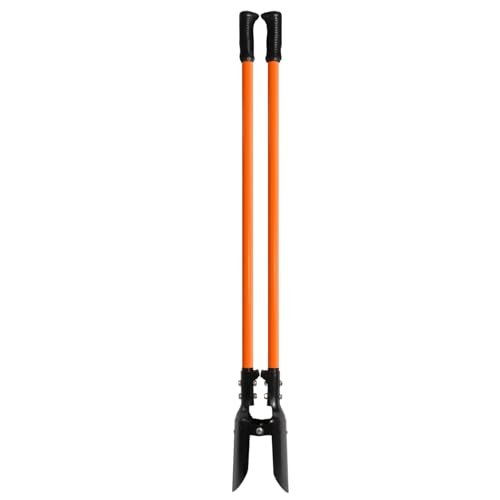
- Sharp curved carbon-steel blades
- 58-inch fiberglass handles
- Reinforced four-screw connection
Best For: Manual work in hard or clay soil
Best Gas-Powered Option

- 43cc engine with up to 9,350 rpm
- 30-inch alloy-steel auger bit
- 1.2-liter fuel tank
Best For: Repeated powered drilling across larger projects
Best Reinforced Manual Tool
VNIMTI 58-Inch Post Hole Digger

- Sharp heavy-duty steel blade
- Thick fiberglass handle
- Double-reinforced joints
Best For: Occasional manual digging in rooted or hard soil
Best Electric Choice
XtremepowerUS 1500W Earth Auger
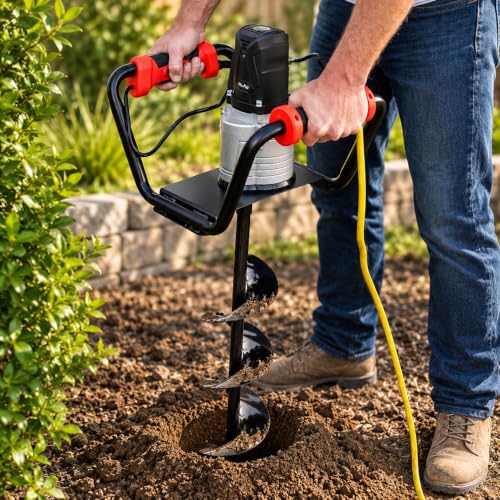
- 1500-watt motor with 90 ft-lb torque
- 6-inch manganese-steel bit
- Safety lock and anti-skid handles
Best For: Residential powered digging with electric access
Heavy-Duty Gas Power

- High-torque engine for hard clay and compacted ground
- Includes 6", 8", and 10" bits
- Three extensions enable deeper holes
Best For: Fencing, ranch, and landscaping projects requiring varied hole sizes
Balanced Clay-Soil Performance

- 63cc engine handles hard clay and roots
- Includes 6-inch and 10-inch bits
- Three extensions support deeper drilling
Best For: Fence, deck, and landscaping jobs needing powered digging
Heavy-Duty Hand Auger
6-Inch T-Handle Post Hole Digger

- Hardened-steel blade for durable manual digging
- 46-inch reach helps reduce bending
- Useful for fence posts, decks, and planting
Best For: Manual digging projects requiring a wider hole and long reach
Drill-Powered Long Auger
2-Inch x 32-Inch Soil Drill Bit
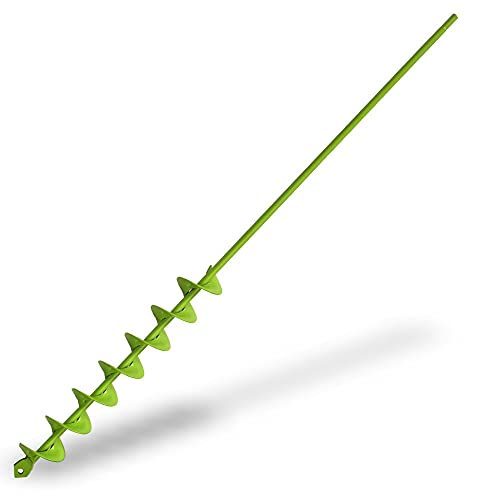
- Extended design supports standing operation
- Seven spiral blades promote fast hole punching
- Compatible with most 3/8-inch-or-larger chucks
Best For: Repeated narrow holes with an 18V-or-higher power drill
Large-Bore Twin-Blade Auger
4-Inch x 24-Inch Fence Post Drill Bit

- 4-inch diameter for wider planting and installation holes
- Twin alloy blades aid soil penetration
- Designed for relatively soft clay and other workable soils
Best For: Larger holes made with a compatible 1/2-inch power drill
Best Manual Pick – Nohovu Heavy-Duty Post Hole Digger
For homeowners seeking post hole diggers for clay soil without fuel or electricity, the Nohovu combines sharp curved carbon-steel blades with a long fiberglass handle. Its 58-inch length can help reduce bending while working on fence, mailbox, or planting projects.
Best For: Manual digging in hard or clay soil when you want a durable, full-length tool.
Pros:
- Sharp, curved carbon-steel blades are designed for hard and clay soil.
- Thickened fiberglass handles with non-slip grips provide a secure hold.
- Four-screw blade-to-handle connection is built for reliable use.
- 58-inch length helps reduce bending and back pressure.
Cons:
- At 9.6 pounds, it is relatively heavy for a manual digger.
- Manual digging can require considerable effort in dense ground.
The Nohovu is a straightforward choice for smaller digging jobs where control, durability, and no-engine operation matter more than speed.
Best Gas-Powered Option – VEVOR 43cc Earth Auger
For larger projects involving post hole diggers for clay soil, the VEVOR 43cc gas-powered auger offers powered drilling with a 30-inch alloy-steel bit. Its engine, long pull cord, and 1.2-liter fuel tank are suited to repeated holes across gardens, farmland, or fence lines.
Best For: Faster powered drilling across multiple holes where fuel-powered equipment is practical.
Pros:
- 43cc engine provides up to 9,350 rpm rotational speed.
- Alloy-steel, powder-coated bit is designed for durability and corrosion resistance.
- 1.2-liter fuel tank supports multiple holes between refills.
- 30-inch bit allows deep drilling without bending over.
Cons:
- Requires gasoline and oil mixed at a 40:1 ratio.
- At 26.2 pounds, it is substantially heavier than manual options.
- Gas-engine operation adds starting and maintenance considerations.
The VEVOR is the more productive choice for repeated digging, though its fuel requirements and heavier design make it less convenient for occasional small jobs.
Best Reinforced Manual Tool – VNIMTI 58-Inch Post Hole Digger
VNIMTI Post Hole Digger Tool, Heavy Duty Post Hole Digger with Fiberglass Handle, 58 Inches
Check Price On AmazonThe VNIMTI is a practical manual option among post hole diggers for clay soil, using a sharp heavy-duty steel blade and reinforced fiberglass handle. Its adult-sized 58-inch profile is intended to improve comfort during fencing, mailbox installation, and garden work.
Best For: Homeowners who want a reinforced manual digger for rooted or hard soil.
Pros:
- High-strength steel blade is designed to cut rooted soil.
- Thick fiberglass handle balances durability with lower weight than metal.
- Non-slip top grip supports a firm, comfortable hold.
- Double-reinforced joints are built for harsh use.
Cons:
- Manual operation is slower and more demanding than powered augers.
- The supplied notes do not specify blade width or hole diameter.
Choose the VNIMTI when you value a simple, reinforced hand tool and need to tackle occasional hard-ground digging without fuel or a power connection.
Best Electric Choice – XtremepowerUS 1500W Earth Auger
For powered post hole diggers for clay soil, the XtremepowerUS electric auger pairs a 1500-watt motor with a 6-inch manganese-steel bit. Its safety lock, anti-skid handles, and 90 ft-lb torque are designed to support fence, planting, and other lawn projects.
Best For: Homeowners who want powered digging without using a gas engine.
Pros:
- 1500-watt motor delivers 90 ft-lb of torque at 270 rpm.
- 6-inch manganese-steel auger bit is built to resist impact, wear, and extrusion.
- Safety lock helps prevent accidental triggering.
- Anti-skid, vibration-proof handles provide leverage and stability.
Cons:
- Electric operation requires access to a suitable power source.
- The supplied notes do not state the unit’s operating reach or cord setup.
- Powered equipment may be more than needed for a single small hole.
The XtremepowerUS offers a useful middle ground between manual effort and gas-powered equipment, particularly for residential projects where electric access is available.
Heavy-Duty Gas Power – 72CC Multi-Bit Auger
For demanding fencing, ranch, and landscaping work, this 72cc gas-powered auger is a strong option among post hole diggers for clay soil. Its high-torque engine is designed for hardpan clay, compacted soil, roots, and frozen ground, while the included bit sizes cover a range of post and planting jobs.
Best For: Professional-style fence installation, large posts, deck footings, and users who need multiple drilling diameters and extra depth.
Pros:
- 72cc engine provides substantial low-end torque for difficult ground.
- Includes 6-inch, 8-inch, and 10-inch auger bits.
- Three 8-inch extensions support deeper drilling with less bending.
- Anti-vibration handles and a translucent fuel tank improve usability.
Cons:
- Not CARB certified and cannot be sold or shipped to California.
- Requires a 25:1 gas-and-oil fuel mix.
- Its broader kit and gas engine may be more than needed for occasional small jobs.
This is the most versatile option of the group for serious clay-soil work, especially when hole diameter and depth will vary. Confirm local emissions restrictions before buying.
Manual Garden Control – 55-Inch Dual-Blade Digger
This manual tool offers a simple, fuel-free approach for smaller digging and planting tasks. Among post hole diggers for clay soil, its opposing sharp blades can help break compacted soil and cut roots, though it is better suited to garden-scale holes than extensive fence installation.
Best For: Gardeners, homesteaders, and homeowners opening planting holes, removing weeds, or handling occasional manual digging.
Pros:
- Dual sharp spades can cut roots and break compacted soil.
- 55-inch handle reduces bending and provides added reach.
- All-metal construction has a rust-resistant coating.
- Detachable design and hanging hole simplify storage.
Cons:
- Manual operation requires more physical effort in hard clay.
- Not designed for powered, high-volume post-hole drilling.
- Its multifunction design may be less efficient for large fence projects.
Choose this digger when portability, quiet operation, and versatility matter more than speed. For numerous deep holes in dense clay, a powered auger will generally be more practical.
Balanced Clay-Soil Performance – 63CC Two-Bit Auger
With a 63cc two-stroke engine, this auger is built for hard clay, compacted soil, roots, and frozen ground. It is a practical middle-ground choice among post hole diggers for clay soil, pairing strong power with 6-inch and 10-inch bits plus extensions for deeper holes.
Best For: Fence posts, deck projects, landscaping, and users who want powered digging with two useful hole diameters.
Pros:
- 63cc high-torque engine targets difficult soil conditions.
- Includes 6-inch and 10-inch heavy-duty steel bits.
- Three 8-inch extension bars support deeper drilling.
- Foam-padded anti-vibration handles help reduce fatigue.
Cons:
- Not CARB certified and cannot be shipped to California.
- Uses a 25:1 gas-and-oil mixture.
- Offers fewer included bit sizes than the 72cc model.
This model suits buyers who need substantial clay-soil power but do not require three different bit diameters. Its two included sizes cover many standard and larger post applications.
Heavy-Duty Hand Auger – 6-Inch T-Handle Post Hole Digger
For post hole diggers for clay soil, this manual hand auger offers a sturdy, straightforward option when you want to dig without relying on a power drill. Its hardened-steel blade, 46-inch length, and approximately 6-inch point spread provide useful reach and leverage for fence-post, deck, and planting projects.
Best For: Gardeners and DIY users who want a manually operated auger for fence posts, deck work, tree planting, and similar digging tasks.
Pros:
- Hardened-steel blade is designed for durable digging performance.
- Long 46-inch design provides reach and leverage while reducing the need to bend.
- Steel shaft and non-slip hardwood T-handle are intended to improve grip and comfort.
- Ready to use out of the box without extra accessories or assembly.
Cons:
- Manual operation requires physical effort, especially in dense or stubborn soil.
- Its approximately 6-inch digging size may be larger than needed for small planting jobs.
- At about 7.94 pounds, it is heavier than a compact garden auger.
This is a practical choice when you prefer a solid, non-powered tool with a wider hole size and comfortable standing operation. It is especially suitable for users who value simplicity and versatility over the speed of a drill-powered bit.
Drill-Powered Long Auger – 2-Inch x 32-Inch Soil Drill Bit
If you are comparing post hole diggers for clay soil and already own a compatible drill, this extended auger bit is designed to let you work while standing. Its 2-inch diameter, 32-inch length, solid steel barrel, and seven spiral blades are intended for rapid hole-making in soil, including hard soil and some lightly rocky conditions.
Best For: Users with an 18V-or-higher drill who need to make many narrow planting or anchoring holes without squatting.
Pros:
- 32-inch length allows standing operation and can reduce back and knee strain.
- Seven intensive spiral blades are designed for quick soil removal.
- Triangle point is intended to handle hard soil and little rocky soil smoothly.
- Works with most 3/8-inch-or-larger chucked drills.
Cons:
- Requires a compatible drill; the drill is not included.
- Its 2-inch diameter is suited to narrower holes than larger post installations.
- Performance can depend on the power and chuck adjustment of the drill used.
This auger makes the most sense for repetitive planting, weeding, loosening, or light anchoring work where drill power and a standing posture are priorities. Confirm your drill meets the suggested power and chuck requirements before buying.
Large-Bore Twin-Blade Auger – 4-Inch x 24-Inch Fence Post Drill Bit
For shoppers seeking post hole diggers for clay soil, this 4-inch drill-powered auger targets larger planting and installation holes. It combines high-strength steel with twin alloy blades and connects to a standard 1/2-inch drill, making it a useful option for shrubs, trees, fences, mailboxes, and trellises in relatively soft clay or other workable soils.
Best For: Gardeners and DIYers who need wider holes for planting or light installation projects and have a suitable 18V-or-higher drill.
Pros:
- 4-inch cutting diameter accommodates larger planting and installation needs.
- Twin alloy blades are designed to improve soil penetration and cutting.
- High-strength steel construction is intended to resist bending or breaking during regular use.
- Fits standard 1/2-inch drills and supports multiple garden and DIY applications.
Cons:
- Requires a compatible power drill, which is not included.
- Best suited to sandy, loamy, and relatively soft clay soils rather than dense clay.
- Not recommended for soil containing many rocks or dense root systems.
This is a sensible large-hole option when your soil is reasonably workable and you want drill assistance for planting or light fence-related tasks. Its stated soil limitations are important, so it is not the best match for heavily compacted, rocky, or root-filled ground.
How We Picked the Best Post Hole Diggers for Clay Soil
We focused on the features that matter most when digging through dense, compacted ground: cutting or auger design, available power, hole diameter, working depth, handle strength, and overall control. The selection includes manual post hole diggers, gas-powered earth augers, electric models, and bits designed for use with a compatible drill.
Because clay conditions vary widely, no single tool is ideal for every yard. Moist clay may be manageable with a sturdy manual digger, while dry or heavily compacted clay generally favors powered equipment or a pilot hole made with an auger.
Quick Comparison
| Type | Best suited to | Main advantage | Important trade-off |
|---|---|---|---|
| Manual clamshell digger | Small jobs and narrow holes | Simple, quiet, and easy to maintain | Requires significant effort in hard clay |
| Hand auger | Gardens and lighter fence work | Controlled digging and low operating cost | Slower in dry, compacted soil |
| Electric auger | Home projects near power access | Lower emissions and simpler starting | Requires an outlet or suitable extension setup |
| Gas auger | Repeated holes and dense ground | High power and cordless mobility | Heavier, louder, and more maintenance-intensive |
| Drill-driven bit | Small planting or occasional holes | Compact and convenient with a compatible drill | Limited by drill torque and battery life |
Key Buying Factors for Post Hole Diggers for Clay Soil
Power and Soil Condition
Dry clay demands more torque than damp, workable clay. Gas-powered augers are generally the strongest choice for multiple deep holes, while electric models can suit residential projects where portability and easier operation matter. Manual tools remain useful for finishing, widening, or removing loosened soil.
Hole Diameter and Depth
Choose a bit that matches the post size and required footing. Larger bits remove more soil but need more power and can be harder to control. Extension bars can increase depth, but confirm that the tool remains stable and that the added length suits your posture and workspace.
Handles, Blades, and Control
For manual diggers, look for rigid handles, sharp steel blades, and comfortable grips. On powered augers, consider balance, vibration, throttle control, and whether the design is intended for one or two operators. A reverse function can be particularly helpful if the bit binds in clay.
Safety and Maintenance
Check the manufacturer’s operating instructions, wear eye protection and sturdy footwear, and identify buried utilities before digging. Powered models may require fuel mixing, air-filter care, bit inspection, or extension-cord planning. Never force a stuck auger without following the tool’s release or reverse procedure.
Who Should Buy Which Post Hole Diggers for Clay Soil?
Choose a heavy-duty manual digger if you need a quiet, low-maintenance tool for a few holes and are prepared to work around especially hard sections. A hand auger is a practical middle ground for garden beds, planting, and lighter fence projects.
Pick an electric auger for recurring home use near reliable power, especially when you want easier starting and less fuel maintenance. A gas-powered model makes more sense for large fence lines, remote locations, or stubborn clay where speed and torque are priorities. Drill-driven bits are best for smaller holes and occasional work when you already own a high-torque drill. Whichever style you choose, match the bit diameter and depth to the post specifications rather than selecting solely by motor power.