Choosing the right post hole digger can make fence installation faster, cleaner, and far less tiring. The best option depends on your soil, hole diameter, post count, and whether you prefer hands-on control or powered digging.
We compared 10 manual, electric, and gas-powered models to help you match the tool to your property and project. Use the guide below to narrow the choices by performance, portability, bit size, and value.
Best 10 Post Hole Diggers for Fence Posts Picks for 2026
Best Electric Pick
1500W Electric Post Hole Digger
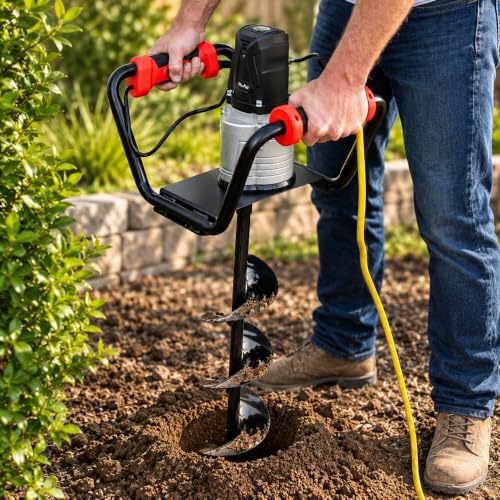
- 1500W motor with up to 90 ft-lb of torque
- 6-inch manganese-steel auger bit
- Safety lock and anti-slip handles
Best For: Homeowners needing an electric auger for fence posts and planting
Best Manual Value
58-Inch Fiberglass Post Hole Digger
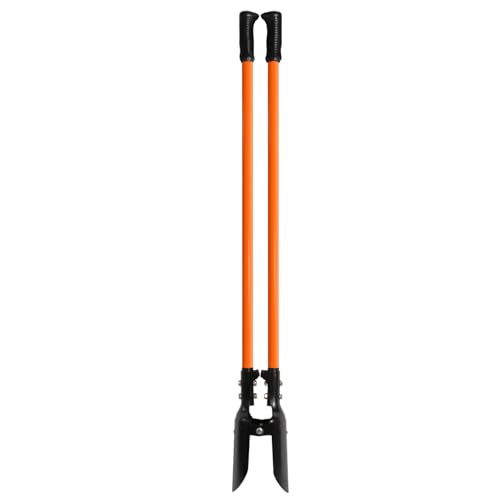
- Sharp curved carbon-steel blades
- Durable fiberglass handles with non-slip grips
- 58-inch length reduces bending
Best For: Manual fence, mailbox, and garden digging
Best Gas-Powered Option

- 43cc engine with up to 9350 RPM
- 30-inch alloy-steel auger included
- 1.2-liter fuel tank and accessory kit
Best For: Portable fence and farm digging across varied soil
Best Simple Manual Tool

- High-strength steel blade cuts rooted soil
- Fiberglass handle with non-slip grip
- Reinforced joints for reliable use
Best For: Small fence, mailbox, and garden projects
Best for Easy Setup
1500W Electric Post Hole Digger

- 1500W motor with 90 ft-lb torque
- Includes a 6-inch auger bit
- Reverse function and safety lock
Best For: Powered fence-post and yard projects near an electrical supply
Best Manual Pick
Long-Handle Manual Post Hole Digger

- 57.48-inch handle reduces bending
- 50Mn steel blade makes 4.33-inch holes
- Depth markings and no assembly required
Best For: Light-duty fence, gardening, and planting work in softer soil
Best Heavy-Duty Option

- 72cc engine for tough soil and clay
- Includes 6- and 8-inch bits
- Extensions support holes over 3 feet deep
Best For: Large fencing projects, deep holes, and demanding outdoor work
Best Powered Option
VEVOR 52cc Gas Post Hole Auger
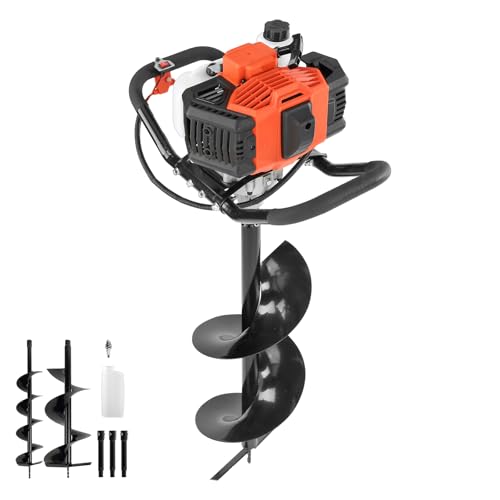
- 52cc engine reaches up to 9350 rpm
- Includes 6-inch and 10-inch bits
- Three extension rods add drilling depth
Best For: Multiple fence, deck, pergola, and planting holes
Best Simple Hand Auger
6-Inch Hardened-Steel T-Handle Auger

- 46-inch shaft provides useful reach
- Hardened steel blade supports digging durability
- Non-slip T-handle improves grip and comfort
Best For: Smaller manual fence, deck, and planting projects
Best Electric Pick – 1500W Electric Post Hole Digger
If you want post hole diggers for fence posts without relying on gasoline, this 1500W electric auger offers a convenient option for soil-based projects. Its 6-inch manganese-steel bit, 270 RPM impact-rated speed, and two ergonomic anti-slip handles are suited to fence installation, tree planting, and similar yard work.
Best For: Homeowners and landscapers who want a powerful electric tool for fence posts, planting, and other soil applications.
Pros:
- 1500W motor delivers up to 90 ft-lb of torque.
- 6-inch manganese-steel auger is designed to resist wear, impact, rust, and corrosion.
- Safety lock and vibration-resistant, skid-proof handles improve control during use.
Cons:
- It is designed for soil and does not include additional auger sizes in the supplied set.
- Requires access to an electrical power source.
This is a practical choice when quiet, push-button operation matters more than the portability of a gas-powered machine. The included 6-inch bit is especially appropriate for standard fence-post and planting tasks.
Best Manual Value – 58-Inch Fiberglass Post Hole Digger
For buyers who prefer a straightforward manual option, this heavy-duty tool is among the more dependable post hole diggers for fence posts. Its sharp, curved carbon-steel blades are intended for hard and clay soil, while the 58-inch fiberglass handles help reduce bending during repetitive digging.
Best For: Adults installing fences, mailboxes, or garden projects who want a durable manual digger without fuel or electricity.
Pros:
- Sharp, curved carbon-steel blades are built for hard and clay soil.
- Thickened fiberglass handles are durable and fitted with non-slip grips.
- Four screws directly connect the blades and handles for a solid structure.
Cons:
- Manual digging requires more physical effort than powered augers.
- At 9.6 pounds, it may feel heavy during extended work.
The long handle makes this a sensible choice for occasional fence-post jobs where simplicity and control are priorities. It offers no motor to maintain, but productivity depends on the user’s strength and soil conditions.
Best Gas-Powered Option – 43cc Earth Auger
When you need powered post hole diggers for fence posts across varied ground, this gas-powered VEVOR auger provides a portable alternative to electric models. Its 43cc engine, 30-inch alloy-steel auger, and 1.2-liter fuel tank are designed for drilling in soil conditions ranging from sandy areas to farmland.
Best For: Larger outdoor projects where portability, extended operation, and gas-powered digging capability are useful.
Pros:
- 43cc engine reaches a maximum rotational speed of 9350 RPM.
- 30-inch alloy-steel auger supports deep drilling without constant bending.
- Large fuel tank, extended pull cord, emergency stop switch, and shock-absorbing handle support operation.
- Includes an oil-mixing bottle, spark plug, and tool kit.
Cons:
- Requires gasoline and oil mixed at a 40:1 ratio.
- At 26.2 pounds, it is substantially heavier than the manual models listed here.
- Gas-powered operation adds engine-starting and maintenance considerations.
This model makes the most sense for users who need to move around a property without an extension cord. Its included 8-inch bit and deep-drilling design can help speed up fence and farm work, provided you are comfortable managing a fuel-powered engine.
Best Simple Manual Tool – Heavy-Duty 58-Inch Digger
VNIMTI Post Hole Digger Tool, Heavy Duty Post Hole Digger with Fiberglass Handle, 58 Inches
Check Price On AmazonThis VNIMTI tool is a straightforward choice among post hole diggers for fence posts, with a heavy-duty steel blade and long fiberglass handle. The sharp head is designed to cut through hard and rooted soil, making it useful for fencing, mailbox installation, and general garden work.
Best For: Adults seeking a durable manual post hole digger for small fencing and landscaping projects.
Pros:
- High-strength steel blade is impact-resistant and designed for rooted soil.
- Thick fiberglass handle balances durability with relatively light construction.
- Non-slip top grip and reinforced joints support firm, controlled use.
Cons:
- Manual operation is slower and more demanding than powered digging.
- The supplied notes do not indicate adjustable blades or multiple digging widths.
Choose this model when you value a simple tool with no motor, fuel, or electrical requirements. Its 58-inch length can make fence and mailbox digging more comfortable, although larger projects will require more physical effort.
Best for Easy Setup – 1500W Electric Post Hole Digger
For homeowners and landscapers comparing post hole diggers for fence posts, this electric earth auger offers powered digging without gas. Its 1500W motor, 6-inch bit, reverse function, and safety lock make it suited to fence installation, tree planting, and other soil projects.
Best For: Homeowners and landscapers who want a powerful electric option for fence posts and general yard work.
Pros:
- 1500W motor delivers up to 90 ft-lb of torque at 270 RPM.
- Includes a 6-inch manganese-steel auger bit.
- Reverse function helps lift crushed soil, while the safety lock helps prevent accidental triggering.
- Anti-skid, vibration-proof handles provide leverage and stability.
Cons:
- Electric operation requires access to a suitable power source.
- The supplied setup is centered on a 6-inch bit, limiting hole-size flexibility.
This is a practical choice when you want powered fence-post digging with lower-maintenance electric operation. The reverse function and ergonomic grips add useful control during repeated holes.
Best Manual Pick – Long-Handle Manual Post Hole Digger
This manual post hole digger is a straightforward option for shoppers seeking post hole diggers for fence posts without fuel or electrical power. Its 57.48-inch handle, 50Mn steel blade, and depth markings support controlled digging in loose soil and cultivable ground.
Best For: Homeowners, gardeners, and DIY users handling smaller fence, planting, or yard projects.
Pros:
- Long handle reduces bending and helps minimize fatigue.
- Steel blade is designed for precise holes approximately 4.33 inches in diameter.
- Depth scale markings help monitor hole depth while digging.
- Ready to use out of the box and weighs about 7.9 pounds.
Cons:
- Manual digging requires more physical effort than powered augers.
- It is intended for loose soft soil and cultivable land rather than specifically documented hard-packed ground.
Choose this model when portability, simplicity, and no-fuel operation matter more than speed. Its long, marked handle is especially useful for repeatable planting or fence-hole depths.
Best Heavy-Duty Option – 72cc Gas Earth Auger
Baotree 72cc Gas Powered Post Hole Digger Earth Auger, 6" & 8" Bits, 2 Rods (72CC+6"+8"+2 Extension)
Check Price On AmazonFor larger fence installations and demanding ground conditions, this gas-powered model brings a 72cc two-stroke engine to the job. It includes 6- and 8-inch bits plus two extension rods, making it one of the more versatile post hole diggers for fence posts and deeper outdoor projects.
Best For: Farmers, landscapers, and homeowners with large yards who need high-torque digging and adjustable depth.
Pros:
- 72cc engine is designed to handle tough soil, clay, and hard-packed earth.
- Includes 6-inch and 8-inch auger bits for different hole sizes.
- Two extension rods allow digging to more than 3 feet.
- Dual padded handles, anti-vibration design, brake, and quick-release throttle support control.
Cons:
- At 37.6 pounds, it is substantially heavier than the manual option.
- Requires correct 25:1 gas-to-oil fuel mixing and outdoor operation.
- Protective gear and a 15-foot clearance from bystanders are specifically advised.
This is the strongest fit for extensive fencing, deep holes, or challenging soil where manual tools may be inefficient. Its interchangeable bits and extension rods also make it useful beyond standard fence-post work.
Best Manual Multi-Tool – Heavy-Duty Dual-Blade Post Hole Digger
For gardeners who need post hole diggers for fence posts without fuel or motors, this manual dual-blade tool combines sharp spades, a long handle, and all-metal construction. It is designed for opening holes, cutting roots, and handling several routine garden tasks.
Best For: Gardeners and homesteaders who want a versatile manual tool for lighter-duty post-hole and garden work.
Pros:
- Dual sharp-edged spades can cut roots, break compacted soil, and lift weeds.
- 55-inch handle provides reach and helps reduce bending.
- Multi-purpose design also works for planting, trenching, weeding, and aerating.
- Reinforced metal construction and a detachable, hangable design support storage and durability.
Cons:
- Manual digging requires more physical effort than a powered auger.
- Its broad multi-purpose design may be less specialized for uniform fence-post holes.
- At 3.55 kg, it may feel substantial during extended use.
This is a practical choice when versatility and simple storage matter more than powered speed. Its long handle and sharpened blades make it suitable for garden beds and occasional post-hole work, while larger fencing projects may call for an auger.
Best Powered Option – VEVOR 52cc Gas Post Hole Auger
For larger fencing or construction tasks, this gas-powered model is one of the more capable post hole diggers for fence posts in the lineup. Its 52cc engine, two included bit sizes, and extension rods are built to improve drilling speed and reach across varied ground.
Best For: Users tackling multiple fence, deck, pergola, planting, or tree-installation holes who want powered drilling.
Pros:
- 52cc engine delivers speeds up to 9350 rpm for powered digging.
- Includes 6-inch and 10-inch auger bits for different hole sizes.
- Three extension rods provide added drilling depth and reduce bending.
- Thickened handles, foam grips, enlarged cooling vents, and a quick-shutoff switch support extended operation.
Cons:
- At 34.5 pounds, it is considerably heavier than the manual options.
- Requires a 1:40 oil-to-gasoline mixture and routine engine-related maintenance.
- Gas operation may be more setup-intensive than a hand auger.
Choose this auger when productivity is the priority and you are prepared to manage fuel and engine operation. The included bits and extensions make it adaptable, while the EPA-listed design and accessory kit add convenience for larger projects.
Best Simple Hand Auger – 6-Inch Hardened-Steel T-Handle Auger
This hand auger offers a straightforward alternative for buyers comparing post hole diggers for fence posts. Its 46-inch steel shaft, approximately 6-inch point spread, and T-handle provide reach and leverage without fuel, batteries, or extra accessories.
Best For: DIY fence and deck projects, planting trees, and general garden drilling where a compact manual auger is sufficient.
Pros:
- Hardened steel blade is designed for durable digging performance.
- Approximately 6-inch point spread suits many standard planting and post-hole tasks.
- 46-inch length provides reach and leverage while limiting excessive bending.
- Non-slip hardwood T-handle is designed for grip and reduced hand fatigue.
Cons:
- Manual operation is slower and more labor-intensive than a gas auger.
- Only one auger is included, limiting hole-size flexibility.
- Supplied details do not indicate extension rods for deeper holes.
With its uncomplicated design and ready-to-use package, this auger is a sensible pick for smaller jobs and buyers who prefer low-maintenance tools. It provides focused drilling performance, though powered equipment may be better for extensive fencing.
How We Picked the Best Post Hole Diggers for Fence Posts
We focused on the features that matter during real fence installation: digging power, blade or auger design, hole-size options, handle comfort, control, portability, and suitability for different soil conditions. The selection includes manual clamshell diggers and hand augers for smaller jobs, plus electric and gas-powered earth augers for multiple holes or tougher ground.
We also considered practical details such as reverse functions, extension rods, included bits, shaft length, fuel or power requirements, and whether the design is easy to transport and store.
Quick Comparison
| Type | Best For | Main Advantage | Trade-Off |
|---|---|---|---|
| Manual clamshell digger | Small fence repairs and soft soil | Simple and low maintenance | More physical effort |
| Manual auger | Gardens and precise holes | Controlled, clean digging | Slower in hard or rocky ground |
| Electric auger | Residential projects with power access | Quieter and easier to maintain | Needs an outlet or suitable extension setup |
| Gas auger | Large jobs and remote locations | Powerful and portable | Heavier, louder, and requires fuel |
Key Buying Factors for Post Hole Diggers for Fence Posts
Soil and Ground Conditions
Manual tools can work well in loose soil, garden beds, and occasional repairs. Clay, compacted earth, roots, and gravel generally favor a powered auger, although very rocky ground may still require a digging bar or specialized equipment.
Hole Diameter and Depth
Check the included bit size against your post dimensions and local installation requirements. Six-inch bits suit many standard fence posts, while larger bits are useful for wider posts or more concrete backfill. Extension rods can help reach deeper holes, but they may add weight and affect handling.
Power, Control, and Safety
Electric models are typically easier to start and maintain, while gas-powered units offer greater freedom from an outlet. Look for a reverse function when available, particularly if the auger may bind. Keep both hands on the handles, clear the work area, and follow the manufacturer’s instructions for buried utilities, protective equipment, and safe operation.
Build Quality and Comfort
For manual diggers, prioritize sturdy carbon-steel blades, reinforced joints, and comfortable fiberglass or hardwood handles. Powered models should have a durable transmission, manageable weight, secure grips, and a bit system that is easy to change.
Who Should Buy Which Post Hole Diggers for Fence Posts?
Choose a manual clamshell digger or hand auger for a few holes, light soil, garden projects, or occasional fence maintenance. An electric auger is a strong middle ground for homeowners installing a moderate-length fence near reliable power. Choose a gas-powered model when you need to dig many holes, work away from outlets, or handle heavier ground with less manual labor.
Before buying, count the holes, measure the required diameter and depth, inspect the soil, and confirm that the included bits fit your posts. Those four checks will usually matter more than choosing the highest power rating alone.