The best cedar raised garden beds make it easier to control soil quality, improve drainage, and create a dedicated growing space without digging into poor ground. Cedar is naturally suited to outdoor use, while elevated designs can also reduce bending and improve access.
These 10 options cover compact planters, large garden layouts, deep-root beds, and legged models for patios or mobility-conscious gardeners. Compare dimensions, capacity, construction, and placement requirements before choosing.
Best 10 Cedar Raised Garden Beds Picks for 2026
Elevated Cedar Comfort

- 30-inch raised height reduces bending
- Cedar construction with protective gray finish
- Liner, drainage holes, and 6 cu. ft. capacity
Best For: Comfort-focused patio, porch, and backyard gardening
Natural Cedar Foundation
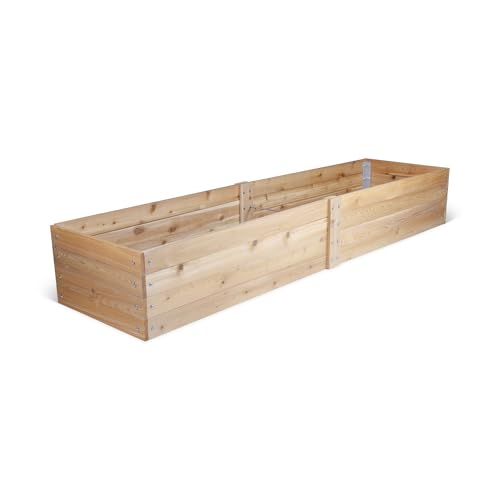
- 100% natural North American Western Red Cedar
- Pre-cut and pre-drilled for easier assembly
- Untreated, weather-resistant, and made in the USA
Best For: Long vegetable and flower beds in spacious yards
Spacious Elevated Grower

- 8.4 cubic feet of elevated planting space
- Divider panel and six drainage holes
- 30-inch height with 300-pound capacity
Best For: Organized patio, balcony, deck, and backyard planting
Maximum Cedar Capacity

- Large 46.7-cubic-foot planting capacity
- Natural Western Red Cedar construction
- 17.5-inch height and pre-drilled assembly
Best For: Expansive vegetable gardens with ample outdoor space
Flexible Firwood Pick
Yaheetech Dividable Raised Bed

- 8-by-2-foot open-bottom design
- Removable divider creates one larger bed
- Stable fir construction with flexible corner slots
Best For: Spacious, configurable vegetable, herb, or flower planting
Deep-Root Cedar Pick
Infinite Cedar Deep Root Garden Kit

- 16.5-inch depth for deep-rooted plants
- One-inch natural rot-resistant cedar boards
- Five-year warranty and included hardware
Best For: Large plants and gardeners prioritizing durable cedar construction
Ergonomic Elevated Pick
Backyard Expressions 48-Inch Planter

- 32-inch height minimizes bending and kneeling
- Includes liner and drainage holes
- 440-pound capacity with weather-treated fir wood
Best For: Comfort-focused container gardening in a raised, accessible bed
Best Elevated Pick
Compact Cedar Garden Bed with Legs

- 30-inch height reduces bending
- 48-by-24-inch growing area
- 200-pound capacity with drainage hole
Best For: Small spaces and accessible gardening
Best Large Planter

- 6.8 cubic feet of planting space
- Eight drainage holes
- 661-pound capacity and 30-inch height
Best For: Large vegetable and flower plantings
Best Custom Layout
Transformable 8x8 Cedar Garden Bed

- Configures into L, U, straight, or custom layouts
- 62 cubic feet with 20-inch planting depth
- Elevated mesh helps deter small pests
Best For: Large backyards and customized garden designs
Elevated Cedar Comfort – 48 x 24 x 30-Inch Planter
This elevated cedar raised garden bed offers a spacious 48-by-24-inch planting area while keeping plants 30 inches off the ground. Its liner, drainage holes, and pre-drilled construction make it a practical choice for patio, balcony, porch, and backyard gardening.
Best For: Gardeners who want a comfortable, waist-height planter for vegetables, herbs, flowers, or fruit.
Pros:
- Natural cedar construction with a water-based protective gray finish
- 30-inch height helps reduce bending and kneeling
- Included liner and drainage holes support soil retention and root health
- 300-pound capacity and 6-cubic-foot planting volume
Cons:
- Elevated design provides less planting volume than large ground-level beds
- Gray finish may not suit gardeners seeking an unfinished cedar appearance
Choose this model if accessible, elevated gardening is more important than maximizing bed depth. Pre-drilled holes and included instructions also make setup straightforward.
Natural Cedar Foundation – 2 x 8 x 14-Inch Bed
This 2-by-8-foot cedar raised garden bed is made from natural Western Red Cedar and designed for substantial outdoor planting. Its unfinished boards can age naturally or be painted or stained, giving gardeners flexibility over the final appearance.
Best For: Beginners and experienced gardeners who need a long, floor-standing bed for vegetables, flowers, or other plants.
Pros:
- 100% natural Western Red Cedar from North America
- Pre-cut, pre-drilled boards simplify assembly
- No added chemicals or pressure treating
- Weather-resistant, low-maintenance construction made in the USA
Cons:
- Unfinished cedar may weather in appearance over time
- Its 8-foot length requires a relatively spacious installation area
This is a straightforward choice for gardeners who want untreated cedar and a long planting footprint. The 14-inch height offers a balance between accessible planting and substantial soil capacity.
Spacious Elevated Grower – 72-Inch Wood Planter
This 72-by-24-by-30-inch elevated wood planter provides a long growing area for flowers, succulents, and vegetables. Six drainage holes, a divider panel, and six legs make it suited to organized container gardening on patios, decks, balconies, and in backyards.
Best For: Gardeners who want a long elevated bed with separate planting sections and room for a broad mix of plants.
Pros:
- Large 8.4-cubic-foot planting space
- 30-inch height reduces bending and kneeling
- Six drainage holes help excess water escape
- Divider panel supports organized planting, with a 300-pound capacity
Cons:
- Made from Chinese fir rather than cedar
- Its 72-inch length needs a wide installation area
- Unfinished wood may change appearance outdoors
Although it is not cedar, this elevated bed is worth considering when planting space and layout flexibility are priorities. Its long profile and divider are especially useful for grouping different crops or ornamental plants.
Maximum Cedar Capacity – 4 x 8 x 17.5-Inch Bed
This large cedar raised garden bed measures 4 by 8 feet and stands 17.5 inches high, offering 46.7 cubic feet of planting capacity. It uses natural Western Red Cedar with pre-cut, pre-drilled boards for assembly and can be left unfinished or customized with paint or stain.
Best For: Gardeners planning a substantial vegetable-growing area who have room for a full-size floor-standing bed.
Pros:
- Very large 4-by-8-foot footprint with 46.7 cubic feet of capacity
- 100% natural Western Red Cedar from North America
- 17.5-inch height provides substantial growing depth
- Pre-drilled construction and strong corners support easier assembly
Cons:
- Requires significant outdoor space and a large amount of soil
- Unfinished wood may weather naturally unless customized
- Floor-standing design does not provide the knee- and waist-height access of an elevated planter
This is the strongest fit for gardeners prioritizing growing volume over compact placement. Its large footprint can support ambitious planting plans, while the untreated cedar construction avoids added chemicals and pressure treating.
Flexible Firwood Pick – Yaheetech Dividable Raised Bed
If you want adaptable cedar raised garden beds alternatives for a patio, yard, greenhouse, or garden, this Yaheetech planter offers a long 8-by-2-foot growing area with a removable divider. Its open-bottom design and unfinished fir construction suit direct placement on the ground.
Best For: Gardeners who want a spacious, configurable bed for vegetables, flowers, or herbs.
Pros:
- Two growing sections can be combined into one larger area by removing the baffle.
- Complete side plates help hold soil securely and reduce leakage.
- Upgraded four-sided corner slots allow flexible combinations with additional beds.
- Includes tools and an instruction manual for assembly.
Cons:
- At 11 inches high, it provides less root depth than a deep-root cedar bed.
- Fir wood is unfinished rather than cedar.
This is a practical choice when layout flexibility and generous length matter most. The divisible design makes it easier to separate plant types now and create a larger planting area later.
Deep-Root Cedar Pick – Infinite Cedar Deep Root Garden Kit
Among cedar raised garden beds, the Infinite Cedar kit stands out for its 16.5-inch depth and thick, naturally rot-resistant cedar boards. Its 3-by-6-foot footprint provides 16 cubic feet of space for plants that need more room below the soil line.
Best For: Gardeners growing large or deep-rooted plants who want a sturdy, natural cedar bed.
Pros:
- 16.5-inch depth accommodates large, deep-rooted plants.
- One-inch cedar deck boards are designed to resist bowing under wet soil.
- Natural, chemically untreated cedar construction.
- Assembles in minutes, includes hardware, and carries a five-year warranty.
Cons:
- Its 50-pound weight may make repositioning more difficult.
- The 3-by-6-foot footprint may require more space than compact beds.
This kit is the strongest match for shoppers specifically seeking cedar and extra root depth. Its thick boards, simple assembly, and warranty add reassurance for a long-term outdoor setup.
Ergonomic Elevated Pick – Backyard Expressions 48-Inch Planter
For gardeners comparing cedar raised garden beds with more accessible elevated designs, this 32-inch-tall Backyard Expressions planter reduces bending and kneeling. Its 48-by-34-inch bed includes drainage, a liner, and a stated 440-pound capacity.
Best For: Gardeners who prefer a waist-height planter for vegetables and general outdoor growing.
Pros:
- 32-inch height supports a more comfortable standing gardening position.
- Drainage holes help prevent waterlogging and mineral buildup.
- Included liner separates soil from the wood and helps deter weeds and animal interference.
- Naturally durable fir wood is described as water and weather resistant.
Cons:
- The construction is fir wood rather than cedar.
- Its 48-by-34-inch planting area is smaller than the eight-foot Yaheetech bed.
This elevated planter is a sensible alternative when accessibility and included protective features matter more than cedar construction. The liner and drainage system make it convenient for a contained planting setup.
Best Elevated Pick – Compact Cedar Garden Bed with Legs
This cedar raised garden bed is a practical choice for gardeners who want a compact, elevated growing space. Its 48-by-24-inch planting area, 30-inch legs, drainage hole, and 200-pound capacity suit vegetables, herbs, and flowers while reducing the need to bend.
Best For: Small patios, accessible gardening, and gardeners seeking a straightforward elevated planter.
Pros:
- 30-inch height supports a more ergonomic gardening position.
- Cedar construction offers a natural look and can be painted or customized.
- Supports up to 200 pounds and includes a drainage hole.
- Includes hardware, tools, and instructions for assembly.
Cons:
- The 200-pound capacity is lower than the larger beds in this roundup.
- Its compact size provides less planting space for extensive crops.
This bed balances manageable dimensions with useful elevation. Choose it when easy access and a smaller footprint matter more than maximum soil capacity.
Best Large Planter – 6-Foot Cedar Garden Bed
For gardeners who need more room, this cedar raised garden bed provides a 6-by-2-foot planting area and 6.8 cubic feet of potting space. Eight drainage holes, a 30-inch overall height, and a 661-pound capacity make it suited to substantial outdoor plantings.
Best For: Growing multiple vegetables, herbs, flowers, or fruits in one elevated outdoor bed.
Pros:
- Generous 6.8-cubic-foot planting capacity.
- Eight drainage holes help move excess water away from roots.
- Untreated cedar is non-toxic and can be oiled, sealed, or stained.
- 661-pound capacity provides strong support for soil and plants.
Cons:
- The 72-inch length requires more outdoor floor space.
- A power drill is recommended for faster assembly.
- The unfinished wood may require additional treatment for preferred durability or appearance.
This is the stronger capacity-focused option for gardeners planning a diverse mini-garden. Its long footprint and high weight rating are especially useful when planting volume is the priority.
Best Custom Layout – Transformable 8×8 Cedar Garden Bed
This transformable cedar raised garden bed is designed for gardeners who want a larger, more adaptable setup. Its interlocking sections can form L-shaped, U-shaped, straight-line, or custom layouts, while the open base, dividers, and elevated iron mesh support organized outdoor growing.
Best For: Spacious backyards and gardeners building a customized vegetable, herb, or flower layout.
Pros:
- Flexible design supports several garden configurations.
- Offers 62 cubic feet of growing space with 20-inch depth.
- Open base promotes drainage and helps prevent water accumulation.
- Elevated fine mesh helps deter small pests while allowing airflow and sunlight.
Cons:
- The approximately 8-by-8-foot footprint needs substantial outdoor space.
- At 140 pounds, it is less convenient to reposition once assembled.
- Food-grade wood wax oil is recommended for exterior maintenance.
This is the most flexible and spacious choice of the three. Its modular construction and mesh enclosure suit gardeners who want to design a dedicated backyard growing area rather than a compact planter.
How We Picked These Cedar Raised Garden Beds
We selected models across several common gardening needs rather than focusing on one style. The roundup includes compact 48-inch planters, larger 6- and 8-foot beds, elevated designs with legs, open-base layouts, divider-equipped boxes, and deeper kits for crops that need more root space.
Our comparison emphasizes practical factors: cedar construction, growing dimensions, working height, drainage, weight capacity, assembly requirements, stability, and how easily each bed fits a patio, balcony, backyard, or larger garden plan.
Quick Comparison
| Best For | Look For | Typical Advantage |
|---|---|---|
| Small patios and balconies | Compact 48-inch footprint | Uses less space and is easier to position |
| Accessible gardening | 30-inch elevated legs | Reduces bending and keeps crops within reach |
| Large vegetable gardens | 6- or 8-foot dimensions | Provides more planting area |
| Deep-rooted crops | Deep-root kit or taller walls | Allows more soil volume for roots |
| Flexible layouts | Open base or transformable design | Supports different garden configurations |
Key Buying Factors for Cedar Raised Garden Beds
Size and Placement
Measure the available area, then leave room to walk around the bed and access every side. A narrow 2-by-8-foot bed can work well against a wall, while a 4-by-8-foot model needs a substantial backyard footprint. Check balcony load limits before adding soil, since a filled bed becomes much heavier than its empty frame.
Height and Accessibility
Ground-level beds are generally more stable and hold more soil, but elevated Cedar Raised Garden Beds are easier to reach. A 30-inch planter can be useful for gardeners who want to limit kneeling or bending. Confirm that the legs include adequate bracing and that the surface is level.
Soil Depth, Drainage, and Crops
Match depth to what you plan to grow. Herbs, lettuce, and many annual flowers need less root space than tomatoes, carrots, potatoes, or perennial plants. Look for drainage holes or an open base, and avoid placing a sealed planter where excess water cannot escape.
Construction and Maintenance
Inspect board thickness, joinery, leg support, hardware, and the stated weight capacity. Cedar naturally handles outdoor exposure, but it will weather over time. Use a garden-safe finish only if desired, and follow the manufacturer’s instructions rather than sealing the interior with an unsuitable product.
Who Should Buy Which Cedar Raised Garden Beds?
Choose a compact elevated model if you garden on a patio, balcony, or small deck. Select a larger 6-foot bed when you want meaningful vegetable-growing space without committing to a full garden layout. An 8-by-8-foot transformable bed is better for gardeners planning a dedicated backyard growing area.
For reduced bending, prioritize a legged planter around 30 inches high and verify its capacity. For carrots, root vegetables, tomatoes, or other plants needing more soil, choose a deep-root design. If your location has uneven ground or drainage concerns, an open-base model may be more adaptable than a fully enclosed planter.