The best drain garden spades make narrow digging jobs easier, from installing irrigation and edging to planting perennials and removing stubborn roots. Their slim blades reach confined spaces without disturbing as much surrounding soil as a standard shovel.
We compared 10 drain spades by blade design, handle construction, grip style, length, and digging versatility to help you choose a tool that fits your soil, projects, and working style.
Best 10 Drain Garden Spades Picks for 2026
Best Multipurpose Pick

- Sharp hardened metal blade
- D-handle for two-handed control
- Useful for trenches, ditches, and landscaping
Best For: Versatile garden and landscape digging
Best Sharp-Edge Design
44-Inch Manganese Steel Drain Spade
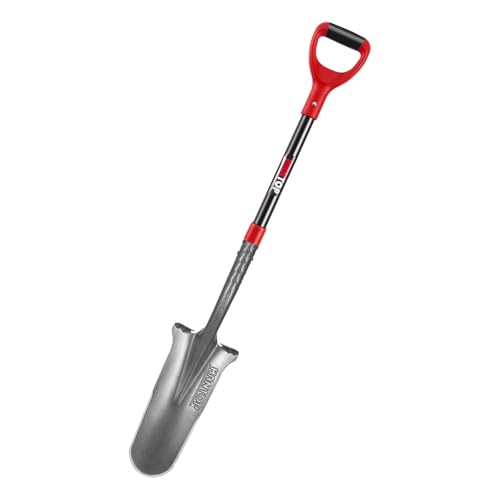
- Edged tip and sides cut soil and roots
- Strong 1050 manganese steel blade
- Comfortable fiberglass handle
Best For: Trenching and ditch cleanup
Best Straight-Handle Option

- 46-3/4-inch fiberglass handle
- 5-3/4-inch alloy-steel blade
- Traditional straight-handle design
Best For: Routine trenching and narrow digging
Best Root-Cutting Pick

- Serrated narrow blade cuts roots
- Solid oak handle
- Useful for ditches, pipes, and tree planting
Best For: Root cutting and specialized trenching
Best Lightweight Drain Spade

- 3-pound narrow trenching design
- High-carbon steel with anti-rust coating
- Wood D-grip and wide foot pedal
Best For: Lightweight drainage, transplanting, and tight-space digging
Best Serrated Drain Spade

- Serrated 1050MN steel blade
- Wide footsteps for added pushing power
- 44-inch wood-handle design
Best For: Root cutting, narrow trenches, landscaping, and planting
Best Fiberglass Drain Spade

- Narrow manganese steel blade
- Three-layer anti-corrosion coating
- Weather-resistant fiberglass D-handle
Best For: Precise trenching, transplanting, and tough soil conditions
Best Compact Drain Spade
Narrow-Blade Fiberglass Drain Spade

- 7-inch narrow steel blade for tight spaces
- 44-inch fiberglass handle with D-grip
- Suitable for trenches, ditches, and garden work
Best For: Precision digging in narrow trenches and confined garden areas
Best Heavy-Duty Drain Spade

- 45-inch fiberglass handle for demanding jobs
- Pointed narrow blade for precise digging
- Designed for clay, roots, trenching, and drainage
Best For: Heavy-duty digging in compact, rocky, or root-filled soil
Best Tall Drain Spade
HIGHLIGHT 45-Inch Sharp Shooter

- 45-inch design helps reduce bending
- Pointed carbon-steel blade for roots and clay
- Lightweight fiberglass handle with oversized D-grip
Best For: Taller users needing a versatile drainage and planting shovel
Best Multipurpose Pick – Ashman 48-Inch Drain Spade
The Ashman is a versatile choice among drain garden spades, combining a 48-inch fiberglass handle with a hardened metal blade. Its narrow profile is suited to trenching, ditch cleanup, landscaping, and work in tight garden spaces.
Best For: Gardeners who want one drain spade for narrow trenches, root cutting, transplanting, and general landscape work.
Pros:
- Sharp blade is designed to penetrate hard soil and cut roots.
- D-handle supports a firm, two-handed grip.
- Fiberglass handle helps resist heat and cold transfer.
- Multipurpose design works for ditches, trenches, and landscaping.
Cons:
- The 1.81 kg weight may feel substantial during extended use.
- The notes do not specify a serrated edge for sawing through roots.
Choose this model when versatility and leverage matter more than a specialized root-saw edge. The orange finish and D-handle also make it easy to identify and control while working.
Best Sharp-Edge Design – 44-Inch Manganese Steel Drain Spade
This 44-inch model is one of the more cutting-focused drain garden spades, with edged sides and a tip for slicing soil and plant roots. Its narrow steel head and fiberglass handle suit trenching, ditch cleaning, and planting tasks.
Best For: Digging narrow trenches, cutting roots, cleaning ditches, and handling firm soil with a sharp-edged blade.
Pros:
- Edged tip and sides are designed for faster soil and root cutting.
- 1050 manganese steel blade is described as hard and strong.
- Fiberglass handle has a smooth, comfortable grip.
- Suitable for tree pits, potatoes, turf, and ditch work.
Cons:
- At 4.4 pounds, it is relatively heavy for repeated digging.
- The red finish may not suit shoppers seeking a neutral color.
Its edged sides give this shovel a practical advantage when breaking through soil and roots. The 44-inch handle provides useful reach while keeping the tool suited to deeper garden work.
Best Straight-Handle Option – Westward 12V173 Drain Spade
The Westward 12V173 is a straightforward choice among drain garden spades, featuring a 46-3/4-inch fiberglass handle and a 5-3/4-inch-wide alloy-steel blade. Its conventional straight-handle layout fits routine trenching and narrow digging work.
Best For: Users who prefer a traditional straight fiberglass handle for general drain-spade digging.
Pros:
- 46-3/4-inch handle provides extended reach.
- Fiberglass handle offers a durable, practical construction.
- Alloy-steel blade is specified as 14-gauge steel.
- 5-3/4-inch blade width remains useful for narrow work.
Cons:
- The straight handle does not provide the two-handed D-grip described on some competing models.
- The supplied details do not mention a sharpened or serrated edge.
This is a sensible pick for buyers seeking a conventional drain spade without extra design features. Its long fiberglass handle and relatively narrow steel blade cover basic trenching and garden digging needs.
Best Root-Cutting Pick – 44-Inch Serrated Drain Spade
For shoppers comparing drain garden spades with root-cutting features, this 44-inch model stands out for its serrated narrow shovel. The solid oak handle and sharp metal blade are intended for ditches, tree planting, pipe work, and cutting through plant roots.
Best For: Gardeners and metal-detecting users who need a narrow spade with a serrated edge for roots and soil.
Pros:
- Serrated blade is designed to cut plant roots and soil.
- Narrow shape suits ditches, pipe digging, and tree planting.
- Solid oak handle is described as strong and resistant to breaking.
- Its listed uses include metal detection as well as gardening.
Cons:
- At 4.4 pounds, it may be tiring for prolonged digging.
- Wood handles may require more care than fiberglass handles.
- The notes do not specify a D-handle or ergonomic grip.
This model makes the most sense when root cutting is a priority. Its serrated narrow blade offers a more specialized approach than a standard smooth-edged garden spade.
Best Lightweight Drain Spade – 45-Inch Sharp Shooter
For gardeners comparing drain garden spades, this 45-inch trenching shovel combines a narrow profile with a lightweight 3-pound build. Its slim, sharp blade is designed for drainage work, transplanting, trenching, and cutting through roots or hard soil in confined spaces.
Best For: Gardeners who want a lightweight drain spade for transplanting, narrow trenches, clay soil, and routine digging.
Pros:
- Narrow blade helps dig clean plugs and tight trenches with less disruption to nearby plants.
- High-carbon manganese steel blade has an anti-rust coating and resists bending.
- Wood D-grip and wide anti-slip foot pedal provide leverage and stable footing.
- At 3 pounds, it is suitable for extended use and easier handling.
Cons:
- The narrow blade is intended for focused digging rather than moving large amounts of soil.
- The wood handle may require more care than a weather-resistant fiberglass handle.
This is a practical choice when maneuverability and reduced fatigue matter more than carrying capacity. The narrow, reinforced design makes it especially useful for drainage projects and careful root-zone work.
Best Serrated Drain Spade – Root-Cutting Garden Shovel
This 44-inch drain spade is a strong option for shoppers seeking drain garden spades with added root-cutting capability. Its serrated 1050MN steel blade is built for digging narrow trenches, planting, landscaping, and cutting through roots in tight spaces.
Best For: Gardeners and landscapers who need a toothed spade for roots, small deep holes, narrow trenches, and transplanting.
Pros:
- Serrated reinforced blade helps cut roots while digging.
- Wood handle and 1050MN steel blade provide a sturdy traditional setup.
- Wide footsteps improve foot placement and pushing power.
- Suitable for gardening, landscaping, construction, trenching, and planting tasks.
Cons:
- At 4.4 pounds, it is heavier than some narrow drain spades.
- The toothed blade may be less suited to making especially clean cuts around delicate roots.
- Its 7-inch blade width may offer less precision than slimmer models in very confined areas.
Choose this model when root cutting is a priority. The serrations and wide footstep make it a capable digging tool, though its heavier build favors tougher jobs over all-day lightweight use.
Best Fiberglass Drain Spade – WIKER Sharp Shooter
Among drain garden spades, the WIKER Sharp Shooter stands out for its fiberglass handle and corrosion-resistant narrow blade. The 45-inch shovel is designed for planting, transplanting, drainage trenches, fence-post holes, and removing deeply rooted weeds without disturbing a wide surrounding area.
Best For: Gardeners who want a durable, narrow drain spade with a weather-resistant fiberglass handle for varied soil conditions.
Pros:
- Slender manganese steel blade helps dig close to plants and preserve root systems.
- Three-layer anti-corrosion coating is designed to resist wear and rust.
- Fiberglass handle offers strength and weather resistance compared with wood.
- D-handle provides leverage for hard, sticky, rocky, or compacted soil.
Cons:
- The supplied notes do not specify the shovel’s total weight.
- Its narrow blade is optimized for trenches and focused digging rather than bulk soil movement.
This model is a well-rounded pick for demanding garden conditions, particularly where handle weather resistance matters. Its narrow head supports precise digging, while the fiberglass shaft is suited to repeated outdoor exposure.
Best Compact Drain Spade – Narrow-Blade Fiberglass Drain Spade
If you need drain garden spades for narrow trenches, ditch work, or general garden digging, this 44-inch model offers a focused blade and durable construction. Its 7-inch narrow steel head is suited to tight spaces, while the fiberglass handle helps keep the tool manageable during longer sessions.
Best For: Gardeners and landscapers who need a narrow spade for trenching, drainage work, turning soil, and digging in confined areas.
Pros:
- Sharp 7-inch narrow blade for ditches, trenches, and tight spaces.
- 1050MN steel head is designed for durable, long-lasting use.
- 44-inch fiberglass handle with a comfortable D-grip and non-slip sleeve.
- Wide footplate helps provide leverage while digging.
Cons:
- At 4.4 pounds, it is heavier than some comparable spades.
- The narrow blade prioritizes trenching precision over broad soil-moving capacity.
This is a practical choice when precision matters more than moving large amounts of soil. The sturdy build and comfortable grip make it well suited to repeated drainage and garden work, though its weight may be noticeable during extended use.
Best Heavy-Duty Drain Spade – KOLEIYA Sharp Shooter Shovel
Among drain garden spades, the KOLEIYA model is built for demanding digging in compact clay, rocky soil, and dense roots. Its 45-inch fiberglass shaft, pointed narrow blade, and reinforced construction support trenching, planting, transplanting, and drainage projects.
Best For: Home gardeners and professionals who need a heavy-duty sharp shooter shovel for deep, precise digging and challenging soil conditions.
Pros:
- Long, narrow blade is suited to precise digging in tight spaces.
- High-carbon steel blade is designed for tough soil, clay, and roots.
- Fiberglass handle resists rust, rot, and breakage compared with traditional wood.
- D-shaped handle and ergonomic footrest support leverage and control.
Cons:
- The pointed narrow design is less suitable for moving broad loads of soil.
- Its 45-inch length may feel less maneuverable in very confined areas.
Choose this shovel when durability and digging force are priorities. The combination of a reinforced steel blade, footrest, and fiberglass shaft makes it particularly capable for roots, clay, drainage systems, and other demanding jobs.
Best Tall Drain Spade – HIGHLIGHT 45-Inch Sharp Shooter
This HIGHLIGHT model is one of the more versatile drain garden spades, combining a pointed carbon-steel blade with a tall fiberglass shaft. It can handle drainage channels and irrigation trenches while also serving as a planting and transplanting shovel.
Best For: Taller gardeners who want one lightweight, multipurpose spade for drainage, trenching, planting, and landscaping.
Pros:
- 45-inch length is designed to reduce bending and back strain.
- Pointed hardened carbon-steel blade cuts through soil, roots, and clay.
- Fiberglass handle is lighter than wood and resists rot, rust, and splintering.
- Oversized D-grip provides leverage for demanding digging tasks.
Cons:
- The tall handle may be less convenient for shorter users or confined spaces.
- Its pointed blade is optimized for digging rather than broad soil scooping.
With its 3.4-pound weight and 45-inch profile, this is a useful option for users who value reduced bending without giving up digging power. Its multifunction design makes it suitable for both drainage projects and routine garden planting.
How We Picked the Best Drain Garden Spades
We focused on the features that matter most for narrow, controlled digging: blade width and shape, overall length, handle material, grip design, and the presence of serrated or root-cutting edges. A useful drain spade should enter tight spaces cleanly, provide enough leverage for firm soil, and remain comfortable during repeated use.
We also considered versatility. Some options are better suited to trenching and utility work, while others are more practical for planting, transplanting, edging, and general garden maintenance. Because specifications can vary by seller, confirm the listed dimensions and materials before ordering.
Quick Comparison of These Drain Garden Spades
| Feature | What to Look For | Best Use |
|---|---|---|
| Blade profile | Narrow, pointed, or sharp-shooter shape | Precise trenching and planting |
| Blade edge | Smooth edge or serrated teeth | Soil digging or root cutting |
| Handle | Wood or fiberglass construction | Choose based on feel, durability, and weight |
| Grip | D-handle or straight handle | Control and leverage in confined spaces |
| Length | About 44 to 48 inches | Standing work with less bending |
Key Buying Factors for Drain Garden Spades
Blade Width and Shape
A narrow blade is the defining feature of Drain Garden Spades. Look for a pointed or sharp-shooter profile when you need to open compact soil, make planting holes, or dig close to existing plants. A slightly wider blade may move more soil per pass but can be less precise in tight trenches.
Smooth Versus Serrated Edges
Smooth edges are suitable for ordinary soil, edging, and planting. Serrated designs can help cut through roots, sod, and fibrous material, making them useful for landscaping repairs and established beds. They may require more care when stored or transported.
Handle Material and Grip
Fiberglass handles commonly offer resistance to moisture and impact, while wood handles provide a traditional feel and may be lighter or more flexible. D-grips improve control when lifting or twisting, especially during repetitive trenching. Check that the grip feels comfortable and securely attached.
Length, Weight, and Durability
Longer models can reduce bending and increase leverage, but a heavier tool may become tiring during extended work. Consider your height, soil conditions, and project duration. A reinforced blade and solid handle connection are especially important for clay, gravelly soil, and root-heavy ground.
Who Should Buy Which Drain Garden Spades?
Choose a standard narrow drain spade if you mainly plant, edge, transplant, or dig irrigation channels in maintained soil. Select a serrated or root-cutting model if your projects regularly involve thick roots, sod, or overgrown beds. Fiberglass-handled options are a practical choice for frequent outdoor use and wet conditions, while wood-handled models may suit buyers who prefer a familiar traditional feel.
For long trenching sessions, prioritize a comfortable D-grip, manageable weight, and a length that lets you work mostly upright. For occasional repairs or small planting jobs, focus on blade precision and storage convenience rather than maximum heavy-duty construction. Whichever model you choose, wear gloves and eye protection, and inspect the blade and handle before applying force.