Choosing reliable dust control does not have to mean spending several hundred dollars. This roundup compares 10 budget-friendly extractors, collectors, air filtration systems, and specialized fume units for different workshop needs.
Because these products serve different purposes, consider airflow, filtration, capacity, portability, noise, and tool compatibility before buying. The best option depends on whether you need source capture, general air cleaning, or a compact benchtop solution.
Best 10 Dust Extractors Under 300 Picks for 2026
Portable HEPA Workshop Extractor
DYNAVEX 12-Gallon Dust Extractor

- 142 CFM airflow from a 1.5 HP motor
- 0.5-micron HEPA filtration
- Auto-start tool-linked switch
Best For: Woodworking shops needing mobile, high-capacity dust collection
Remote-Controlled Shop Air Cleaner
WEN 3410 400 CFM Air Filtration System
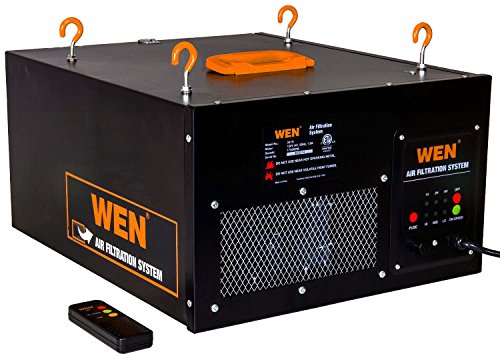
- 300/350/400 CFM speed settings
- 1-micron and 5-micron filters
- RF remote and programmable timer
Best For: Filtering suspended dust in workshops up to 400 square feet
Dual-Cyclone Wet/Dry Extractor
9-Gallon 1400W HEPA Dust Vacuum

- Dual-stage cyclone pre-separation
- Up to 19 kPa suction
- Wet/dry 9-gallon collection
Best For: Heavy woodworking debris and mixed wet/dry cleanup
High-Airflow Ceiling Filter
Abestorm DecDust 780 Air Filtration System

- Up to 780 CFM airflow
- 270-degree, three-sided intake
- Covers workshops up to 800 square feet
Best For: Quiet overhead air filtration in larger workshops
Compact Workshop Pick
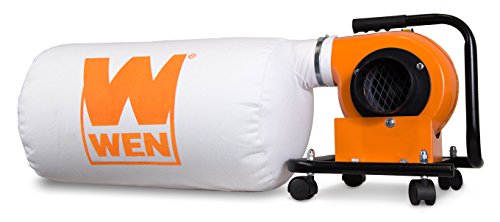
- 660 CFM airflow from a 5.7-amp motor
- Portable rolling design with optional wall mount
- 12-gallon, 5-micron zippered bag
Best For: Home woodworkers with limited workshop space
Fine-Fume Specialist

- Three-stage HEPA, carbon, and pre-filter system
- 180–200 m³/h airflow below 50 dB
- Includes hood, arm, and 10 pre-filters
Best For: Soldering, laser, and detailed bench work
Large-Bag Workshop Option

- 560 CFM airflow from a 1 HP motor
- 21-gallon collection bag with bottom zipper
- 2.5-micron filtration for woodworking dust
Best For: Small and medium woodworking workshops
Fine-Dust Bench Pro
Industrial Benchtop Dust Collector

- 500W suction for fine dry particles
- Below-60dB operation
- Three workstation configurations
Best For: Lab benches, jewelry work, and precision craft tasks
Shop Airflow Pick
Portable HEPA Air Filtration System

- 850–1050 CFM adjustable airflow
- HEPA carbon filter for fine particles
- Portable, below-55dB design
Best For: Woodworking shops needing circulating air filtration
Compact Hobby Choice
Adjustable Desktop Dust Collector

- 13,000 RPM adjustable airflow
- Washable filter with transparent housing
- Includes flexible and silencing tubes
Best For: Small woodworking, resin, nail-art, and craft tasks
Portable HEPA Workshop Extractor – DYNAVEX 12-Gallon Dust Extractor
For shoppers comparing dust extractors under 300, the DYNAVEX combines a 1.5 HP motor, 142 CFM airflow, and a 12-gallon tank in a portable steel unit. Its HEPA filter and tool-linked start function make it practical for woodworking tasks such as sawing, sanding, and routing.
Best For: Woodworkers who want a mobile extractor with a large collection tank and fine-particle filtration.
Pros:
- 0.5-micron HEPA filter helps capture fine woodworking dust.
- 12-gallon tank reduces the need for frequent emptying.
- Includes an auto-start linked switch for compatible power tools.
- Comes with an 8-foot hose, adaptors, clamps, and replacement paper filters.
Cons:
- The linked tool cannot exceed 550 watts.
- Continuous linked-switch use is limited to one hour.
- Wheel installation is optional rather than factory-installed.
The DYNAVEX is a strong fit when capacity and HEPA filtration matter more than compact size. Verify your connected tool’s wattage before relying on the automatic start feature.
Remote-Controlled Shop Air Cleaner – WEN 3410 400 CFM Air Filtration System
Among dust extractors under 300, the WEN 3410 is better viewed as an overhead air-filtration system than a tool-connected extractor. It circulates 300, 350, or 400 CFM, uses replaceable pre- and fine filters, and can be operated remotely in workshops up to 400 square feet.
Best For: Workshop owners who need suspended-dust filtration and remote-controlled air circulation.
Pros:
- Three airflow settings provide 300 to 400 CFM circulation.
- Includes a 1-micron filter and a 5-micron pre-filter.
- RF remote works from up to 26 feet and does not require direct line of sight.
- Programmable timer can shut the unit off automatically.
Cons:
- It is an air-filtration system, not a debris-collecting vacuum.
- Coverage is specified for rooms up to 400 square feet.
- Noise is rated between 50 and 60 dB.
The WEN 3410 makes sense as a complement to source-capture equipment, especially when airborne dust remains after cutting or sanding. It will not replace a hose-connected extractor for collecting chips at the tool.
Dual-Cyclone Wet/Dry Extractor – 9-Gallon 1400W HEPA Dust Vacuum
For buyers seeking dust extractors under 300 for heavier cleanup, this 9-gallon wet/dry model uses dual-stage cyclone separation before the HEPA filter. Its 1400W motor and stated 19 kPa suction are designed for wood chips, shavings, coarse sawdust, damp waste, and common non-corrosive liquid spills.
Best For: Wood shops, jobsites, and maintenance areas handling mixed dry debris, wet waste, and coarse woodworking material.
Pros:
- Dual cyclone stages help divert larger debris away from the HEPA filter.
- 1400W motor delivers up to 19 kPa suction.
- 9-gallon collection capacity supports heavier cleanup jobs.
- Includes an 8.2-foot anti-static hose.
Cons:
- At 80 dB, it is louder than the listed workshop air-filtration units.
- Only one speed and one power level are specified.
- Its 35.5-pound weight may make frequent repositioning less convenient.
The cyclone pre-separator is the main reason to consider this model for demanding shop cleanup: it is intended to reduce filter loading and maintain airflow longer. Its wet/dry capability also gives it broader cleanup utility than a dry-only extractor.
High-Airflow Ceiling Filter – Abestorm DecDust 780 Air Filtration System
For dust extractors under 300 that focus on room-wide air cleaning, the Abestorm DecDust 780 offers 580 to 780 CFM airflow and a three-sided 270-degree intake. Its ceiling-mounted design, remote control, and stated coverage of up to 800 square feet suit larger workshops and garages.
Best For: Larger woodworking spaces needing quiet, overhead filtration for airborne dust.
Pros:
- Airflow reaches 780 CFM on its highest setting.
- 270-degree intake captures air from multiple directions.
- Designed to cover spaces up to 800 square feet.
- Remote and touch controls support convenient operation.
Cons:
- It filters suspended airborne particles rather than collecting debris at the tool.
- Ceiling-mounted installation may require more setup than a floor unit.
- The supplied specifications list a 1-micron particle-retention size rather than the finer rating of some HEPA extractors.
The DecDust 780 is best used as a shop air cleaner, particularly where broad circulation and low noise are priorities. Pair it with source extraction when you need to capture chips and dust directly from saws or sanders.
Compact Workshop Pick – WEN DC3401 Dust Collector
Among dust extractors under 300, the WEN DC3401 is a practical choice for smaller woodworking spaces. Its 660 CFM airflow, rolling base, 12-gallon bag, and optional wall mount provide flexible collection without taking up excessive room.
Best For: Home woodworkers who need a portable collector for tools with a 4-inch dust port.
Pros:
- Moves up to 660 CFM with a 5.7-amp motor and 6-inch impeller.
- Includes lockable swivel casters, an onboard handle, and an optional wall mount.
- Uses a 12-gallon, 5-micron zippered collection bag.
- Backed by a two-year warranty.
Cons:
- The single-speed design offers limited airflow adjustment.
- The 12-gallon bag may require more frequent emptying for heavy-duty work.
The DC3401 balances useful airflow with a compact, mobile design. It is best suited to hobbyist workshops that value easy storage and straightforward connection to common woodworking tools.
Fine-Fume Specialist – JJ-M131 Fume Extractor
The JJ-M131 is a specialized option among dust extractors under 300, designed for source capture rather than large-volume sawdust collection. Its three-stage filtration and compact desktop format make it suited to soldering, laser work, and other detailed tasks.
Best For: Soldering, laser engraving, 3D printing, and small workshop tasks that produce fumes or fine airborne particles.
Pros:
- Three-stage system combines 10 pre-filters, a HEPA filter, and activated carbon filtration.
- Captures particles as small as 0.3 microns with a stated 99.97% capture rate.
- 70W brushless motor provides 180–200 m³/h airflow at below 50 dB.
- Includes a suction hood, suction arm, and replacement pre-filters.
Cons:
- It is intended for fumes and fine particles, not large quantities of woodworking debris.
- Filters require regular replacement to maintain performance.
With its quiet operation and included filter set, the JJ-M131 is a focused solution for bench work. Buyers needing general sawdust collection should choose a dedicated woodworking dust collector instead.
Large-Bag Workshop Option – VEVOR 1 HP Dust Collector
For shoppers comparing dust extractors under 300, the VEVOR wall-mount dust collector offers strong workshop-oriented capacity. Its 560 CFM airflow, 21-gallon bag, and 2.5-micron filtration are designed for collecting coarse sawdust and finer sanding debris.
Best For: Small and medium woodworking workshops that want longer collection intervals and wall-mounted storage.
Pros:
- 1 HP induction motor delivers 560 CFM of airflow.
- Large 21-gallon non-woven bag reduces the need for frequent emptying.
- 2.5-micron filtration helps capture fine wood dust and shavings.
- Bottom zipper allows debris removal without detaching the bag.
Cons:
- Its listed operating noise is up to 90 dB.
- The larger 40.94-inch-long design requires more installation space.
- The supplied notes list wall-mount functionality but do not specify a rolling base.
The VEVOR emphasizes capacity and sustained woodworking use rather than compact portability. Its large bag and quick-clean zipper make it a sensible fit when reducing emptying and maintenance interruptions matters.
Fine-Dust Bench Pro – Industrial Benchtop Dust Collector
If you need dust extractors under 300 for a lab bench, jewelry station, or electronics workspace, this 500W benchtop unit emphasizes strong suction for fine, dry particles. Its reinforced housing, adjustable suction control, and sub-60dB operation make it suited to precision work where noise and airborne debris both matter.
Best For: Fine dry particles from gypsum, resin, metallic dust, jewelry polishing, and other localized bench tasks.
Pros:
- 500W motor provides strong suction for fine debris.
- Operates below 60dB for quieter extended use.
- Offers hose, universal-port, and direct-intake configurations.
- Reinforced metal housing and split-chamber motor protection support regular use.
Cons:
- Designed for dry micro-particles, not liquids or large woodworking chips.
- Its 18-pound benchtop form is less portable than compact hobby collectors.
- The dust drawer requires regular maintenance to preserve airflow.
This is a focused choice when particle capture at the source matters more than handling large volumes of chips. It is particularly well matched to technical and craft workstations rather than general-purpose wet/dry cleaning.
Shop Airflow Pick – Portable HEPA Air Filtration System
Among dust extractors under 300, this portable tabletop air-filtration system stands out for moving and filtering shop air rather than collecting debris through a work-tool hose. Its two-speed 850–1050 CFM airflow, HEPA carbon filter, and compact carry-handle design suit woodworking areas that need broader airborne-dust circulation.
Best For: Improving air quality during woodworking, carving, turning, saw work, and powder mixing.
Pros:
- Adjustable 850 or 1050 CFM airflow supports high-volume air circulation.
- Filter is rated to stop 99.5% of 0.3µm particles according to the supplied notes.
- Portable benchtop design with a leather handle makes repositioning convenient.
- Noise rating is listed below 55dB.
Cons:
- It is an air-filtration system, not a direct dust extractor for tool ports.
- The filter should be replaced approximately every four months.
- The 5.9-foot power cord may limit placement in larger shops.
This model makes sense when the goal is to continuously clean circulating shop air. Choose it for general airborne dust management, but pair it with source collection when a tool produces concentrated chips or debris.
Compact Hobby Choice – Adjustable Desktop Dust Collector
For shoppers comparing dust extractors under 300 for small projects, this 60W desktop collector offers adjustable suction in a compact package. It is aimed at woodworking, sanding, carving, nail art, and resin work, with a washable filter and flexible tubes for directing extraction close to the task.
Best For: Hobby woodworking, nail-art dust, resin crafts, and small desktop sanding or carving jobs.
Pros:
- Stepless speed control lets users adjust suction intensity.
- Transparent housing makes dust and filter buildup easy to monitor.
- Washable filter can be rinsed or cleaned with an air blower.
- Includes extendable suction and noise-reduction tubes for flexible positioning.
Cons:
- It is not recommended for metalworking applications.
- Noise is listed at approximately 67dB with the silencing tube and 81dB without it at maximum speed.
- The 60W design is intended for desktop and hobby tasks rather than heavy industrial extraction.
Its small footprint and adjustable airflow make it a practical entry-level option for localized work. The main trade-off is limited suitability for metal dust and louder operation at maximum suction.
How We Picked the Best Dust Extractors Under 300
We selected products based on their stated airflow, filtration design, collection capacity, portability, controls, and intended use. The list includes shop-style dust collectors, wet/dry extractors, hanging air cleaners, fume extractors, and compact tabletop units because “dust extractor” can describe several types of workshop equipment.
We also considered practical details such as HEPA or fine-particle filtration, pre-separation, hose compatibility, mobile bases, remote controls, washable filters, and replacement-filter availability. Always verify the manufacturer’s specifications before purchase, particularly for airflow ratings and filter performance.
Quick Comparison
- Best for general woodworking collection: A mobile bag-style or wall-mounted collector with a larger capacity.
- Best for fine dust at the source: A HEPA-equipped extractor with an anti-static hose or cyclone pre-separator.
- Best for workshop air cleanup: A hanging air filtration system with remote speed controls.
- Best for fumes or small workspaces: A dedicated multi-stage fume extractor.
- Best for benchtops and compact projects: A tabletop unit with adjustable airflow and a washable filter.
Key Buying Factors for Dust Extractors Under $300
Airflow and Suction
CFM describes the volume of air moved, while suction or static pressure matters when pulling dust through hoses, filters, and tool ports. High airflow is useful for general air filtration, but effective source capture also requires suitable pressure and a properly sealed connection.
Filtration and Dust Containment
Look for HEPA filtration when fine particles are a priority, and consider a cyclone pre-separator to reduce the load on the main filter. Bag and bin capacity affect how often you stop to empty the unit. No extractor eliminates the need for safe work practices, ventilation, and appropriate respiratory protection.
Size, Noise, and Controls
Check the footprint, wheel or wall-mount design, hose length, power requirements, and operating noise. Remote controls and linked tool switches can make a unit more convenient, while compact machines are easier to position but may collect less material.
Who Should Buy Which Dust Extractors Under 300?
Choose a mobile woodworking collector if you regularly use a table saw, planer, or other stationary tool with a dust port. A wet/dry extractor is more versatile for smaller tools, cleanup, and mixed materials, especially when it includes fine filtration and a pre-separator.
For airborne dust that escapes source collection, a hanging air filtration system can improve overall workshop air quality, but it should supplement—not replace—collection at the tool. Fume extractors are better suited to soldering, light industrial work, or other applications involving fumes rather than large volumes of wood chips.
Finally, select a tabletop collector for nail, craft, laboratory, or small benchtop tasks where low space use matters most. Among Dust Extractors Under 300, matching the machine to the material, tool, and workspace is more important than choosing the highest advertised CFM.