Young seedlings need consistent moisture without disturbed soil, flattened stems, or waterlogged roots. The right watering can makes that balance easier by combining a controlled flow with a comfortable size and an appropriately narrow spout.
This roundup compares 10 compact watering cans and watering bottles for seed-starting trays, houseplants, bonsai, and small garden beds. Use the guide below to match capacity, nozzle control, material, and reach to your growing setup.
Best 10 Watering Cans for Seedlings Picks for 2026
Best Compact Pick
15 oz Blue Seedling Watering Can

- Lightweight soft-plastic body
- Adjustable spray-head function
- Translucent 0.45-liter reservoir
Best For: Small indoor plants, seedlings, herbs, and balcony pots
Best Precision Pick
Fiskars 40 oz Long-Spout Watering Can

- Long spout reaches dense foliage
- Volume markings and anti-drip tip
- Lightweight recycled-plastic body
Best For: Measured indoor watering around seedlings and dense houseplants
Best Targeted Watering Pick
17 oz Squeeze Bottle for Seedlings

- Narrow bent nozzle targets soil
- Flexible LDPE bottle is easy to squeeze
- Leak-resistant O-ring design
Best For: Seedlings, terrariums, succulents, and crowded pots
Best Decorative Pick
35 oz Stainless Steel Long-Spout Can

- Durable black stainless steel body
- Long, thin precision spout
- Comfortable wooden handle
Best For: Displayed indoor use, bonsai, seedlings, and houseplants
Best Precision Squeeze Bottle
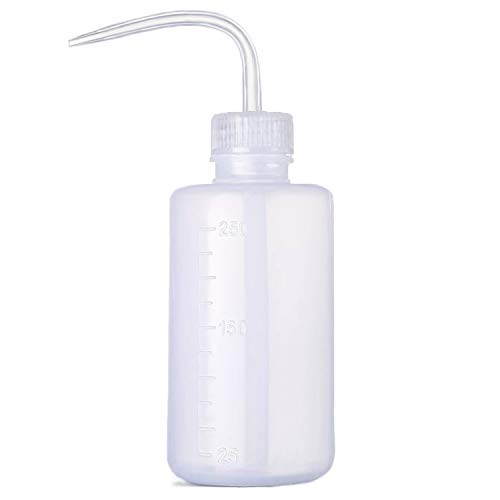
- 250 ml flexible squeeze bottle
- Narrow spout for targeted watering
- Scale marks show liquid volume
Best For: Seedlings and small indoor pots
Best Compact Dual-Flow Can

- 0.45-liter lightweight capacity
- Switches between mist and stream
- Compact for apartments and plant corners
Best For: Delicate seedlings and small indoor gardens
Best Larger-Capacity Can

- 1.8-liter capacity reduces refills
- Long spout reaches soil in corners
- Stream and soft-spray options
Best For: Multiple pots and crowded plant collections
Best with Extra Features

- Two compact 500 mL bottles
- Narrow bent nozzles target soil
- Includes 15 feet of wick cord
Best For: Seedlings, terrariums, and small indoor pots
Sturdy Everyday Pick

- 32-ounce capacity
- Extended spout targets soil
- Thick-walled, UV-stable plastic
Best For: Indoor and outdoor general-purpose watering
Versatile Choice

- 1.8-liter capacity
- Long spout plus shower head
- Lightweight with ergonomic handle
Best For: Mixed plant collections needing precise or gentle watering
Best Compact Pick – 15 oz Blue Seedling Watering Can
Watering Can for Seedlings, 15oz/0.45l (Blue) | Small Watering Can For House Plant Garden Flower
Check Price On AmazonFor gardeners who need watering cans for seedlings in a compact format, this 15-ounce plastic can is easy to handle around indoor plants, herbs, and balcony containers. Its spray head offers two watering modes, while the translucent body makes the water level easy to monitor.
Best For: Small indoor plants, seedlings, herbs, and balcony pots where a lightweight, low-effort watering tool is useful.
Pros:
- Compact 0.45-liter capacity suits small planting areas.
- Spray head provides adjustable watering for different plant needs.
- Soft plastic body is lightweight and comfortable to hold.
- Translucent design makes refilling easier to judge.
Cons:
- Small capacity may require frequent refills for larger collections.
- Plastic construction may be less decorative than metal options.
This is a practical choice when precise, lightweight watering matters more than capacity. The small profile is especially convenient for seedlings and plants kept on shelves or narrow balconies.
Best Precision Pick – Fiskars 40 oz Long-Spout Watering Can
When watering cans for seedlings need to reach through foliage without disturbing the soil, this Fiskars model uses a long, slender spout for targeted root watering. Its 40-ounce capacity, volume markings, and anti-drip tip make measured indoor watering straightforward.
Best For: Indoor seedlings and houseplants that need controlled watering around dense foliage or multiple small pots.
Pros:
- Long spout directs water toward roots and away from leaves.
- Translucent markings support more accurate dosing.
- Anti-drip tip helps reduce spills on floors and surfaces.
- Lightweight body uses 30% post-consumer recycled plastic.
Cons:
- Designed for indoor use, so it may not suit every outdoor watering task.
- Spout assembly needs to click securely into place for best performance.
Choose this can if accurate pouring and reach are priorities. The ergonomic shape and 1.2-liter capacity also make it useful for tending several small containers in one session.
Best Targeted Watering Pick – 17 oz Squeeze Bottle for Seedlings
This squeeze bottle is a focused option among watering cans for seedlings, using a narrow bent nozzle to direct a controlled stream onto soil. The flexible LDPE bottle is easy to squeeze, and its leak-resistant O-ring design is intended to prevent water and air leaks.
Best For: Seedlings, terrariums, succulents, crowded pots, and hard-to-reach soil spots where keeping leaves dry matters.
Pros:
- Bent, narrow nozzle improves aim around delicate or crowded plants.
- 500-milliliter size is manageable for tiny pots and indoor plants.
- Flexible LDPE body can be squeezed for controlled output.
- Leak-resistant O-ring helps prevent leaks from the lid.
Cons:
- Squeezing is required to dispense water.
- Its small capacity is less suitable for watering many plants.
- The O-ring must be correctly positioned before use.
For precision around seedlings, this bottle offers more directional control than a conventional open-spout can. It is particularly useful where a slow, targeted stream is preferable to broad watering.
Best Decorative Pick – 35 oz Stainless Steel Long-Spout Can
For shoppers who want watering cans for seedlings that can stay on display, this black stainless steel model combines a decorative look with a long, thin spout. Its 1,000-milliliter capacity provides more water than compact seedling bottles, while the wooden handle is designed for comfortable carrying.
Best For: Indoor seedlings, bonsai, houseplants, and gardeners who want a functional watering can that also complements a room or plant stand.
Pros:
- Long spout helps deliver water precisely in small spaces.
- Stainless steel construction is described as rust-, scratch-, and corrosion-resistant.
- Wooden handle provides a comfortable grip.
- Open-top design makes refilling convenient.
Cons:
- Metal construction is heavier than the compact plastic options.
- The decorative design may be more capacity than needed for a few seedlings.
This can is a strong fit when appearance and durable materials matter alongside controlled pouring. Its larger capacity is useful for several plants, while the narrow spout remains suitable for careful watering.
Best Precision Squeeze Bottle – Compact Seedling Watering
For watering cans for seedlings, precise delivery can matter more than capacity. This 250 ml squeeze bottle has a narrow bent spout and flexible polyethylene body, helping direct a controlled amount of water to the soil around small plants without wetting the leaves.
Best For: Seedlings, succulents, African violets, orchids, cactus, and other small indoor pots.
Pros:
- Narrow mouth supports targeted watering at the plant base.
- Flexible, lightweight bottle is easy to squeeze and handle.
- Visible scale marks help monitor the amount delivered.
- Sealing cap is designed to reduce leaks and drips.
Cons:
- Small 250 ml capacity requires frequent refilling for multiple plants.
- Manual squeezing may be less convenient than using a traditional can.
This is a focused choice for gardeners who want maximum control around delicate seedlings and compact pots. Its small capacity is a limitation, but also keeps the bottle lightweight and precise.
Best Compact Dual-Flow Can – Blue Seedling Watering Can
Eurysman Precision Spout 0.45L Watering Can – Perfect for Delicate Seedlings - Potted Plants - Blue
Check Price On AmazonAmong watering cans for seedlings, this compact 0.45-liter model offers two flow options in one spray head. Switch between a gentle mist and a targeted stream to match the needs of tiny sprouts, herbs, and established houseplants.
Best For: Delicate seedlings, houseplants, herbs, and small apartment or balcony gardens.
Pros:
- Dual mist-and-stream function provides flexible watering control.
- 0.45-liter capacity keeps the can lightweight and easy to hold.
- Compact size fits small plant corners and apartments.
- Suitable for both beginners and experienced gardeners.
Cons:
- Smaller capacity may mean more refills when watering several plants.
- The supplied notes do not specify a long spout or additional flow controls.
This blue watering can is a practical middle ground between a fine misting tool and a conventional small can. Its compact capacity suits precision-focused indoor care, though larger collections may need repeated fills.
Best Larger-Capacity Can – Long-Spout Seedling Watering
For watering cans for seedlings when you need to reach into crowded pots, this 1.8-liter plastic can combines a long spout with a detachable shower head. The direct stream or soft spray options let you adjust delivery while the larger capacity reduces refill trips.
Best For: Several indoor plants, seedlings in deeper or crowded pots, flowers, and small garden collections.
Pros:
- Long spout reaches corners and delivers water directly to the soil.
- Detachable shower head switches between stream and soft spray.
- 1.8-liter capacity supports several pots per fill.
- Thick-walled plastic is designed to resist falls, compression, and aging.
Cons:
- Larger than the compact 0.45-liter option and may be less suited to very small spaces.
- At full capacity, it may require more effort to carry than a squeeze bottle.
- The shower head must be detached or switched for different watering styles.
This is the most versatile option for gardeners balancing seedling precision with capacity. Its long spout and interchangeable flow make it useful for mixed plant collections, while the plastic construction supports regular use.
Best with Extra Features – Twin Squeeze Watering Bottles
For seedlings and other tiny plants, these compact squeeze bottles make it easier to direct water precisely without soaking surrounding leaves. Their narrow, bent nozzles are suited to crowded pots, terrariums, and hard-to-reach soil.
Best For: Seedlings, succulents, terrariums, and small indoor pots that need controlled watering.
Pros:
- Includes two 500 mL LDPE squeeze bottles.
- Long, narrow, bent nozzles help aim water at the soil.
- Designed for slow, low-mess watering with no after-drips.
- Includes 15 feet of self-watering wick cord.
Cons:
- The small capacity requires refilling for larger plant collections.
- The squeeze-bottle design is less suitable for broad outdoor beds.
This is a practical choice when precise delivery matters more than capacity. The included wick cord also adds flexibility for keeping small plants watered while you are away.
Sturdy Everyday Pick – Emerald Green Long-Spout Can
This 32-ounce plastic can offers a straightforward option for watering seedlings and household plants without carrying a large container. Its extended spout helps place water directly at the soil, including in tighter spaces.
Best For: Indoor and outdoor gardeners who want a durable, medium-capacity can for seedlings and general plant care.
Pros:
- 32-ounce capacity reduces frequent faucet trips.
- Long spout targets soil and helps limit mess.
- Thick-walled plastic is described as impact-resistant and UV-stable.
- Semi-open design makes filling under taps or from buckets easier.
Cons:
- It does not include a detachable shower head or alternate watering mode.
- Its larger size may provide less fine control than a squeeze bottle for very small seedlings.
Choose this can if you want a reusable, general-purpose tool with more capacity than a seedling mister or squeeze bottle. The long spout makes targeted root watering practical indoors or outside.
Versatile Choice – 60 oz Dual-Mode Watering Can
When seedlings need either targeted root watering or a gentler spread, this 1.8-liter can provides two delivery options. Use the long spout for direct placement, or attach the shower head for a finer watering pattern.
Best For: Plant owners caring for seedlings alongside hanging baskets, bonsai, tabletop plants, and other small collections.
Pros:
- Detachable shower head offers a second watering mode.
- Long spout reaches into plants without spilling.
- 1.8-liter capacity helps reduce refill trips.
- Ergonomic handle and lightweight construction support easy handling.
Cons:
- The 1.8-liter size may be more capacity than needed for only a few seedlings.
- The detachable shower head adds a part to store and switch between modes.
This is the most adaptable option of the three for gardeners who want one can for both precise and gentle watering. Its larger capacity is useful for several pots, while the removable shower head adds flexibility as plants grow.
How We Picked These Watering Cans for Seedlings
We focused on the features that matter most when watering young plants: flow control, spout precision, manageable capacity, reach, handling, and suitability for indoor use. The selection includes narrow-spout cans for directing water around delicate stems, squeeze bottles for highly targeted watering, and larger options for gardeners who want fewer refills.
Because product designs vary, check the current listing for exact dimensions, materials, included accessories, and care instructions before buying. Capacity is listed in the product names where provided, but usable comfort depends on the container’s shape and how full you plan to carry it.
Quick Comparison
| Type | Best For | Main Advantage | Potential Trade-Off |
|---|---|---|---|
| Precision-spout can | Seedling trays and small pots | Controlled, directed flow | Smaller capacity |
| Squeeze watering bottle | Indoor plants and tight spaces | Very targeted application | Requires repeated squeezing |
| Compact 0.45–0.48 gallon can | Several pots or a small shelf | Good balance of capacity and control | Less portable than a bottle |
| Metal long-spout can | Houseplants, bonsai, and display areas | Reach and attractive styling | May need more care to prevent corrosion |
| Large 60-ounce can | Multiple plants or raised beds | Fewer refills | Heavier when full |
Key Buying Factors for Watering Cans for Seedlings
Flow Control and Spout Design
Look for a narrow, tapered spout that lets you place water beside the stem rather than directly onto fragile leaves or loose potting mix. A controlled stream is usually preferable to a broad pour for seed trays. Some squeeze bottles provide even finer placement, although they can deliver water more slowly.
Capacity and Weight
Small 15-ounce to 17-ounce containers are easy to maneuver around crowded trays and windowsills. Around 0.45 to 0.48 gallons offers a useful middle ground for several pots. Larger cans reduce trips to the sink but become tiring if your seedlings require frequent, careful watering.
Reach, Balance, and Filling
A long spout helps reach plants behind other pots without knocking them over. Choose a handle that leaves room for your hand and keeps the can balanced as the water level changes. Also check whether the opening is wide enough for easy filling and cleaning.
Material and Maintenance
Plastic is generally light and practical for routine indoor watering. Stainless steel can look more polished and may feel sturdier, but it should be emptied and dried as recommended. For any model, rinse away fertilizer residue and store it where the spout will not be damaged.
Who Should Buy Which Watering Cans for Seedlings?
- For delicate seedling trays: Choose a precision-spout 15-ounce or 0.45-liter can for controlled, low-volume watering.
- For crowded indoor shelves: A squeeze bottle or compact long-spout can makes it easier to reach individual containers.
- For several houseplants: Consider a 35-ounce, 40-ounce, or 0.48-gallon model to balance reach and refill frequency.
- For larger collections: A 60-ounce can is convenient if you can comfortably carry it when full.
- For automatic-assist watering: The two-pack with self-watering wick cords may suit gardeners who want supplemental moisture between visits, while still checking plants regularly.
- For a decorative display: A metal long-spout design can combine practical reach with a more finished appearance.
For most beginners, prioritize a comfortable grip and controllable spout over maximum capacity. The best watering can for seedlings is the one you can aim accurately, carry without strain, and clean easily after each use.