Splitting firewood by hand can turn a routine seasonal chore into a demanding, time-consuming job. The right hydraulic log splitter can reduce physical strain while making your firewood workflow faster and more consistent.
This roundup includes electric, gas-powered, towable, and manual hydraulic models ranging from compact home-use machines to higher-capacity splitters for larger logs and heavier workloads.
Best 10 Hydraulic Log Splitters Picks for 2026
Heavy-Duty Gas Power
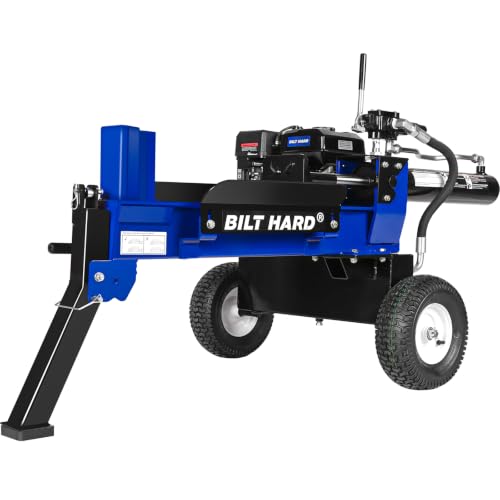
- 22 tons of hydraulic splitting force
- 7-second cycle with 14 GPM pump
- 21-inch capacity and towable wheels
Best For: Large firewood tasks on farms and properties
Compact Home Helper

- 15-amp motor with 6.5 tons of force
- Handles logs up to 20 inches long
- Compact 101-pound portable design
Best For: Light-duty household firewood preparation
Fuel-Free Control

- 12 T of manual hydraulic force
- No gas, oil, cords, or exhaust emissions
- Built-in wheels and two-speed handles
Best For: Moderate logs and low-maintenance outdoor use
Ergonomic Electric Versatility
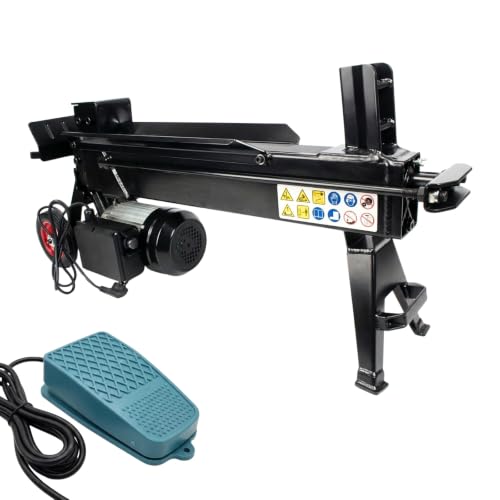
- 3HP motor with 7 tons of force
- Foot pedal helps reduce back strain
- 22-inch bed and bonus four-way wedge
Best For: Comfort-focused home splitting and kindling
Heavy-Duty Towable Pick

- 209cc gas engine with 27-ton class force
- Horizontal and vertical operation
- Towable frame with 16-inch DOT tires
Best For: Large rounds, high-volume work, and users needing towable gas power
Simple Manual Option
10-Ton Portable Hydraulic Log Splitter

- Manual 10-ton hydraulic force
- Handles logs up to 18 inches long
- Wheels and transport handle aid movement
Best For: Moderate home or cabin firewood work without gas or electricity
Clean Home Power Pick

- 14-ton force with a 15-amp motor
- Handles logs up to 20 inches long
- 120V operation with two-stage hydraulics
Best For: Home firewood preparation near a standard household outlet
Best Manual Value

- 12 tons of force for logs up to 18.7 inches long
- Quiet, fuel-free manual operation
- Built-in wheels and spring-loaded ram
Best For: Quiet residential firewood preparation
Best for High-Volume Work
BILT HARD 18-Ton Gas Log Splitter

- 18 tons of force from a 7HP gas engine
- 7.5-second cycle for faster processing
- Handles logs up to 20 inches by 16 inches
Best For: Large outdoor firewood workloads
Best Electric Option
16-Ton Electric Hydraulic Log Splitter

- 16 tons of force for logs up to 20.5 inches long
- Quiet, exhaust-free 1600W operation
- Automatic return and overload protection
Best For: Residential splitting near electrical power
Heavy-Duty Gas Power – 22-Ton BILT HARD
For demanding hydraulic log splitter work, the BILT HARD 22 Ton model combines a 209cc gas engine with a 14 GPM two-stage pump. Its 21-inch capacity and horizontal design make it a practical choice for processing hardwood and seasoned firewood around a home or farm.
Best For: Homeowners, farms, and outdoor users who need high splitting force and gas-powered mobility.
Pros:
- 22 tons of force for hardwood and seasoned firewood
- Fast 7-second cycle time with a 14 GPM two-stage pump
- Handles logs up to 21 inches and includes 13-inch wheels
- Rugged steel frame designed for towing up to 25 MPH
Cons:
- At 274 pounds, it is considerably heavier than the electric and manual alternatives
- Gas operation requires fuel and outdoor use
This is the performance-focused option in the group. Choose it when maximum force, a quick cycle, and the ability to move the splitter around a larger property matter more than compact weight.
Compact Home Helper – PowerSmart 6.5-Ton Electric
The PowerSmart 6.5-ton electric hydraulic log splitter is designed for light-duty home use. Its 15-amp induction motor, compact footprint, and 20-inch log capacity offer a convenient alternative to manual splitting without the fuel demands of a gas model.
Best For: Home users processing smaller batches of logs near a suitable electrical outlet.
Pros:
- 15-amp induction motor and 6.5 tons of hydraulic force
- Handles logs up to 20 inches long and 10 inches in diameter
- Compact 101-pound design with wide rear wheels
- Includes a two-year warranty and dedicated customer service
Cons:
- Its light-duty design is less suited to demanding or high-volume work
- Requires access to electrical power
- 20-second cycle time is slower than the gas model listed here
PowerSmart prioritizes straightforward home operation and portability. It is a sensible fit for occasional firewood preparation when compact storage and electric convenience are more important than maximum throughput.
Fuel-Free Control – GarveeTech 12-Ton Manual
The GarveeTech 12 T manual hydraulic log splitter delivers substantial splitting force without gasoline, oil, or electrical cords. Its two-speed operation, long handles, and built-in wheels make it a practical low-maintenance option for logs up to 18.7 inches long and 8 inches in diameter.
Best For: Users seeking an emissions-free splitter for moderate logs and flexible outdoor use.
Pros:
- 12 T manual hydraulic force without gas, oil, or cords
- Two-speed operation and 37-inch handles reduce required effort
- Built-in wheels help with transport across grass, dirt, and uneven terrain
- Steel construction and spring-loaded ram return support convenient operation
Cons:
- Manual operation requires user effort for every split
- Log capacity is limited to 18.7 inches in length and 8 inches in diameter
- No powered cycle-time advantage for larger workloads
This model stands out for simple, quiet, and fuel-free operation. It makes the most sense when avoiding engines and cords is a priority and your firewood dimensions fit its more modest capacity.
Ergonomic Electric Versatility – 7-Ton Plus Version
This 7-ton electric hydraulic log splitter adds convenience-focused features to a compact design. A foot pedal, 22-inch splitting bed, automatic ram return, and included four-way cross wedge make it appealing for users who want flexible firewood sizing and less bending during operation.
Best For: Home users who value ergonomic controls, longer log capacity, and rapid kindling production.
Pros:
- 3HP motor and 7 tons of hydraulic splitting force
- Foot pedal enables one-handed lever operation with less back strain
- Includes standard and tool-free-swap four-way cross wedges
- Handles logs up to 22 inches with an 18-second cycle time
Cons:
- Requires electrical power during use
- 7-ton force is below the capacity of the 22-ton gas model
- Additional wedge features may be unnecessary for simple splitting tasks
The Plus Version is the feature-rich electric choice here. Its foot control and cross wedge are particularly useful when comfort and kindling output are priorities, while the 22-inch bed accommodates longer logs than many compact splitters.
Heavy-Duty Towable Pick – 27-Ton Gas Log Splitter
For demanding firewood work, this hydraulic log splitter combines a 209cc gas engine, 27-ton class splitting force, and a two-stage pump. Its towable frame and horizontal or vertical operation make it practical for moving between work areas and handling large rounds.
Best For: Property owners processing large or heavy logs who want a towable gas-powered splitter.
Pros:
- Horizontal and vertical modes reduce the need to lift heavy rounds.
- Handles logs up to 24 inches long with a stated 13-second cycle.
- Includes 16-inch DOT tires, a 2-inch ball coupler, safety chains, and a 6-gallon hydraulic reservoir.
- Supplied with hydraulic oil and engine oil for startup.
Cons:
- At 494 pounds, it is substantially heavier than portable manual or electric alternatives.
- Gas-engine operation requires fuel and engine maintenance.
- Its towable design is more equipment than some occasional users may need.
This is the most capable choice of the three for high-volume or oversized-log work. Choose it when towing convenience, vertical splitting, and gas-powered output matter more than compact storage or low-maintenance operation.
Simple Manual Option – 10-Ton Portable Hydraulic Log Splitter
This compact hydraulic log splitter provides 10 tons of manual splitting force without gas, electricity, fuel, or cords. Its dual-handle design, wheels, and support legs suit routine firewood work around a home, cabin, or small outdoor workspace.
Best For: Homeowners who split common-size firewood and prefer a quiet, manually powered tool.
Pros:
- Requires no engine, gasoline, electrical outlet, or extension cord.
- Accepts logs up to 18 inches long and 6.5 inches in diameter.
- Large wheels and a front transport handle help with repositioning.
- Steel construction and a reinforced wedge are intended for repeated firewood splitting.
Cons:
- Manual two-handle operation is slower and more labor-intensive than powered models.
- The 10-ton capacity is better suited to common firewood sizes than very large rounds.
- It requires the operator to build hydraulic pressure by hand.
With a 99-pound frame and no external power requirements, this splitter is the straightforward portability pick. It makes sense for moderate workloads where avoiding fuel, exhaust, and electrical setup is a priority.
Clean Home Power Pick – 14-Ton Electric Log Splitter
For convenient home firewood preparation, this hydraulic log splitter uses a 15-amp, 1800W motor and two-stage pump to deliver up to 14 tons of force. It runs on standard 120V household power and avoids gasoline, engine maintenance, and exhaust emissions.
Best For: Homeowners with household power available who want powered splitting for fireplace, stove, or cabin firewood.
Pros:
- 14 tons of force handles logs up to 20 inches long and 16 inches in diameter.
- Electric operation eliminates gasoline, engine maintenance, and exhaust.
- Two-hand operation, overload protection, and a support leg add practical safety features.
- 10-inch transport wheels and a moving handle support repositioning around the property.
Cons:
- It must be used near a 120V household power source.
- At 133.3 pounds, it is less portable than the manual model.
- It is not a towable splitter for remote woodlot work.
This electric model balances useful capacity with cleaner, lower-maintenance operation. It is a strong middle-ground choice for seasonal firewood processing when you have access to household power and do not need a towable gas machine.
Best Manual Value – 12-Ton Hydraulic Log Splitter
This 12-ton manual hydraulic log splitter is a practical choice for homeowners who want to prepare firewood without gasoline, electrical cords, or engine noise. Its steel frame, two-speed control, and 18.7-inch log capacity suit smaller-scale splitting around a backyard, farm, or homestead.
Best For: Quiet, fuel-free firewood preparation and users who value portability over powered operation.
Pros:
- 12 tons of hydraulic force handles logs up to 18.7 inches long and 8 inches thick.
- Manual operation produces no exhaust, fuel costs, or electrical-cord concerns.
- Built-in wheels and a spring-loaded ram support convenient movement and quicker resets.
- Heavy-duty steel construction is designed for repeated seasonal use.
Cons:
- Manual operation is slower and more labor-dependent than gas or electric models.
- Its stated capacity is smaller than the capacities of the other splitters in this roundup.
- At 97.4 pounds, moving it over uneven ground may still require effort.
Choose this model if quiet, clean operation and simple transport matter most. It is less suited to high-volume work or especially large logs, but its straightforward design can be appealing for routine residential firewood prep.
Best for High-Volume Work – BILT HARD 18-Ton Gas Log Splitter
For demanding firewood workloads, this BILT HARD hydraulic log splitter combines 18 tons of force with a 7HP 209cc gas engine and a 7.5-second cycle time. Its full-beam steel wedge and large tires are aimed at users who need portable performance away from electrical outlets.
Best For: High-volume outdoor splitting and tougher, larger logs up to 20 inches long and 16 inches in diameter.
Pros:
- 18-ton splitting force and a 7HP, 209cc OHV engine provide substantial power.
- Fast 7.5-second cycle time supports efficient firewood processing.
- Handles logs up to 20 inches long and 16 inches in diameter.
- 10-inch heavy-duty tires and a portable full-beam design aid transport.
Cons:
- Hydraulic fluid and engine oil are not included.
- Gas-powered operation produces exhaust and requires outdoor use in a well-ventilated area.
- At 146 pounds, it is heavier to move than the manual model.
This is the strongest performance-oriented option in the group for users who prioritize speed, capacity, and independence from power outlets. Factor in fuel, fluids, ventilation, and the heavier frame before choosing it for home use.
Best Electric Option – 16-Ton Electric Hydraulic Log Splitter
This 16-ton electric hydraulic log splitter offers a middle ground between manual simplicity and gas-powered output. Its 1600W motor, 20.5-inch log capacity, and horizontal full-beam design make it suitable for substantial residential firewood work where an electrical connection is available.
Best For: Cleaner, quieter splitting near a suitable power source, including larger logs up to 20.5 inches long and 16 inches in diameter.
Pros:
- 16-ton hydraulic system handles logs up to 20.5 inches long and 16 inches in diameter.
- Electric operation avoids gasoline and exhaust while running at a stated 65dB.
- Automatic ram return and an 18-second cycle help maintain a steady workflow.
- Overload and temperature protection help guard the motor during demanding use.
Cons:
- Requires access to electrical power, limiting use away from outlets.
- Its 18-second cycle is slower than the listed gas model’s 7.5-second cycle.
- At 124 pounds, it may be cumbersome to reposition frequently.
Consider this model when you want more capacity than a manual splitter without the exhaust and fuel handling of a gas unit. Its electrical dependence makes it less flexible for remote woodlots, but the quieter operation and built-in protection suit many residential settings.
How We Picked These Hydraulic Log Splitters
We compared the selected models by splitting force, power source, log capacity, portability, operating format, and intended workload. We also considered practical details such as horizontal or vertical operation, wheel design, hydraulic pump configuration, return speed, controls, and whether the machine is better suited to occasional household use or frequent firewood processing.
Because specifications vary across electric, gas, and manual designs, the highest tonnage is not automatically the best choice. A compact electric splitter may be more convenient for a homeowner, while a gas-powered towable unit can be the better fit for large rounds, remote work, or high-volume splitting.
Quick Comparison
- Best for heavy workloads: Choose a 22- or 27-ton gas model when you regularly split large or knotty rounds.
- Best for typical homeowners: A 6.5- to 16-ton electric splitter offers quieter operation and simpler startup for manageable logs.
- Best for portability: Look for built-in wheels, a compact frame, or a towable design depending on how far the splitter must travel.
- Best for occasional use: Manual hydraulic models can provide useful leverage without fuel, electrical cords, or engine maintenance.
Key Buying Factors for Hydraulic Log Splitters
Splitting Force and Log Size
Rated tonnage indicates the machine’s maximum hydraulic pushing force, but wood species, moisture, knots, and grain direction also affect performance. Check the stated log-length and diameter limits, and choose additional capacity if you routinely process hardwood or irregular rounds.
Power Source
Electric models are generally quieter, easier to start, and convenient near a suitable outlet. Gas splitters offer greater mobility and are often better for demanding work, but they require fuel, engine maintenance, ventilation, and more storage space. Manual hydraulic units avoid both fuel and electricity, though they require more operator effort and usually work best at a slower pace.
Horizontal, Vertical, or Both
Horizontal operation works well for smaller rounds that are easy to lift. Vertical capability can reduce lifting when handling heavy pieces. Dual-position machines provide more flexibility if log sizes vary throughout the season.
Portability and Setup
Consider wheel quality, frame weight, handles, towability, cord length, and storage requirements. A powerful splitter that is difficult to move may be less useful than a lighter model that can be positioned safely and conveniently.
Safety and Maintenance
Prioritize stable footing, accessible controls, hand protection, and clear operating instructions. Keep hands away from the wedge and ram, use eye and hearing protection as appropriate, and follow the manufacturer’s limits. Gas engines need oil and fuel care, while electric and manual models still require hydraulic-fluid checks and general inspection.
Who Should Buy Which Hydraulic Log Splitters?
Choose a compact electric splitter if you prepare moderate amounts of firewood at home and value quiet, low-maintenance operation. Choose a higher-force electric model if you want household convenience but regularly encounter larger or tougher rounds.
Choose a gas-powered splitter for frequent cutting, larger logs, hardwood, or work away from electrical outlets. A towable model is especially useful when transporting the machine between locations. Choose a manual hydraulic splitter when portability, low operating cost, and occasional use matter more than speed or maximum capacity.