The right soil temperature can make the difference between quick germination and seeds that struggle to sprout. A reliable thermometer helps gardeners know when conditions are ready for planting, transplanting, or compost management.
We’ve selected 10 soil thermometers covering everyday garden beds, seed-starting trays, raised beds, worm bins, and deep compost piles. Use the guide below to compare probe length, readability, temperature range, and the features that matter most.
Best 10 Soil Thermometers Picks for 2026
Classic Stainless Steel Pick
5-Inch Analog Soil Thermometer
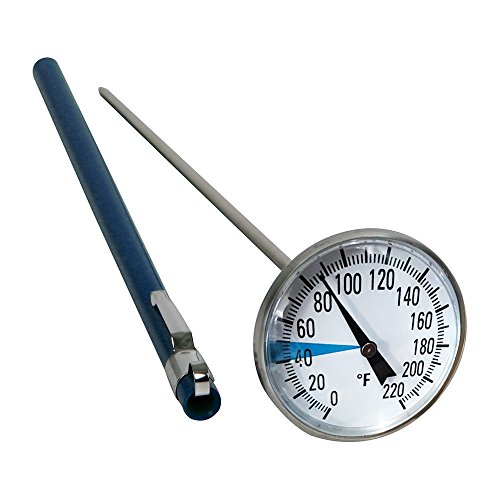
- Large 1.5-inch glass-covered dial
- 5-inch stainless steel stem
- 0-220°F range with no external power
Best For: Routine soil and compost checks in gardens, pots, and planting beds
Planting Guidance Pick
Taylor Soil Thermometer for Seed Starting
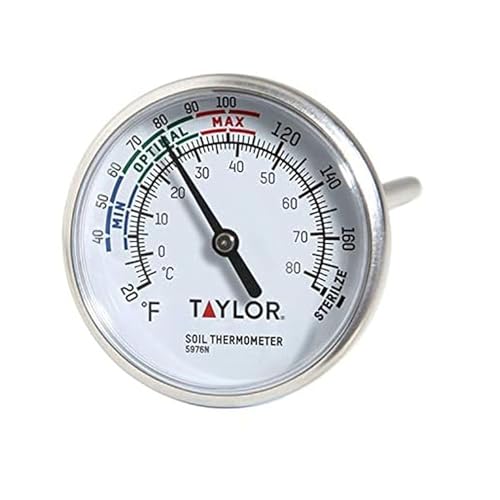
- Dial marks optimal planting zones
- 4-inch stainless steel stem
- Includes clip for pots and planters
Best For: Seed germination and planting decisions across beds, containers, and greenhouses
Deep-Probe Classic
K82-3 Waterproof Soil Thermometer
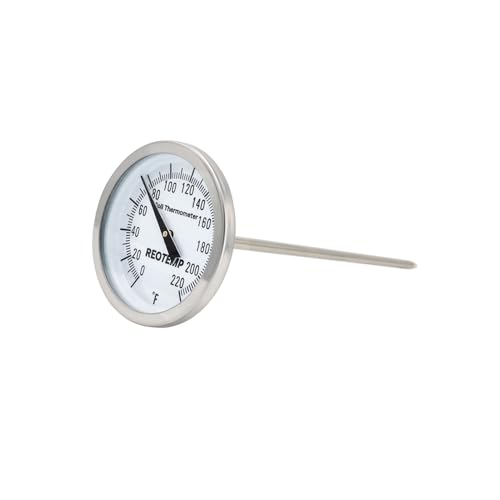
- 5-inch 304 stainless steel stem
- Waterproof for easier cleaning
- Large 2-inch 0-220°F dial
Best For: Deeper soil checks during seeding, transplanting, and garden maintenance
Compost Management Pick
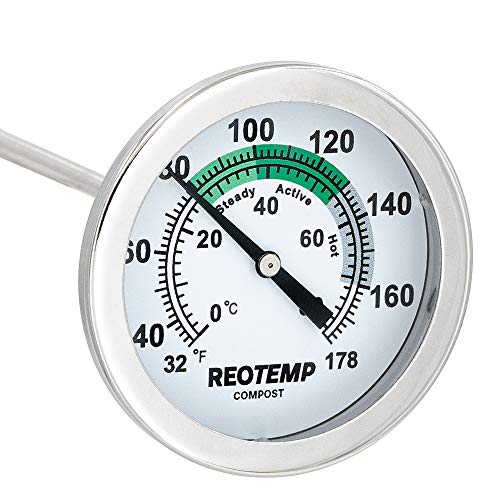
VIVOSUN 20-Inch Compost Thermometer

- 19.7-inch stem reaches deep piles
- Three color-coded compost zones
- IP55 lens helps resist moisture and fogging
Best For: Monitoring temperature inside backyard compost bins and large piles
Best Greenhouse Pick
Durable Analog Soil Thermometer
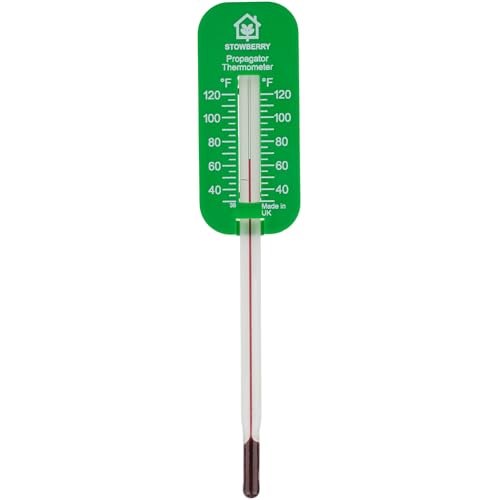
- Clear analog temperature scale
- Durable plastic case
- Useful for seeds and propagation
Best For: Greenhouse growers and home gardeners
Best for Composting
12-Inch Digital Soil Thermometer
- 12-inch stem for deeper readings
- Digital display with fast response
- Includes composting guide
Best For: Compost bins, tumblers, and deeper soil
Best for Worm Bins
Color-Coded Stainless Steel Thermometer

- Easy-to-read color zones
- 5-inch stainless steel stem
- Waterproof and reusable
Best For: Worm bins and everyday garden checks
Best Two-Pack Value

- Two stainless steel thermometers
- Waterproof analog Fahrenheit/Celsius dials
- Includes protective storage case
Best For: Home gardeners who want a spare or simultaneous readings
Best for Deep Compost Piles

- Long 16-inch stainless steel stem
- Waterproof design for wet compost and soil
- Clear 0–180°F analog dial
Best For: Deep compost piles and below-surface soil checks
Best All-Around Garden Pick
- 304 stainless steel waterproof stem
- Battery-free sealed analog dial
- Fits beds, containers, and compost bins
Best For: Routine temperature checks in home gardens
Classic Stainless Steel Pick – 5-Inch Analog Soil Thermometer
This stainless steel soil thermometer is a straightforward choice for checking planting conditions in garden soil, pots, and compost. Its analog dial needs no external power, while the 5-inch stem is designed for practical subsurface readings.
Best For: Gardeners who want a durable, easy-to-read soil thermometer for indoor and outdoor planting.
Pros:
- Large 1.5-inch, glass-covered dial is easy to read.
- 5-inch stainless steel stem supports deeper soil measurements.
- Wide 0-220°F range suits soil and compost monitoring.
- Analog design requires no external power.
Cons:
- Provides Fahrenheit readings only according to the supplied specifications.
- Requires manual reading rather than digital display convenience.
With its rugged construction, broad temperature range, and simple analog operation, this model is a practical all-purpose option for routine soil temperature checks.
Planting Guidance Pick – Taylor Soil Thermometer for Seed Starting
The Taylor soil thermometer is built for gardeners who want temperature readings with clear planting guidance. Its analog dial marks minimum, maximum, and optimal zones, helping you judge when soil is suitable for germination and planting.
Best For: Seed starting, vegetable gardens, raised beds, greenhouses, and container plantings.
Pros:
- Dial includes marked planting and germination temperature zones.
- 4-inch stainless steel stem inserts at least 2 inches below the surface.
- Measures from 20°F to 180°F.
- Includes a stem clip for planters and pots.
Cons:
- Its 2-inch stated immersion depth is shallower than some longer-stem models.
- Analog display does not provide digital readout convenience.
The built-in temperature zones make this a particularly accessible choice for gardeners who want more context than a number alone when timing planting tasks.
Deep-Probe Classic – K82-3 Waterproof Soil Thermometer
The K82-3 is a deep-probe soil thermometer for seeding, transplanting, and general garden temperature measurement. Its 5-inch stem and 0-220°F dial make it useful when you need to check conditions farther below the soil surface.
Best For: Gardeners who prioritize a long probe, waterproof construction, and a broad Fahrenheit range.
Pros:
- 5-inch corrosion-resistant 304 stainless steel stem.
- Waterproof design supports easy cleaning.
- Large 2-inch dial is easy to read.
- Factory calibrated and ready to use.
Cons:
- Supplied specifications list a 1-second response time, so readings may not be immediate.
- Hand-wash-only care may require extra attention.
This model combines a long stem with a durable stainless steel body, making it a solid fit for deeper checks during planting and transplanting work.
Compost Management Pick – VIVOSUN 20-Inch Compost Thermometer
The VIVOSUN compost thermometer is designed for reaching into the center of deep compost piles, where temperature is most useful for tracking activity. Its 19.7-inch stainless steel stem and color-coded dial help make compost conditions easier to interpret.
Best For: Backyard composters managing large bins or piles, especially beginners who want clear temperature zones.
Pros:
- 19.7-inch stem reaches deep into compost piles.
- Dial uses three colored zones for steady, active, and hot conditions.
- IP55 waterproof lens is sealed to help prevent moisture and fogging.
- Stainless steel construction is designed for long-lasting outdoor use.
Cons:
- Its long probe is less convenient for small pots or shallow garden beds.
- Recommended readings require waiting 3-5 minutes.
- Temperature range tops out at 200°F rather than 220°F.
For composting, the extra-long probe is the defining advantage: it can sample the pile’s interior while the color-coded dial provides quick context for beginners.
Best Greenhouse Pick – Durable Analog Soil Thermometer
This compact soil thermometer is a practical choice for checking growing conditions in gardens, propagators, and greenhouses. Its analog display is designed for quick readings when sowing seeds, preparing soil, or monitoring plants.
Best For: Gardeners and greenhouse growers who want a simple reusable thermometer for seed starting and propagation.
Pros:
- Designed for accurate soil temperature readings.
- Durable plastic case for repeated use.
- Clear analog scale is easy to read.
- Compact 6-inch length suits routine garden checks.
Cons:
- Analog display may be less convenient for users who prefer digital readings.
- Its shorter length may be less suitable for deep compost piles.
With its straightforward design and reusable construction, this model is a sensible everyday option for gardeners focused on soil temperature during planting and propagation.
Best for Composting – 12-Inch Digital Soil Thermometer
This 12-inch digital soil thermometer is built for checking temperatures deeper in soil, compost bins, and tumblers. Its stainless steel construction, waterproof and dust-proof design, and included digital composting guide make it particularly useful for compost management.
Best For: Beginner composters and gardeners who need deeper temperature measurements in smaller piles, bins, or soil.
Pros:
- 12-inch stem reaches deeper into soil and compost.
- Digital display provides quick readings with a stated 500-millisecond response time.
- Corrosion-resistant 304 stainless steel case and bezel.
- Includes a digital composting guide.
Cons:
- Longer stem may be more than needed for shallow garden beds.
- Requires wiping clean after use to maintain the probe.
This is the most specialized option in the group for compost temperature monitoring, especially if you value a deeper probe and digital readout over a compact garden format.
Best for Worm Bins – Color-Coded Stainless Steel Thermometer
Urban Worm Soil Thermometer - 5-in Stainless Steel Stem - Perfect for Gardening & Worm Bin
Check Price On AmazonThis color-coded soil thermometer is designed for quick monitoring in gardens and worm bins. Its 5-inch stainless steel stem reaches a practical depth, while the green, yellow, and red markings make it easy to assess conditions for worms.
Best For: Worm-bin owners and gardeners who want a simple visual way to monitor temperatures between 55°F and 90°F.
Pros:
- Color-coded tick marks support quick visual checks.
- 5-inch stainless steel stem reaches into soil and worm compost.
- Waterproof design is suited to outdoor use.
- Reusable analog thermometer is easy to wipe clean.
Cons:
- The stated temperature range is narrower than that of general-purpose models.
- Analog markings may offer less precision than a digital display.
For worm composting, the simple color zones and targeted 55°F–90°F range make this a focused, easy-to-use monitoring tool rather than a broad-range soil thermometer.
Best Two-Pack Value – 5-Inch Soil Thermometers
For gardeners who want a practical set of soil thermometers, this two-pack offers 5-inch stainless steel probes for checking garden soil or compost. The waterproof analog dials show Fahrenheit and Celsius readings, while the included case helps keep the thermometers protected between uses.
Best For: Home gardeners who want two reusable thermometers for routine soil and compost monitoring.
Pros:
- Includes two 5-inch stainless steel thermometers.
- Waterproof construction is suited to outdoor use.
- Clear analog dial displays Fahrenheit and Celsius.
- Includes a protective storage case.
Cons:
- The 5-inch immersion depth may be limiting for larger or deeper compost piles.
- Analog readings require waiting for the temperature to stabilize.
This is a useful choice when having a spare thermometer matters or when you want to monitor two areas at once. Its compact probe length fits common garden beds and composting tasks, while the case adds convenient storage.
Best for Deep Compost Piles – 16-Inch Soil Thermometer
This long-stem soil thermometer is designed for reaching deeper into compost piles and soil than standard garden models. Its 16-inch stainless steel probe, waterproof construction, and 0–180°F analog scale make it suited to monitoring compost conditions and planting areas.
Best For: Gardeners and composters who need to measure temperatures well below the surface.
Pros:
- 16-inch stem reaches deep compost and soil layers.
- Waterproof stainless steel construction is designed for outdoor use.
- Large dial with clear markings is easy to read.
- Measures from 0–180°F and is reusable.
Cons:
- The long stem may be cumbersome in small containers or shallow raised beds.
- The stated response time is about 10 minutes.
Choose this model when depth is the priority. It can help identify temperature differences within a compost pile, though a shorter probe may be more convenient for everyday container gardening.
Best All-Around Garden Pick – 5-Inch Soil Thermometer
Among soil thermometers for everyday gardening, this 5-inch model balances reach and convenience. Its 304 stainless steel stem is waterproof, the sealed analog dial works without batteries, and the scale covers 0–180°F with Fahrenheit and Celsius markings.
Best For: Raised beds, containers, backyard compost bins, seed starting, and general garden monitoring.
Pros:
- 5-inch probe suits home gardens and compost bins.
- Large 1.77-inch dial is designed for easy reading.
- Waterproof, sealed construction requires no batteries.
- Reinforced dial-to-stem connection supports repeated use.
Cons:
- Readings may take about 10 minutes to stabilize.
- The 5-inch stem is less suitable for very deep compost piles.
This is the most versatile option of the three for routine home use. It offers a manageable probe length for beds and containers while retaining the durability and moisture resistance needed for compost and outdoor soil.
How We Picked the Best Soil Thermometers
We focused on thermometers designed for direct soil or compost measurement, prioritizing practical features rather than unnecessary extras. The selection includes compact 5-inch probes for seed beds and containers, longer models for compost piles and bins, and both analog and digital-style options.
Our comparison considers probe construction, waterproofing, dial or display readability, temperature range, ease of insertion, and suitability for specific tasks. Stainless steel stems are especially useful because they resist corrosion and are easy to clean after use.
Quick Comparison
- Short probes: Best for seed trays, pots, propagators, and shallow garden beds.
- Medium probes: A versatile choice for planting, transplanting, and general outdoor gardening.
- Long probes: Better for compost bins, deep piles, and checking temperatures below the surface.
- Analog models: Simple, battery-free, and easy to leave in place for a quick reading.
- Digital or dual-scale models: Helpful when you want precise readings or both Fahrenheit and Celsius.
Key Buying Factors for Soil Thermometers
Probe Length
Choose a probe that reaches the root zone or the center of the compost material you need to test. A 5-inch stem is generally adequate for trays and small containers, while compost piles often require 12 to 20 inches.
Temperature Range
For gardening, a range beginning near freezing and extending to at least 150 degrees Fahrenheit covers most planting and seed-germination needs. Compost thermometers should handle higher temperatures, particularly during active decomposition.
Readability and Accuracy
Large dials are useful outdoors, especially when you need to read the thermometer while kneeling in a garden bed. Dual Fahrenheit-and-Celsius scales can be convenient, but make sure the markings remain clear and sufficiently spaced.
Durability and Cleaning
Waterproof construction and stainless steel probes are practical for damp soil and compost. Clean the stem between measurements to avoid transferring soil-borne problems between beds, containers, or plants.
Who Should Buy Which Soil Thermometers?
Seed starters and container gardeners should look for a compact, easy-to-read thermometer with a roughly 5-inch stem. These models are simple to use in trays, pots, and propagators.
Vegetable gardeners and greenhouse growers will usually benefit from a versatile medium-length probe that can check beds, transplanting sites, and protected growing areas without being cumbersome.
Compost and worm-bin users should choose a longer probe with a broad temperature range. A 12- to 20-inch stem can reach the active center of a pile, where temperatures are most meaningful.
Budget-conscious gardeners may prefer a two-pack or a straightforward analog design. Keeping one thermometer in the greenhouse and another outdoors can save time, while battery-free operation reduces maintenance.